
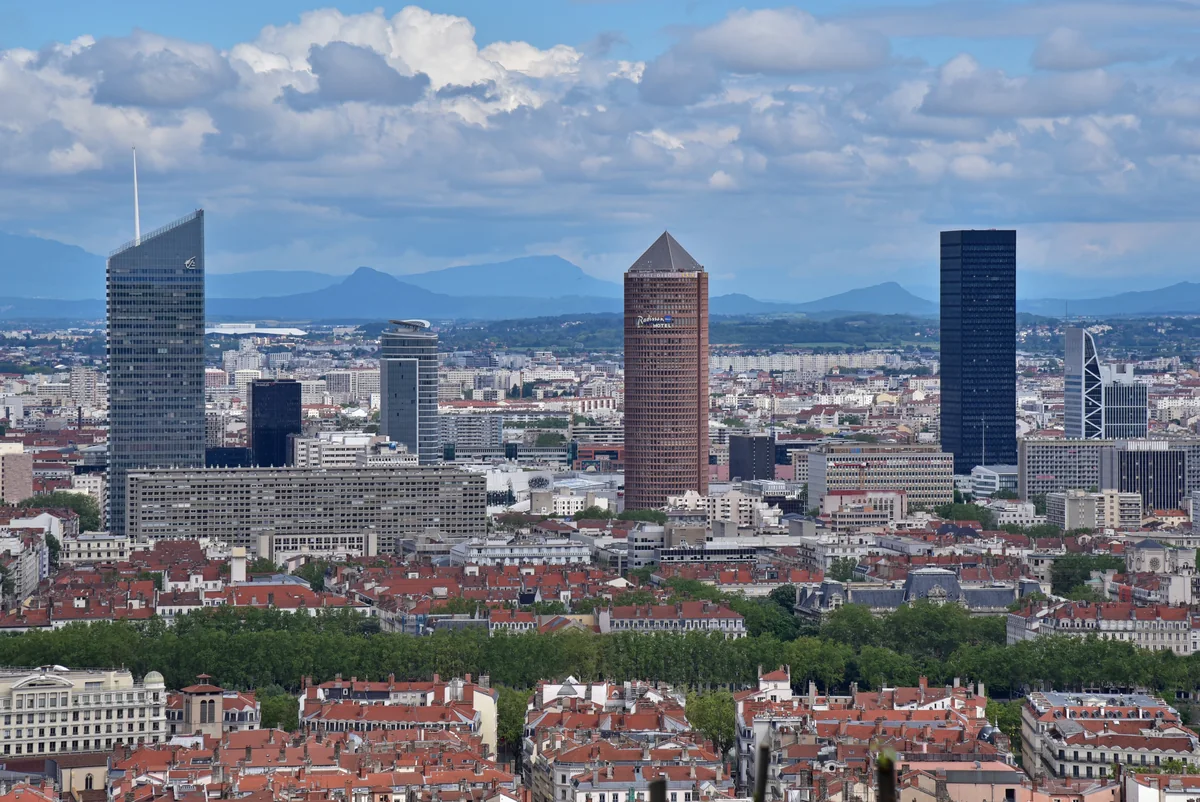
France has a cultural life that extends well beyond the capital, and anyone who reduces it to Paris is missing most of what makes the country interesting. Lyon, Marseille, Bordeaux, Nantes, Strasbourg, Lille, and Toulouse each carry their own cultural identity, events calendar, and distinct way of spending an evening. French cultural policy has long supported regional arts institutions, which means the quality of what is on offer outside Paris is genuinely high and often more accessible in terms of cost and crowd size.
Live Music
France's music scene is broad and genuinely varied. Paris has a long-standing international reputation for electronic and dance music, with club and concert venues that consistently attract major artists from around the world. The jazz tradition runs deep in French cultural life, with dedicated festivals and clubs in multiple cities that have been running for decades. Regional music scenes vary considerably in character: Brittany maintains a strong folk and traditional music identity rooted in Celtic heritage, Lyon and Toulouse both sustain active rock, pop, and world music circuits, and Marseille has produced some of the most significant hip-hop in the French-speaking world. The chanson tradition, associated with the great singer-songwriters of the mid-20th century, still has an active contemporary scene in smaller venues and cultural centers.
Nightlife
French nightlife is more varied and more active than its reputation outside France suggests. Paris has a world-class club scene that runs consistently year-round, concentrated in areas like Pigalle, Oberkampf, and the Canal Saint-Martin neighbourhood. The electronic music scene is particularly strong, with Parisian DJs and venues contributing significantly to the development of contemporary house and techno. Outside Paris, nightlife is more seasonal in character, with outdoor venues and cultural festivals concentrating activity through spring and summer, and indoor clubs and bars maintaining the calendar through the colder months. Wine bars, cocktail bars, and terraces that stay open late are central to French social life in a way that is different from the club-first model of cities like London or Berlin.
Culture and the Arts
France invests significantly in public cultural institutions, and the results are visible in the quality and accessibility of what is on offer. Theatre, opera, contemporary dance, and classical music all receive direct state funding, which keeps ticket prices lower and programming more adventurous than purely commercial models would support. The French cinema tradition is among the strongest in the world; art house screens in most cities show domestic and international films with subtitles, and the French public takes cinema seriously as a cultural practice. Contemporary art, sculpture, photography, and installation work are supported by a network of regional art centers that run programs beyond the major museums. Cultural centers and maisons de la culture carry arts programming into communities across the country throughout the year.
Food, Wine, and Markets
French gastronomy is not a cliche; it is a genuinely living culture that shapes daily life in ways that are visible in every town and village. Open-air food markets run at least once a week in most French towns, and they function as social events as much as commercial ones. Regional specialities shift dramatically across the country: Alsatian charcuterie and tarte flambee, Burgundian wine cuisine and boeuf bourguignon, the olive oil and tomato cooking of Provence, the galettes and cidre of Brittany, and the cassoulet of the southwest are each distinct enough to constitute separate culinary traditions. Wine culture is regional and celebratory, with harvest periods drawing visitors to wine-producing areas across autumn. The growing natural wine movement has added a new dimension to wine culture in Paris and other cities, with dedicated bars and cellars drawing informed and curious drinkers.
Sport and Outdoor Life
France's geography makes it one of the most varied countries in Europe for outdoor activity. The Alps and Pyrenees support skiing from late autumn through to spring, with resorts that range from large purpose-built stations to smaller village-based alternatives. Coastal walking paths along the Atlantic and Mediterranean coasts, river cycling routes through the Loire Valley and Burgundy, and vineyard trails in wine-producing regions make outdoor exploration by foot and bike genuinely rewarding. Football is the dominant spectator sport, with Ligue 1 clubs in most major cities attracting regular crowds. Rugby union has a strong national following, particularly in the southwest where clubs like Toulouse, Bordeaux, and Bayonne draw deeply loyal local support. Tennis, cycling, and athletics all carry large national audiences tied to a tradition of French excellence in each.
Festivals and Events
France's summer festival calendar is one of the most active in Europe. Open-air music events, regional dance and folk celebrations, gastronomy weekends, film festivals on the Cote d'Azur, and arts events in historic town squares draw both domestic and international visitors through spring and into early autumn. The smaller towns and rural regions are often more rewarding for festival-going than the major cities, offering genuine local character alongside the performances. Bastille Day on 14 July marks the national holiday with fireworks, outdoor concerts, and military parades that turn public spaces into venues. Seasonal celebrations tied to regional harvests, saints' days, and agricultural traditions continue to anchor community life across the country throughout the year. France is also a major destination for professional and industry events. The Paris Air Show at Le Bourget, held in odd-numbered years, is the world's largest aerospace and defence industry event. MIPCOM and MIP-TV in Cannes are the most important television content markets in the world. Paris Fashion Week in February and September draws international press, buyers, and industry professionals in large numbers. Vivatech in Paris has grown into one of Europe's leading technology and startup events, and Paris regularly hosts international congresses across medical, scientific, and professional sectors.