
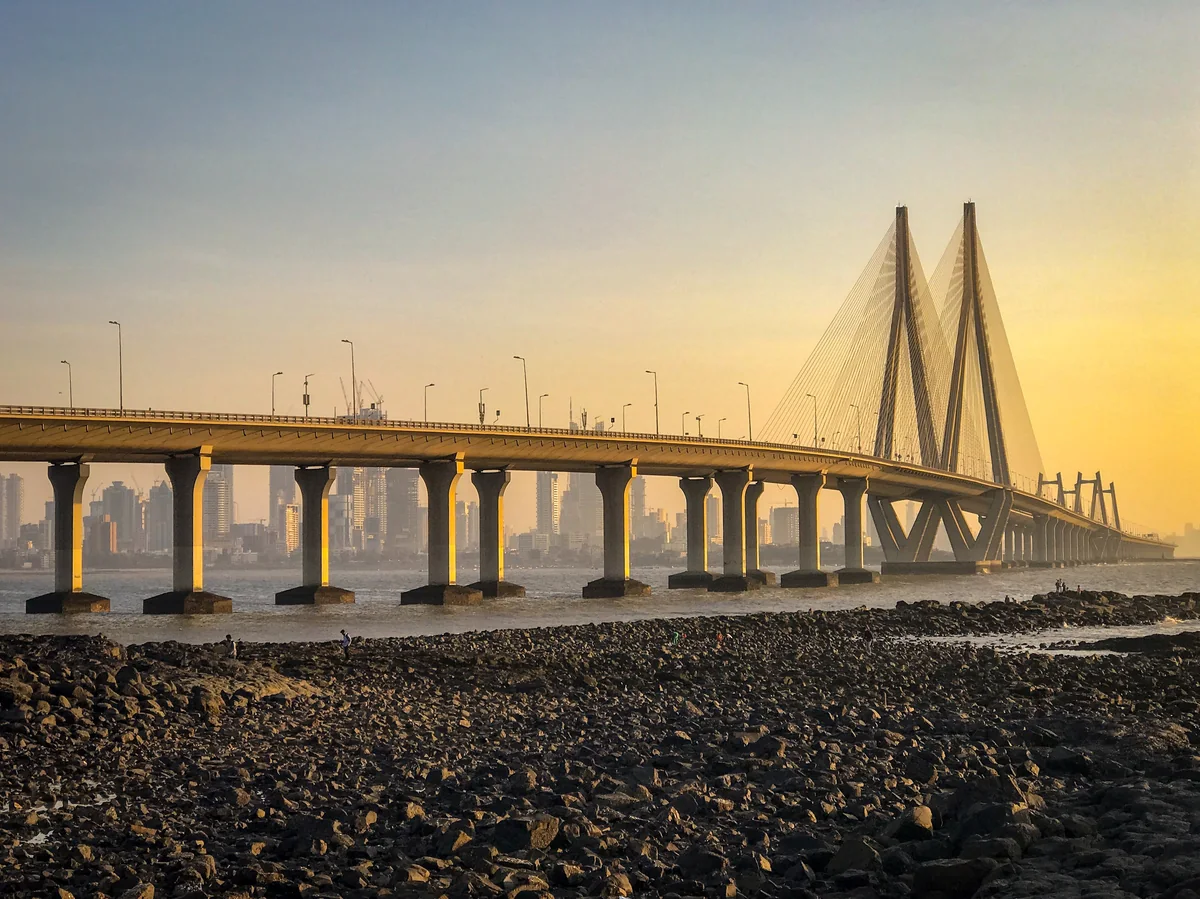
India is not one cultural experience but many simultaneously. The country's scale, linguistic diversity (hundreds of languages, twenty-two official), religious plurality, and regional variation mean that what is true of Mumbai tells you little about Chennai, and what applies in Delhi has no necessary relevance to Kolkata. What is consistent is an intensity of cultural life and a sense that events, performances, festivals, and gatherings are not supplementary to daily life but central to it. India has been producing art, music, literature, and performance of the highest quality for thousands of years, and that tradition continues in forms both ancient and thoroughly contemporary.
Music
India has two major classical music traditions, both of which represent some of the most sophisticated musical systems ever developed. Hindustani classical music, dominant in the north, is an improvised tradition built on ragas (melodic frameworks) and talas (rhythmic cycles) that can produce performances of tremendous emotional depth and technical complexity. Carnatic classical music in the south is more structured in its approach but equally demanding and rewarding for attentive listeners. Major classical music festivals in cities like Chennai (the Margazhi season in December-January is an extraordinary month-long festival of classical music and dance), Varanasi, Delhi, and Mumbai draw the best performers and the most knowledgeable audiences. Beyond the classical traditions, India has a massive popular music industry driven by film music (film songs have been the dominant form of popular music for decades), a growing independent music scene in Bangalore, Mumbai, and Delhi, and strong folk music traditions in every state.
Nightlife and Social Life
India's nightlife varies enormously by city, region, and the social context of the venue. Mumbai has the most cosmopolitan and internationally recognisable club and bar scene, concentrated in areas like Bandra, Lower Parel, and Colaba, and sustained by a population with significant international connections. Bangalore's tech economy and large student population support a particularly active bar and live music culture, with a craft beer scene that is probably the strongest in the country. Delhi has a dense concentration of clubs, bars, and restaurants in areas like Hauz Khas Village and Connaught Place. Goa's beach culture, which draws both domestic and international visitors, sustains a party scene around its northern beaches that has operated with varying intensity since the 1970s. Outside these urban centers, social life organises itself differently, around family gatherings, religious events, and community celebrations that are often far more interesting than anything in a bar.
Classical Arts and Culture
India's classical performing arts include dance forms of extraordinary beauty and technical refinement. Bharatanatyam from Tamil Nadu, Kathak from the north, Odissi from Odisha, Manipuri from the northeast, Kuchipudi from Andhra Pradesh, and Mohiniyattam from Kerala are each distinct classical dance traditions with thousands of trained practitioners and active performance cultures. Classical dance performances are an accessible and genuinely moving experience in the cities where the traditions are strongest. Theatre in India spans Sanskrit classical drama, regional folk theatre traditions (like Yakshagana in Karnataka and Tamasha in Maharashtra), and a contemporary theatre scene of real quality in Mumbai, Delhi, and other major cities. The Indian film industry, which operates simultaneously in Hindi, Tamil, Telugu, Malayalam, Bengali, and other languages, is the largest in the world by number of productions and draws audiences of hundreds of millions.
Food Culture
Indian cuisine is not a single thing but a collection of regional traditions so different from one another that they arguably constitute separate cuisines. Mughal-influenced Lucknowi biryani has nothing in common with the coconut-rich seafood curries of Kerala, which bear no resemblance to the dosa and idli breakfast culture of Tamil Nadu, which is entirely different from the street food of Mumbai or the slow-cooked lentil dishes of Rajasthan. What connects all of them is a depth of spicing, a seriousness about ingredient quality, and a conviction that feeding people well is an expression of hospitality rather than a commercial transaction. Street food culture is one of the great pleasures of any Indian city: the chaat stalls, vada pav carts, and pani puri vendors of Mumbai; the kathi rolls and mishti doi of Kolkata; the filter coffee of Chennai; the chhole bhature of Delhi. These are not tourist attractions but daily sustenance for millions.
Sport
Cricket in India is not merely a sport but a civic religion with over a billion practitioners and followers. The Board of Control for Cricket in India (BCCI) is the wealthiest cricket board in the world, and the Indian Premier League (IPL) has transformed the economics of the entire global game. Test cricket, in its five-day format, retains a deep following among the most devoted fans, but it is the IPL's Twenty20 franchise model that generates the largest domestic television audiences and the most theatrical live event experience. India's performances in World Cups and bilateral series against other major nations generate the kind of national attention that makes the streets quieter and the television viewership figures extraordinary. Kabaddi, a contact sport indigenous to South Asia, has been professionalised into the Pro Kabaddi League and draws very large television audiences. Wrestling, badminton, and athletics have all developed international competitive success through specific players who have become genuine national heroes.
Festivals
India's festival calendar is unlike any other in the world for its density, variety, and the scale of participation it generates. Diwali, the festival of lights celebrated across most of the country in October or November, involves millions of oil lamps and electric lights transforming homes, streets, and public spaces, accompanied by fireworks, sweets, and family gatherings. Holi in March involves people covering one another in colored powder in public celebrations that operate as a temporary suspension of normal social hierarchies, drawing participants from every background. Durga Puja in Kolkata is a five-day festival involving the creation of enormous temporary shrines across the city, each a public artwork competing for attention and recognition, with the city essentially becoming an open-air art exhibition. Navratri in Gujarat involves nine nights of garba and dandiya folk dancing in which hundreds of thousands participate. Religious festivals, harvest celebrations, literary festivals, film festivals, and music festivals together produce a calendar so full that there is rarely a week anywhere in the country without something significant happening.