Things To Do in Mumbai India

Discover events, experiences, and everything the city has on offer in Mumbai. Browse the full event calendar or read the guide below.

Things To Do in Mumbai

Discover events, experiences, and everything the city has on offer in Mumbai. Browse the full event calendar or read the guide below.

The City on the Sea

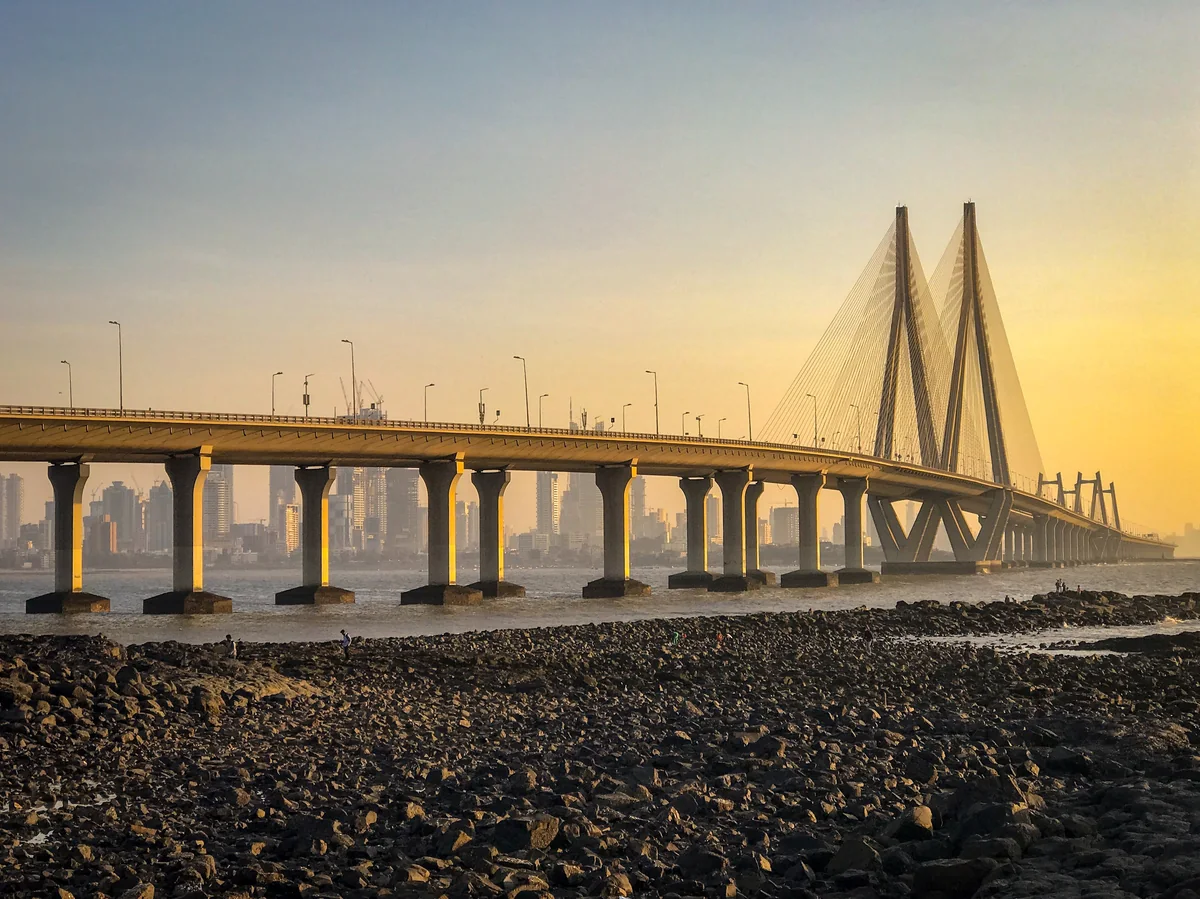
Mumbai occupies a series of islands on India's west coast, and the sea shapes its geography and its character in ways that feel unlike any other Indian city. The Marine Drive promenade curves around Back Bay in a sweep of Art Deco buildings that earned the seafront its nickname — the Queen's Necklace — from the arc of streetlights seen from Malabar Hill at night. The city breathes differently near the water, and the early morning and evening crowds along the seafront are one of the most genuinely democratic public spaces in India.

Architecture and History

Mumbai has one of the most significant collections of Victorian and Art Deco architecture in the world, now collectively recognised by UNESCO. The Chhatrapati Shivaji Maharaj Terminus — a Gothic railway station that is simultaneously a working commuter hub for millions — is the most photographed building in the city, and rightly so. The Art Deco apartment blocks and cinemas of the Marine Drive-Oval Maidan area represent a second, mid-20th-century wave of ambitious design. Both districts are best seen on foot, with a guide or a good architectural map.

Food Culture

Mumbai's food culture is a daily performance of extraordinary variety. The vada pav — a spiced potato fritter in a bread roll — is the city's most democratic food, available at street corners across every neighbourhood. The Irani cafés, Persian-influenced institutions that have been serving bun maska and chai since the early 20th century, are disappearing slowly and should be visited while they remain. The city also has a serious fine-dining scene rooted in the diversity of its population, from Parsi dhansak to Maharashtrian seafood to the Mughal-influenced cooking of the Muslim neighbourhoods around Mohammed Ali Road.

Film and Entertainment

Mumbai is the center of the Indian film industry, producing more feature films annually than any other city in the world. The industry's presence is woven into the fabric of city life — in the film set tours available in the western suburbs, the cinema halls that screen new releases to packed houses within hours of opening, and the culture of celebrity that makes certain restaurants and neighbourhoods feel permanently poised for a sighting. The city's theatre scene, based in the Prithvi Theatre complex and a cluster of independent venues, runs year-round in Hindi, Marathi, and English.

Nightlife and the Arts

Mumbai has the most active nightlife of any Indian city, concentrated in the Bandra, Juhu, and Lower Parel areas. The city's clubs and live music venues run seven nights a week, and the combination of a large young professional population, a significant film and music industry, and a general appetite for late evenings creates a nightlife ecosystem of real depth. The gallery scene in the Kala Ghoda arts district and the annual Kala Ghoda Arts Festival, held in February, bring together visual art, performing arts, and food in a heritage neighbourhood that has earned its reputation.

Heritage, Conservation and the Urban Fabric

Mumbai's built heritage is unusually diverse for an Indian city, combining the Victorian Gothic public buildings of the Fort district with the Art Deco residential and commercial blocks of Marine Drive and the colonial bungalows of Malabar Hill to create an architectural record of two centuries of development that has been collectively recognised by UNESCO. The Kala Ghoda precinct, named for the black equestrian statue that once stood at its center, has been developed into the city's most concentrated cultural district, with art galleries, cafés, and the biennial Kala Ghoda Arts Festival converting a cluster of colonial buildings into a platform for contemporary Indian art. The Elephanta Caves on an island an hour by ferry from the Gateway of India, a UNESCO World Heritage Site, contain rock-cut temples dedicated to Shiva that were carved between the 5th and 8th centuries and represent one of the finest surviving examples of classical Indian sculpture. The Dharavi neighbourhood, one of the largest urban settlements in Asia, is the subject of persistent redevelopment proposals that have generated international debate about the rights of urban communities and the meaning of heritage in a rapidly changing city. The city's relationship with its own past is contested and alive in a way that makes it one of the most intellectually engaging urban environments in South Asia. The Bandstand and Carter Road promenades in Bandra, the Juhu beach front, and the seafacing walkway of Marine Drive offer three completely different versions of the city's relationship with the Arabian Sea, from the residential and celebrity-adjacent character of Bandra to the democratic sweep of Marine Drive where every stratum of Mumbai society uses the same pavement at the same time. The Elephanta Festival of Dance and Music, held at the UNESCO-listed cave temples on Elephanta Island each February, is one of the most unusually sited classical arts festivals in the world, presenting Indian classical dance and music against the backdrop of 6th-century rock-cut sculpture in a setting available nowhere else. The Chor Bazaar in Bhendi Bazaar, a flea market of extraordinary density and variety, has been trading in antiques, salvage, and obscure goods for over a century.

More Cities in India
Ready to find events in Mumbai?

Browse concerts, club nights, festivals, cultural events, and more. Book directly with the organizer.

Running an event in Mumbai? Create a free listing
Browse Events in Mumbai