
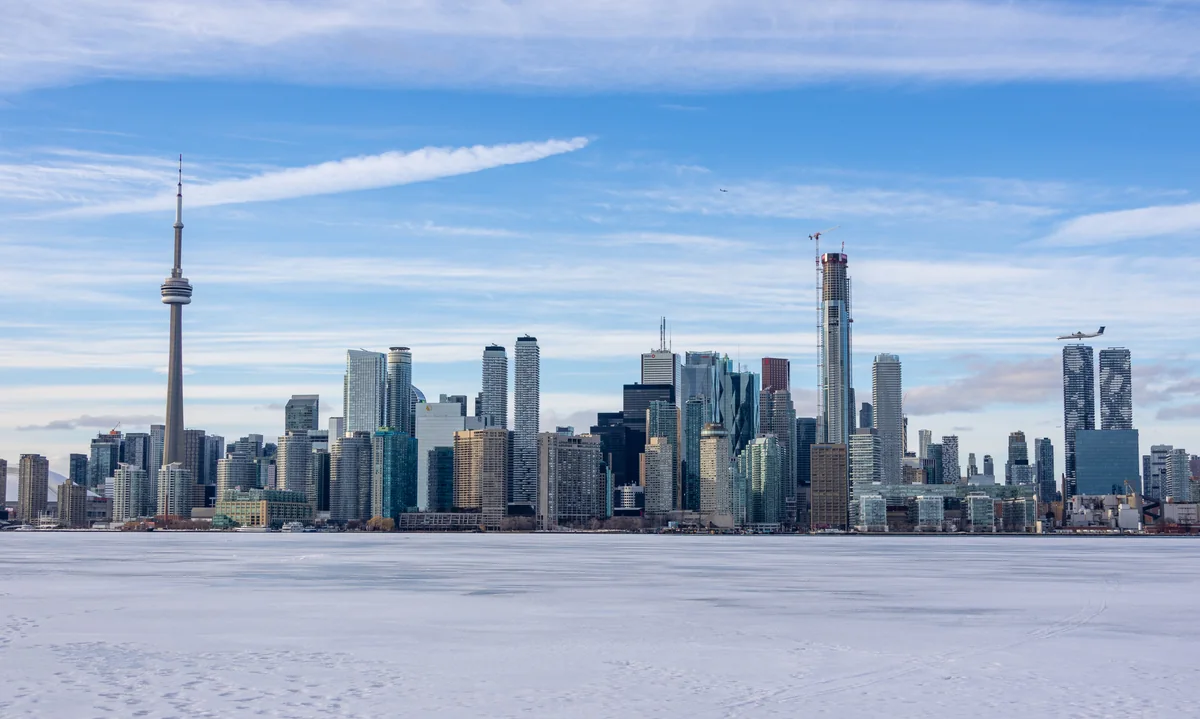
Canada is a country of significant regional variation, and that variation shapes its cultural life in ways that make it genuinely interesting to explore city by city. Toronto, Montreal, Vancouver, Calgary, and Ottawa are each distinct enough in character, language, and cultural emphasis that arriving in one tells you relatively little about what the others are like. The country's geography, multiculturalism, and bilingual character produce a cultural calendar that draws on Indigenous traditions, French and English heritage, and contributions from communities representing almost every part of the world.
Live Music
Canada has produced a remarkable number of internationally significant musicians relative to its population, and the live scene reflects that creative depth. Toronto has one of the strongest venue circuits in North America, supporting local artists across every genre from hip-hop and R&B to folk, jazz, and electronic music. Montreal is bilingual in its cultural life as in everything else, with a particularly strong tradition in indie rock, electronic music, and jazz that has built an international reputation over several decades. The Montreal Jazz Festival is one of the largest jazz festivals in the world and draws performers and audiences from across the globe. Vancouver has a well-developed alternative and indie scene shaped partly by its proximity to Seattle and partly by its own distinct creative community. Halifax has historically punched above its weight in producing original folk and rock artists. The country's Indigenous music traditions, including powwow drumming and contemporary Indigenous pop and country, are increasingly present in mainstream cultural spaces.
Nightlife
Canadian nightlife reflects the country's multicultural character and its regional differences. Montreal has the most active and internationally recognised late-night culture of any Canadian city: later licensing hours than most of the country, a high density of bars, clubs, and live music rooms in neighbourhoods like the Plateau and Mile End, and a general attitude toward nightlife that owes something to the city's French inheritance. Toronto's Entertainment District, Kensington Market, and Queen Street West each support active bar and club scenes. Vancouver's Gastown and Granville Street provide the principal nightlife geography, with a craft beer culture that is among the strongest in the country. Calgary and Edmonton both have active scenes tied to their younger populations and oil economy demographics.
Culture and the Arts
Canada's arts sector is publicly supported and geographically distributed in a way that means cultural institutions of real quality exist well beyond the major cities. The Toronto International Film Festival (TIFF) is one of the most important film festivals in the world, functioning as a major market and launching pad for awards-season films every September. The National Gallery in Ottawa and the Art Gallery of Ontario in Toronto both hold significant collections. Contemporary Indigenous art is increasingly central to how Canada presents its cultural identity, with major institutions actively acquiring and programming Indigenous work. Theatre, dance, comedy, and literary events are supported by federal and provincial arts councils in all ten provinces, keeping the range of programming available considerably broader than a purely commercial model would sustain.
Food and Drink
Canadian food culture has changed substantially in the past two decades, moving well beyond its historical reputation and developing a genuinely interesting regional character. The Atlantic provinces offer some of the finest seafood on the continent, from Nova Scotia lobster to Prince Edward Island oysters. Quebec's food culture draws on French tradition while developing its own identity through dishes like poutine, tourtiere, and a natural wine scene centered on Montreal. British Columbia's Pacific produce, including wild salmon, Dungeness crab, and an exceptional range of fruit and vegetables from the Okanagan Valley, supports a restaurant culture in Vancouver that is consistently impressive. Ontario's wine region around Niagara produces ice wine of international quality. Craft beer has become a major cultural and economic force in every province, with independent breweries and taprooms now operating in most cities and many smaller towns.
Sport
Ice hockey is not merely Canada's national sport; it is a cultural institution that organises large parts of social life from October through to June. The NHL is played in seven Canadian cities, and the intensity of support around playoff hockey in particular has no close parallel in other sports contexts in the country. The Canadian Football League (CFL) has nine teams and a loyal following that is distinct from NFL fandom, with the Grey Cup final functioning as a genuinely national celebration. Basketball has grown enormously in cultural significance since the Toronto Raptors' 2019 championship. Curling, often treated as a curiosity abroad, has a committed competitive and recreational following across the country. Outdoor activities including skiing, snowboarding, hiking, kayaking, and cycling are embedded in Canadian leisure culture in ways that generate a substantial events calendar around endurance sport, adventure racing, and seasonal outdoor festivals.
Festivals and Events
Canada's festival calendar is shaped by both its seasons and its multiculturalism. The Calgary Stampede, a ten-day rodeo and exhibition running every July, is one of the largest outdoor shows in the world and functions as much as a cultural event as a sporting one. The Montreal Jazz Festival and Toronto's TIFF are internationally significant events that draw audiences from well outside Canada. Ottawa's Winterlude makes a virtue of the Canadian winter with ice sculptures, skating, and outdoor events in February. Pride festivals in Toronto, Vancouver, and Montreal are among the largest in the world. Cultural festivals tied to the country's immigrant communities run throughout the year across all major cities, celebrating Caribbean, South Asian, Indigenous, Chinese, and dozens of other cultural traditions. Canada's professional events calendar has grown with its technology sector. Collision, one of North America's fastest-growing technology conferences, is based in Toronto and attracts major international speakers and startup investment. TIFF operates as a film industry trade event as much as a public festival, with buyers, distributors, and studio representatives making acquisition decisions during the festival period. Vancouver and Montreal are both significant destinations for the games and digital media industry, hosting annual events that draw international professionals. Ottawa hosts major conferences in government technology and policy.