Architecture, Public Space and the Changing Waterfront
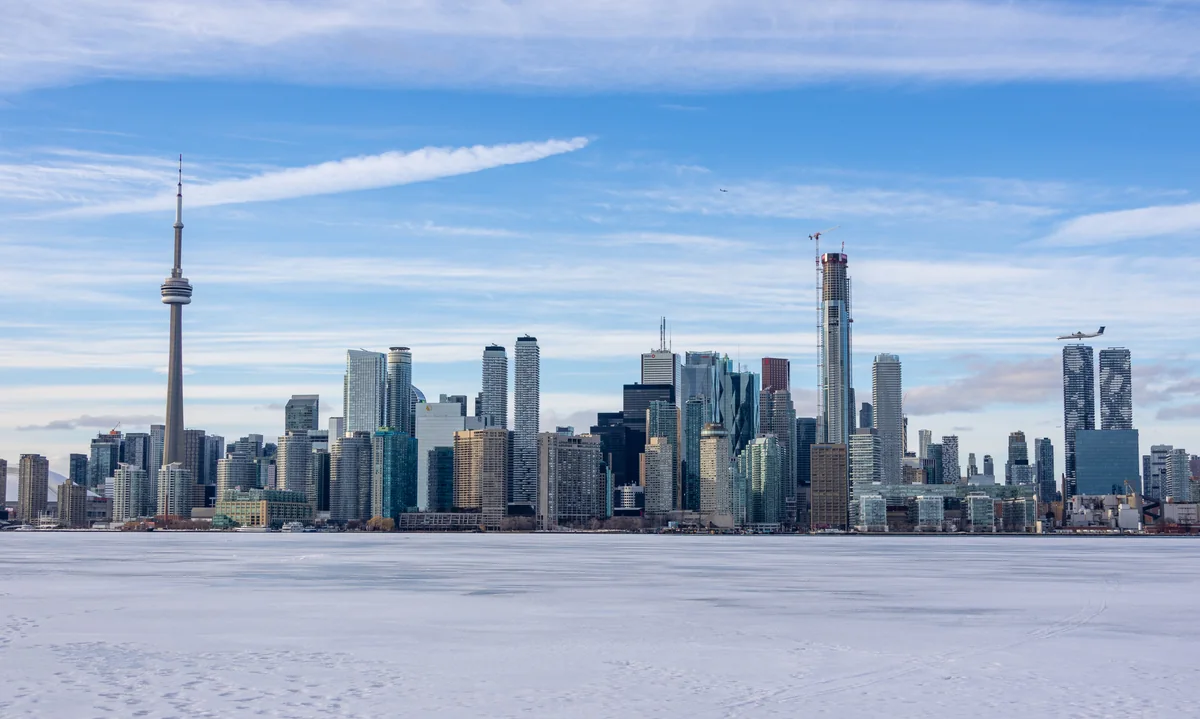
Toronto has invested significantly in its public realm and architectural ambition over the past two decades, and the results are most visible on the waterfront, where the former industrial port lands are being transformed into a new mixed-use district at a scale and pace that has made it one of the most discussed urban development projects in North America. The Bentway, a linear park and public space built under the elevated Gardiner Expressway, operates as an outdoor performance venue, skating rink, and community space in what was previously dead infrastructure. The CN Tower, at 553 metres once the world's tallest free-standing structure, defines the downtown skyline and houses a revolving restaurant and glass floor observation deck that give the most complete aerial view of the city available from any accessible structure. The PATH system, an underground network of tunnels connecting over 30 kilometres of shopping, food, and transit infrastructure beneath the downtown core, is the largest underground shopping complex in the world and a genuinely useful pedestrian network for the city's office workers in winter. The Distillery District, a restored Victorian industrial complex in the east end that now houses galleries, restaurants, and studios in the most complete surviving collection of Victorian industrial architecture in North America, hosts the annual Toronto Christmas Market, one of the most attended seasonal events in the city. The Evergreen Brick Works, a former industrial quarry and brickyard north of the city center converted into an environmental and community center, hosts one of the best farmers' markets in the city on Saturday mornings and is the most visible example of Toronto's approach to industrial heritage as a public asset. The network of ravines running through the city, some 300 kilometres of natural valleys cutting through the urban fabric, forms the most distinctive natural feature of a city that is otherwise flat and grid-planned, and the trails within them are used year-round by walkers and cyclists who treat them as a parallel green city within the built one.