
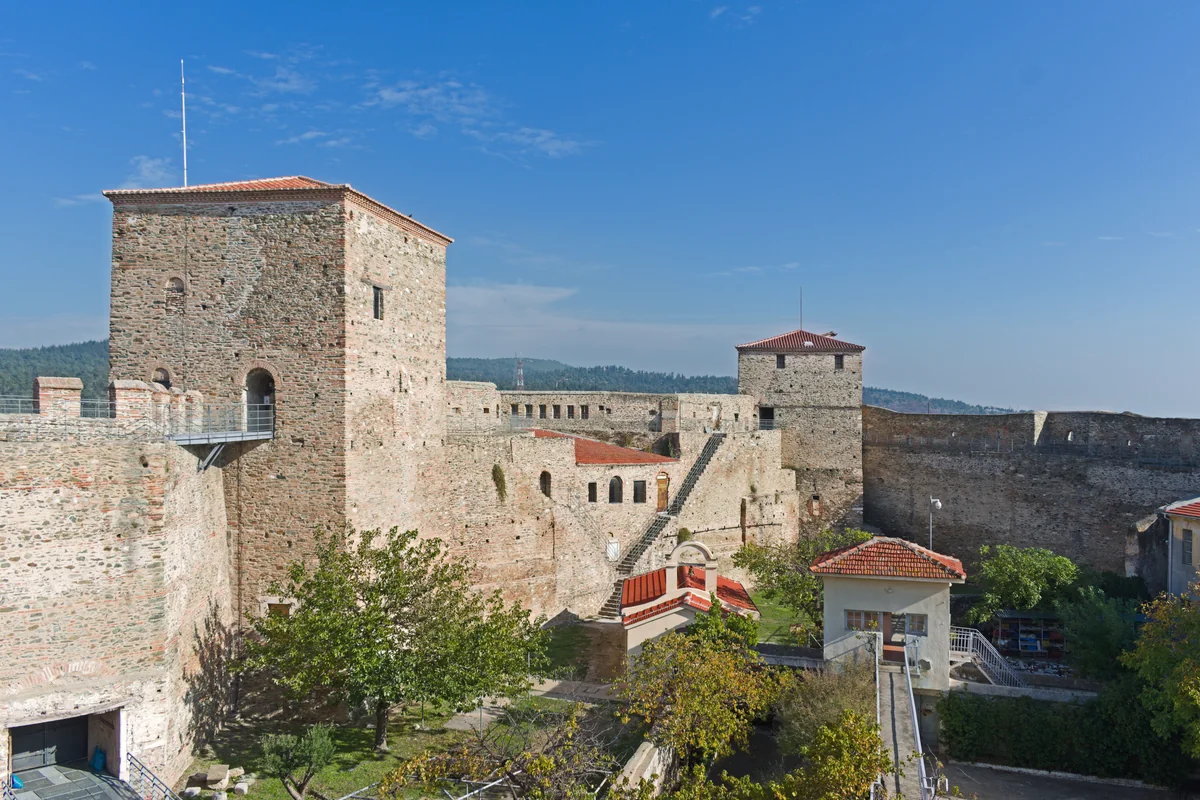
Greece carries one of the heaviest cultural inheritances in the world: the foundations of Western philosophy, theatre, democracy, and the Olympic Games were all laid in Greek soil, and living with that weight is a distinctive condition of Greek cultural life. Athens is a city of extraordinary archaeological density where the Acropolis sits above a living, breathing metropolis of four million people. Thessaloniki, the second city, has a distinct character shaped by its Ottoman and Byzantine heritage and a cultural life that many Greeks consider more genuine than the capital's. The islands, from the Cyclades through the Dodecanese to Crete, each offer experiences shaped by their particular geography and history.
Music
Greek music carries the memory of two distinct but related traditions. Rebetiko, often described as the Greek blues, emerged from the urban poor of Piraeus and Thessaloniki in the early 20th century and carries a quality of melancholy and defiance that connects it to the existential traditions of jazz and flamenco. Laika (popular music) developed from rebetiko roots and produced artists of enormous domestic significance including Stelios Kazantzidis and Grigoris Bithikotsis. Contemporary Greek pop music, while commercially dominant, exists alongside a serious singer-songwriter tradition and an active folk and traditional music scene. Athens and Thessaloniki both have active live music scenes, with particular strength in rock, electronic, and the traditional forms. The summer season brings outdoor concerts to archaeological sites including the Odeon of Herodes Atticus beneath the Acropolis, one of the most atmospheric concert venues in the world.
Nightlife
Greek nightlife operates on a schedule that makes Spanish nightlife look early: dinner typically begins at ten or eleven, drinks follow at midnight, and clubs open properly after 2am, continuing until sunrise. This rhythm, which would be disorienting for visitors accustomed to northern European patterns, is simply how Athenian social life works. Athens's Gazi neighbourhood has long been the primary nightlife area, with clubs and bars in converted gas factory buildings. Psirri and Monastiraki Square have a more varied and accessible character. The islands during summer operate their own nightlife economies: Mykonos and Ios are particularly known for clubs and beach parties that run continuously through the high season. Thessaloniki has a nightlife culture that locals consider more authentic than Athens, concentrated in the Ladadika neighbourhood and the streets around the central market.
Antiquity, Culture, and Theatre
Engaging with Greece's ancient heritage is unavoidable and genuinely rewarding. The Acropolis in Athens, particularly the Parthenon, is one of the most significant architectural achievements in history, and the Acropolis Museum at its base, opened in 2009, provides context for understanding what the ancient complex meant and contains original sculptural fragments that give the site a living rather than merely monumental character. The National Archaeological Museum in Athens holds the finest collection of ancient Greek art in the world. Delphi, the sanctuary of Apollo and site of the ancient Oracle, sits in a mountain landscape of extraordinary beauty. Olympia, where the ancient Olympic Games were held, and Epidaurus, with its perfectly preserved ancient theatre still used for performances, are both worth visits. The tradition of performing ancient theatre in ancient theatres, which continues across Greece every summer, is one of the most direct available connections to the origins of Western dramatic tradition.
Food and Drink
Greek food culture is built on principles of freshness, simplicity, and the quality of specific ingredients: olive oil, feta, honey, seafood, lamb, and seasonal vegetables produced in particular microclimates. The mezedes tradition, in which small dishes are ordered and shared progressively over the course of a long meal, is one of the most sociable and pleasurable ways of eating. Taramosalata (fish roe dip), tzatziki (yoghurt and cucumber), horiatiki (Greek salad), grilled octopus, and fresh fish simply grilled and eaten at a table beside the sea represent a cuisine at its best when ingredients and setting combine. The wine revival in Greece has produced wines of international quality from indigenous grape varieties: Assyrtiko from Santorini, with its mineral quality shaped by the volcanic soil, has developed an international reputation. Greek honey, particularly thyme honey from the mountains, is among the finest in the world.
Sport and Outdoor Life
Greece is the origin of the Olympic Games, and that heritage is taken seriously as both cultural heritage and sporting identity. The first modern Olympic Games were held in Athens in 1896, and Greece hosted the games again in 2004 to widespread success. Football is the dominant spectator sport: the rivalry between Olympiacos and Panathinaikos in Athens and PAOK and Aris in Thessaloniki generates intense and sometimes heated local passion. The Greek national football team's victory at UEFA Euro 2004, achieved as 150-1 outsiders with a defensive and disciplined approach under coach Otto Rehhagel, remains one of the most remarkable upsets in international football history. Basketball has a strong following and has produced internationally significant players. The Greek landscape, from the mountains of the north through the islands to the Cretan interior, supports hiking, sailing, and outdoor activity of exceptional quality.
Festivals and Celebrations
Greece's festival calendar is anchored by the Orthodox Christian calendar, which runs on a different cycle from Western Christianity and gives the year a different rhythm of celebrations. Easter in Greece is the most important religious and social event of the year, celebrated with midnight candlelit processions, the cracking of red eggs, and the lamb feast on Easter Sunday that brings families together in a tradition observed across the whole country. Name days (the feast day of the saint after whom a person is named) are celebrated as seriously as birthdays and involve open house gatherings and visits. The Athens and Epidaurus Festival programs performances in ancient theatres and other venues across Athens and the ancient theatre at Epidaurus through the summer months. Thessaloniki International Film Festival in November is a significant event in the European film calendar. The carnival in Patras is the largest in Greece and draws large crowds for weeks before Lent.