Things To Do in Thessaloniki Greece

Discover events, experiences, and everything the city has on offer in Thessaloniki. Browse the full event calendar or read the guide below.

Things To Do in Thessaloniki

Discover events, experiences, and everything the city has on offer in Thessaloniki. Browse the full event calendar or read the guide below.

Byzantine Heritage and the City's Character

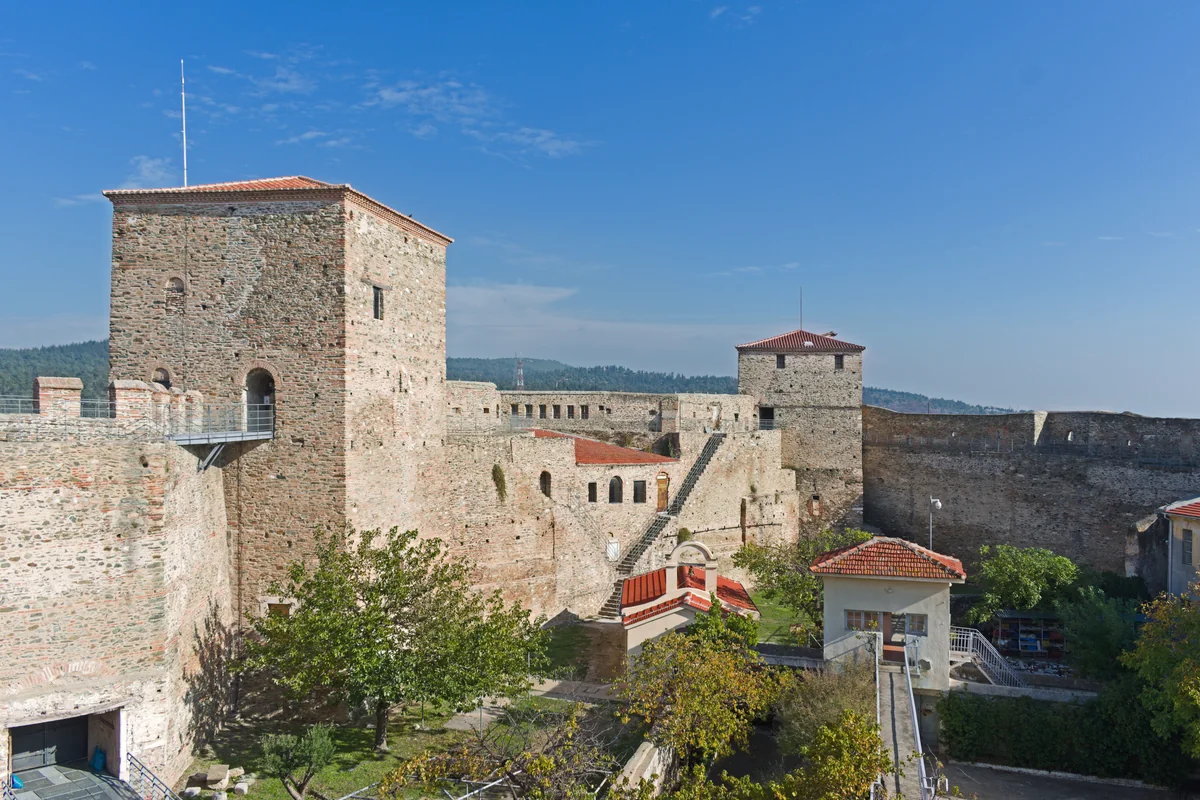
Thessaloniki carries more layers of history than almost any city in Europe: Greek, Roman, Byzantine, Jewish, and Ottoman cultures have each left physical traces that coexist within the same urban fabric. The Byzantine walls, the Rotunda (a Roman mausoleum that became in turn a church and then a mosque), and the Arch of Galerius form one of the most intact late-Roman urban landscapes surviving in the eastern Mediterranean. The Museum of Byzantine Culture holds the most significant collection of Byzantine art in Greece outside Athens, covering centuries of an empire for which this city was its western gateway and second city. The White Tower on the waterfront, built during the Ottoman period and now a city history museum, has become Thessaloniki's most recognised symbol.

Food, Markets and Greece's Gastronomic Capital

Thessaloniki is widely regarded within Greece as having the finest food culture of any Greek city, a claim supported by the density and originality of its restaurants and the specific character of a cuisine that reflects its multicultural history. The Sephardic Jewish community, who were a major presence in the city from the fifteenth century until the Second World War, contributed dishes including filled pastries and vegetable preparations that remain part of Thessaloniki's food identity long after the community itself was largely destroyed. The Ottoman legacy is present in the borek pastry tradition, spice vendor culture, and souvlaki variations specific to the city. The Kapani and Modiano covered markets are the primary food destinations, and Thessaloniki's breakfast culture, centered on sesame koulouri rings and bougatsa custard pastries, is unlike anywhere else in Greece.

Port, Trade and Regional Commerce

Thessaloniki is the economic capital of northern Greece and the gateway between the Greek economy and the wider Balkans, a geographical position that gives it a specific commercial character built around transit trade, distribution, and regional logistics. The Thessaloniki International Fair, held annually in September since 1926, is the oldest and most significant trade fair in Greece and the occasion on which the Prime Minister traditionally delivers the government's principal economic policy speech of the autumn, giving the event political significance alongside its commercial one. The city's port is one of the most active in the Eastern Mediterranean and handles cargo from across south-eastern Europe.

Festivals, Film and Cultural Life

The Thessaloniki International Film Festival in November is the most important film event in Greece and one of the leading film festivals in south-eastern Europe, with a history running back to 1960 and a programming philosophy that consistently champions cinema from the Balkans, Turkey, and the Arab world. The Thessaloniki Documentary Festival in March is one of the world's leading dedicated documentary events. The Demetria Cultural Festival in October, celebrating the city's patron saint, encompasses art, theatre, concerts, and public programming across the entire month, filling the city's venues with a breadth of work that reflects Thessaloniki's genuine cultural ambition.

Nightlife, Music and the Energy of the Second City

Thessaloniki has a nightlife culture that is generally regarded within Greece as more authentic and less self-conscious than Athens, and the city's bars, live music venues, and clubs operate at a quality and density that far exceeds what its population size would predict. The Ladadika district, a cluster of former olive-oil warehouses near the port converted into bars and restaurants in the 1990s, was one of the earliest urban regeneration nightlife projects in Greece and remains one of the most atmospheric places to eat and drink in the city. The music scene, rooted in the city's historical association with rebetiko, the urban blues of the Greek refugee populations who arrived from Anatolia in the 1920s, has produced musicians and composers whose influence on Greek popular music is disproportionate to the city's size. Live music of all kinds, from traditional Greek forms to jazz and electronic music, operates year-round in venues scattered across the city center and the Ano Poli (Upper Town). The student population of the Aristotle University of Thessaloniki, the largest university in Greece and the Balkans, gives the city a permanent youthful energy and an appetite for cultural activity that sustains the full range of what the city offers throughout the academic year. The Thessaloniki Concert Hall (Megaro Mousikis) is the primary classical music venue for the city and the region, hosting the Thessaloniki Symphony Orchestra and a year-round program of visiting orchestras and soloists that sustains a concert life of genuine quality in the country's second city. The Ano Poli, the upper town preserved largely intact from the Ottoman period with its wooden-balconied houses, Byzantine churches, and winding streets above the modern city grid, offers a view of Thessaloniki that the waterfront promenade cannot provide and a direct encounter with the city's pre-modern urban fabric. The Bit Bazaar, a cluster of converted industrial spaces in the Ladadika area housing record shops, vintage clothing stalls, and independent cafes operating at weekends, is the most concentrated expression of Thessaloniki's alternative commercial culture. The city's cafe culture operates at a pace and social density that reflects the Mediterranean tradition of extended public sociability: the Aristotelous Square terraces, the Nea Paralia waterfront promenade extending six kilometres east of the White Tower, and the rooftop bars of the Ladadika district are used at hours and with an intensity of social interaction that distinguishes Thessaloniki's public life from the more privatised leisure culture of northern European cities.

More Cities in Greece
Ready to find events in Thessaloniki?

Browse concerts, club nights, festivals, cultural events, and more. Book directly with the organizer.

Running an event in Thessaloniki? Create a free listing
Browse Events in Thessaloniki