
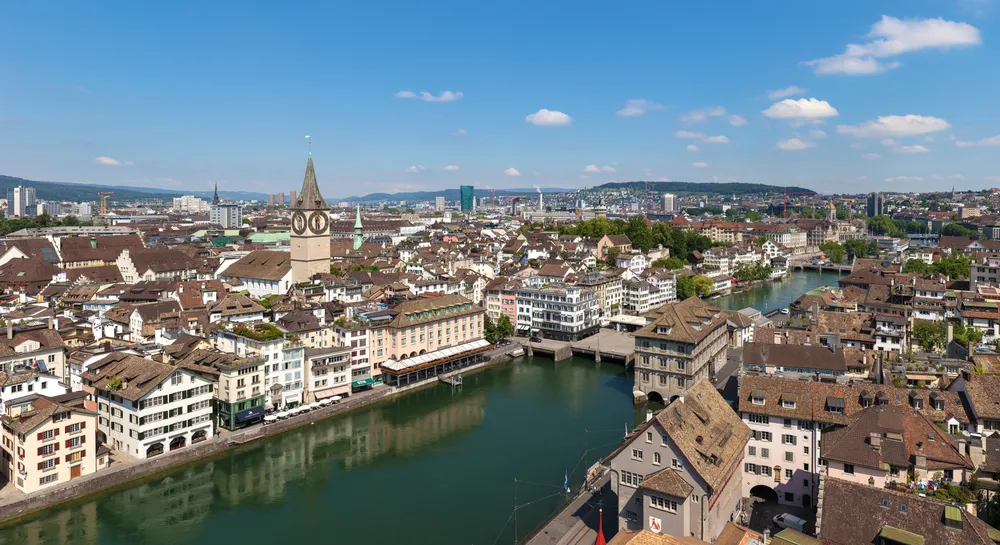
Switzerland is a country of four official languages and corresponding cultural regions that create an unusual national complexity: German-speaking Switzerland around Zurich and Bern has a different character from French-speaking Romandy around Geneva and Lausanne, which differs again from Italian-speaking Ticino. This complexity produces a cultural life that cannot be summarised as a single entity. What connects the regions is a seriousness about quality, a high standard of public infrastructure, and access to a natural landscape that is genuinely exceptional in European terms.
Live Music
Switzerland's most internationally significant contribution to live music culture is the Montreux Jazz Festival, held every July on the shores of Lake Geneva. Founded in 1967, it has hosted an extraordinary roster of jazz, blues, soul, and popular music artists across its fifty-plus years, and the archive recordings it has assembled represent a significant historical document of 20th-century music. The festival continues to program with range and quality, drawing audiences from across Europe and internationally. Beyond Montreux, Zurich has a strong rock, pop, and electronic music scene centered around a number of well-established venues in the Zurich West industrial quarter. The Zurich Street Parade, held in August, is one of the largest electronic dance music events in the world, drawing over a million participants for a techno parade through the city center. Geneva and Basel both have active concert and club scenes.
Nightlife
Swiss nightlife is expensive by almost any European standard but active and varied in the major cities. Zurich's Zurich West district, built around converted industrial buildings including the Schiffbau theatre and various club venues, is the most interesting nightlife area in the country, combining arts institutions with clubs and bars in a former industrial zone. The Langstrasse area, historically associated with the red-light district and now home to a more varied bar and restaurant culture, provides an alternative character. Geneva's nightlife is concentrated in the Carouge neighbourhood, a village-within-the-city that maintains an Italian atmosphere and a dense concentration of bars and restaurants. Basel's nightlife benefits from its position at the meeting point of three countries, with a youthful and international character.
Art, Design, and Culture
Switzerland is home to Art Basel, the most important contemporary art fair in the world. Held every June in Basel, it draws the world's most significant galleries, collectors, and curators for a week that sets the tone for the international art market and generates enormous cultural and commercial activity in the city. The Kunsthaus Zurich is one of the most significant art museums in the German-speaking world, with a collection that spans Swiss art, German Expressionism, French Impressionism, and a significant body of modern and contemporary work. The Kunstmuseum Basel and the Foundation Beyeler both hold collections of major international quality. Swiss design, associated with the International Typographic Style that emerged from Basel and Zurich in the mid-20th century, has had a global influence on graphic design, typography, and visual communication.
Food and Drink
Swiss food culture reflects the country's regional divisions. Fondue and raclette, the cheese dishes associated with Switzerland internationally, are alpine winter foods with genuine local roots and are served with real skill in the mountain regions where they originated. Zurich's Zurcher Geschnetzeltes (sliced veal in cream sauce) and Bernese Platte (a mixed meat and sauerkraut dish) represent the German-speaking tradition. Ticino's food culture is distinctly Italian in character, with polenta, risotto, and grappa reflecting the region's affinities with Lombardy. Swiss chocolate, produced in a tradition that dates from the 19th century and involves a combination of milk quality, technical precision, and accumulated expertise, represents a genuine world standard. Swiss wine, produced in the Valais, Vaud, and Zurich regions, is largely consumed domestically and is of a quality that surprises most international visitors who assumed Switzerland was primarily a beer country.
Alpine Sport and Outdoor Life
Switzerland's relationship with the Alps is central to its national identity and its leisure culture. The skiing infrastructure in Switzerland, including Verbier, St Moritz, Zermatt, and Davos, represents some of the finest mountain skiing in the world, combining vertical drop, snow reliability, and village character in ways that justify the considerable cost. Cross-country skiing, ski touring, and ski mountaineering all have large followings. The Swiss summer transforms the mountains into hiking and cycling terrain: the network of marked trails, mountain huts, and cable cars that exist primarily to serve winter visitors also make summer hiking and trekking accessible at every level. Tennis has benefited from the long shadow cast by Roger Federer, and Swiss tennis infrastructure and culture are among the best in the world.
Festivals and Cultural Events
Switzerland's festival calendar is shaped by both its cultural regions and its international ambitions. The Montreux Jazz Festival and Art Basel together give the country two events that are globally significant in their respective fields. The Paleo Festival Nyon, held every July on Lake Geneva, is one of the best open-air music festivals in Europe, programming across a wide range of genres with consistent quality over six days. The Basel Fasnacht, held in the three days following Ash Wednesday, is one of the largest carnival events in Switzerland: a procession of lantern-carrying figures through the darkened streets of the old city at 4am on the Monday morning is one of the most atmospheric public events in the country. The Lucerne Festival and the Verbier Festival both draw world-class classical musicians to Switzerland in the summer months. Geneva's Escalade in December celebrates a historical victory with a costumed parade and the smashing of chocolate cauldrons. Switzerland also carries significant weight in global professional and industry events. The World Economic Forum in Davos each January gathers heads of state, chief executives, and policy makers from across the globe for a week of sessions that generate international media attention and real geopolitical decisions. Watches and Wonders Geneva is the most prestigious watch and jewellery industry fair in the world. Geneva also hosts major international congresses in medical, diplomatic, and humanitarian fields, reflecting the city's position as headquarters to dozens of global organizations including the World Health Organization and the International Red Cross.