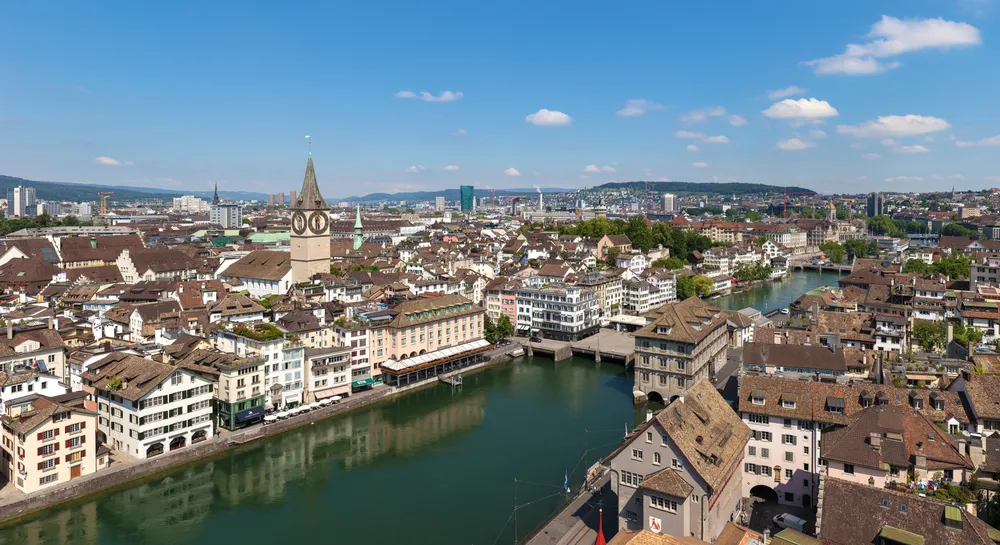
Culture, the Limmat and Life in the World's Most Liveable City
Zürich consistently occupies the top positions in global quality of life indices, and the reasons are visible in the daily functioning of the city: its public transport system, its lake and river swimming, its cultural institutions, and the density of its neighbourhood life. The Kunsthaus Zürich, following its 2021 expansion designed by David Chipperfield, is now one of the largest art museums in Switzerland, with a collection spanning medieval altarpieces through to major holdings of Alberto Giacometti, whose largest institutional collection in the world is here. The Zürich Opera House, one of the most active lyric theatres in the German-speaking world, performs across the full range of opera and ballet with productions of consistent international quality. The Landesmuseum Zürich, in a fairy-tale historicist building beside the main railway station, holds the national collection of Swiss history and cultural heritage in displays that span prehistoric artefacts, medieval reliquaries, and Alpine folk culture. The city's river and lake swimming culture, operating from a network of outdoor Badis (bathing establishments) that open in summer and serve as social spaces as much as swimming facilities, is one of the most enjoyable aspects of Zürich life and completely free of charge. The Langstrasse neighbourhood, historically the city's red-light district and now its most culturally diverse quarter, houses the densest concentration of bars, restaurants, and music venues in the city and is the most reliable area for nightlife of any kind. The Museum Rietberg, in three villas set in a park in Enge, holds the most significant collection of non-European art in Switzerland: South Asian sculpture, East Asian painting, African masks, and pre-Columbian gold work in a setting that makes the visit as much about the park and architecture as the collection. The Zürich Film Festival in September, one of the most important film festivals on the autumn European circuit, has established itself as a platform for both American awards-season titles and international art cinema in a city that takes its cultural programming seriously across every discipline. The Uetliberg, the mountain directly above the city reachable in 25 minutes by suburban train, provides panoramic views across the lake to the Alps. The Cabaret Voltaire on Spiegelgasse, where the Dada movement was founded by Hugo Ball and Emmy Hennings in February 1916, operates today as a cultural center and bar that commemorates the most influential art-historical event ever to have occurred in the city, in a neighbourhood that has retained its tradition of counter-cultural activity.