
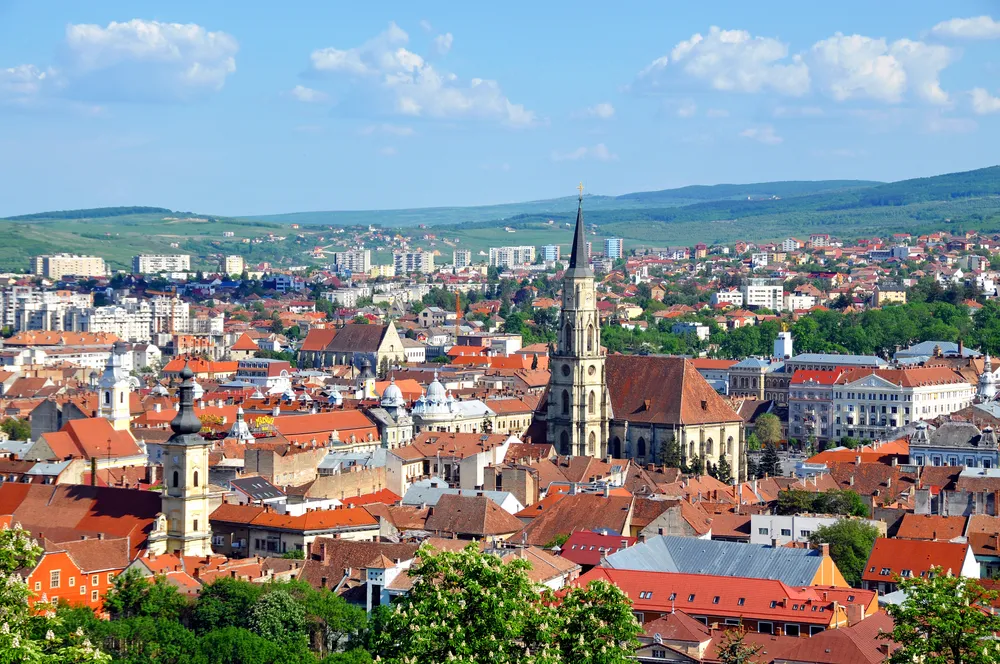
Romania is a country that has been significantly underrepresented in the consciousness of Western European travellers, and that absence of attention has allowed its cities, landscapes, and cultural life to develop without the pressures that over-tourism brings elsewhere. Bucharest is a city of genuine complexity: grand Belle Epoque boulevards running alongside communist-era apartment blocks, a nightlife scene that is among the most active in Eastern Europe, and a food and cultural culture that is discovering and celebrating its own character after decades of enforced uniformity. Cluj-Napoca, Sibiu, Timisoara, and Brasov each have distinct identities and contribute to a country worth exploring at leisure.
Music and Culture
Romania has developed a surprisingly prominent position in contemporary electronic music culture. The Untold Festival in Cluj-Napoca and the Electric Castle festival in the grounds of Banffy Castle near Cluj have both grown into internationally significant events that draw major artists and large audiences from across Europe. These are not merely local events that have grown: they compete on the same program level as established Western European festivals and have achieved recognition in international music media. Romanian electronic music producers have also achieved recognition beyond the country's borders. Beyond the electronic scene, Romania has a rich folk music tradition (doina, a form of lyrical solo music expressing longing or grief, is one of the most distinctive musical forms in the Balkans) and a classical music culture anchored by George Enescu, one of the most significant Romanian cultural figures of the 20th century.
Nightlife
Bucharest's nightlife has a reputation in Eastern Europe that is based on genuine quality and relative affordability. The Old Town area (Centrul Vechi) concentrates bars and clubs in a network of historic streets that become extremely active from Thursday through Saturday. The quality and variety of venues ranges from casual bars in historic buildings to well-equipped clubs with serious sound systems booking international DJs. The Control Club and other venues in the city have been programming quality electronic, rock, and alternative music for years with a consistency that has built loyal audiences. Cluj-Napoca's student population and the presence of the festival ecosystem have generated a nightlife culture that is active year-round. Romanian prices remain lower than in most Western European capitals, making extended evenings economically accessible.
Heritage and Landscapes
Romania's natural and architectural heritage is extraordinary in its variety and largely unexplored by international visitors. Transylvania, associated internationally with the Dracula mythology that Bram Stoker built from research about Vlad III and the Transylvanian landscape, is in reality a region of medieval Saxon towns, fortified churches, and open agricultural landscapes that have been largely spared the agricultural industrialisation that transformed comparable regions in Western Europe. Sibiu and Sighisoara are two of the best-preserved medieval towns in Europe. The painted monasteries of Bucovina in northeastern Romania, decorated with exterior frescoes dating from the 15th and 16th centuries, are UNESCO World Heritage Sites of genuine artistic significance. The Carpathian Mountains provide wildlife habitats containing some of Europe's largest populations of brown bear, wolf, and lynx, accessible through ecotourism operations of growing quality.
Food and Drink
Romanian cuisine reflects the country's agricultural richness and its position at the cultural crossroads of Central Europe, the Balkans, and the Ottoman world. Sarmale, cabbage rolls stuffed with minced pork and rice, simmered in a tomato and sauerkraut sauce, is considered the national dish and is made in every household to a family recipe that is passed down through generations. Mamaliga, the Romanian polenta made from cornmeal, has been a staple grain preparation for centuries and is served in forms ranging from a simple side dish to a vehicle for sauces and cheeses. Mici, grilled cylinders of spiced minced meat without a casing, are the street food and barbecue staple of Romanian summer. Romanian wine has been improving substantially: the wine regions of Dealu Mare, Cotnari, and Recas are producing wines of real quality, and the international profile of Romanian wine is growing. Tuica, a plum brandy produced domestically across the country, is the traditional spirit.
Sport and Outdoor Activities
Romanian sport carries the memory of an extraordinary gymnastics tradition. Nadia Comaneci, who scored the first perfect 10 in Olympic gymnastics history at the 1976 Montreal Games, remains one of the most significant figures in the history of her sport and is a source of enormous national pride. The Romanian gymnastics program, which continued to produce world-class athletes for decades after Comaneci, shaped the development of the sport globally. Football is widely followed, and Steaua Bucharest's 1986 European Cup victory remains the country's greatest club football achievement. The Carpathian Mountains support skiing at resorts including Poiana Brasov and Sinaia, hiking across trails of varying difficulty, and mountain biking on increasingly developed networks. The Danube Delta, a UNESCO Biosphere Reserve, is one of Europe's great natural environments for birdwatching and nature tourism.
Festivals and Events
Romania's festival calendar has developed rapidly in the past decade, driven largely by the success of Cluj-Napoca as a cultural hub. Untold Festival and Electric Castle, both based in or near Cluj, have established Romania as a genuine destination for festival tourism within Europe. The Transylvania International Film Festival (TIFF) in Cluj is one of the most respected film festivals in Eastern Europe, programming international work alongside Romanian cinema with particular seriousness. The Sibiu International Theatre Festival, held every June, is one of the largest theatre festivals in the world, bringing companies from over seventy countries to a city whose compact historic center creates an ideal outdoor performance environment. The George Enescu International Competition and Festival in Bucharest, held every two years, draws leading classical musicians and is an important event in the international classical music calendar. Martisor on 1 March, a spring celebration involving the exchange of small red-and-white tokens, is one of the most distinctive Romanian folk traditions.