Things To Do in Bucharest Romania

Discover events, experiences, and everything the city has on offer in Bucharest. Browse the full event calendar or read the guide below.

Things To Do in Bucharest

Discover events, experiences, and everything the city has on offer in Bucharest. Browse the full event calendar or read the guide below.

History and Architecture

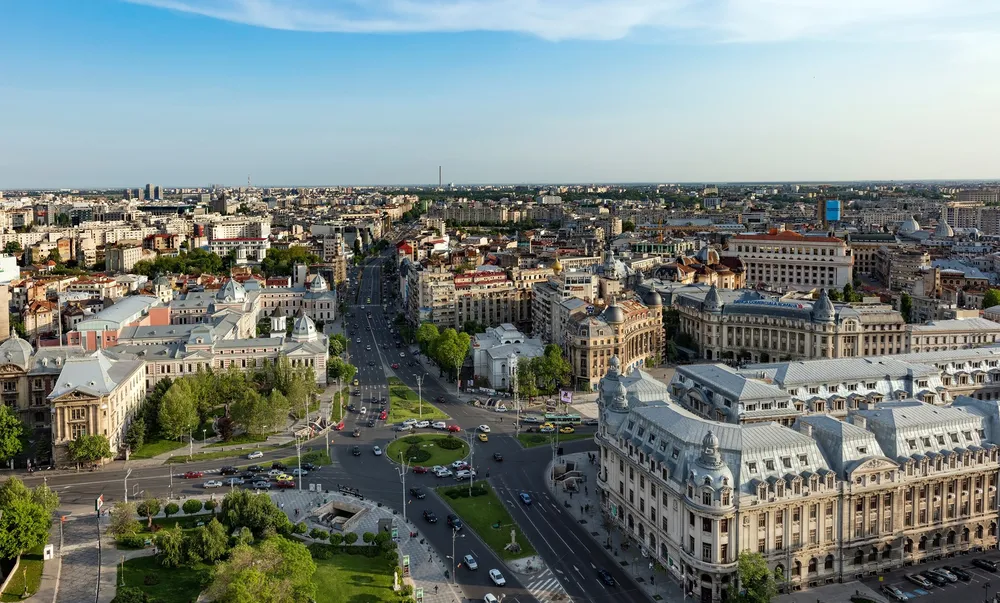
Bucharest's architectural landscape is a compressed history of the 20th century's most extreme tendencies. Interwar buildings in a distinctive local Modernist style sit alongside Socialist-era apartment blocks and the staggering Palace of Parliament — the second-largest administrative building in the world, built by the Ceaușescu regime at a cost that impoverished the country. Walking through the city is a sustained exercise in understanding how ideology shapes the physical form of a place, and the contrasts are unlike anything found elsewhere in Europe.

Nightlife and the Arts Scene

Bucharest has one of the most energetic nightlife scenes in eastern Europe. The city's clubs and bars — concentrated in the old town, the Floreasca district, and repurposed industrial spaces around the city — run late and seriously, with an appetite for electronic music, live performance, and extended social occasions that reflects a young population with genuine enthusiasm for the city's potential. The arts scene is correspondingly alive, with independent galleries, theatre companies, and creative spaces operating with a scrappiness that feels genuinely generative.

Food and Markets

Romanian food is built on a larder that includes exceptional vegetables, good dairy, and a tradition of slow-cooked meat dishes that arrives at the table with confidence. Bucharest's food scene ranges from traditional ciorba and sarmale in old-fashioned restaurants to a growing number of places using Romanian ingredients in contemporary ways. The Obor market, the largest traditional market in the city, is the best place to understand the raw material behind all of it.

Parks and Escape

Bucharest has a surprising amount of green space for a city of its density. Herăstrău Park, built around a lake in the north of the city, is the largest urban park in Romania — a place for cycling, rowing, and sitting in outdoor restaurants that extend into the trees. The Village Museum on the park's edge preserves dozens of traditional Romanian buildings relocated from across the country, offering an unexpectedly moving encounter with the country's rural architectural heritage in the middle of the capital.

The Palace of the Parliament, Ceaușescu's Bucharest and Communist Heritage

Bucharest bears the marks of Nicolae Ceaușescu's urban transformation program — the most destructive large-scale demolition of historic city fabric undertaken in Europe in peacetime — with an ambivalence that makes it one of the most intellectually uncomfortable and interesting capitals on the continent. The Palace of the Parliament, completed in 1997 after Ceaușescu's execution and the heaviest building in the world at 4.1 billion kilograms, has 1,100 rooms and a floor area of 365,000 square metres and can be visited on guided tours that convey its scale more effectively than any other single act of communist-era monument-building in Europe. The Bulevardul Unirii, the six-lane Champs-Élysées-style boulevard built by demolishing a quarter of the historic city and aligned with the Palace at its western end, remains the most visible spatial legacy of the Ceaușescu period and gives central Bucharest a scale quite unlike any other Romanian city. The Communist Consumer Culture museum in the House of Communism provides a domestic-scale counterpoint to the monumental scale of the Palace, presenting the everyday material culture of the socialist period through objects, packaging, and household items from Romanian homes.

Floreasca, the Village Museum and Bucharest's Contemporary Life

Bucharest's contemporary identity is most apparent in its northern districts, where the Floreasca neighbourhood's restaurants and lakeside bars, the Aviatorilor boulevard's embassies and villa architecture, and the Herastrau Park — the largest in the city at 187 hectares around the Herastrau Lake — create an urban environment that suggests a city recovering its pre-communist identity rather than defining a new one. The Village Museum (Muzeul Satului) on the shore of Herastrau Lake is the largest open-air museum in Romania, with over 300 traditional peasant houses, churches, and farm buildings relocated from across the country into a landscape that presents the full geographic and ethnic range of Romanian vernacular architecture in one walkable complex. The Cișmigiu Gardens in the city center, laid out in the 1840s on a former marsh and the oldest public park in Bucharest, and the Carol Park with its Heroes' Mausoleum and the National Military Museum, together provide the most historically layered public green spaces in the capital. The city's emerging food scene, concentrated in the Floreasca district and the regenerated streets around Piața Floreasca and Piața Română, reflects a generation of Romanian chefs drawing on national traditions with a technical ambition that is producing some of the most interesting cooking in southeastern Europe. The Grigore Antipa National Museum of Natural History, with its collection of over 2 million specimens and a newly renovated interior that has transformed it into one of the most engaging natural history museums in southeastern Europe, anchors the Piața Victoriei cultural cluster alongside the National Geology Museum and the George Enescu National Museum in the Cantacuzino Palace. The George Enescu Philharmonic, one of the most respected orchestras in eastern Europe, performs at the Romanian Athenaeum — the city's most beautiful building and a rotunda of Corinthian columns whose interior fresco depicts Romanian national history in a program painted in 1938. The Athenaeum is the venue for the George Enescu International Festival, held every two years in September and the most significant classical music festival in eastern Europe, which transforms Bucharest into a destination for international audiences who might otherwise overlook the city entirely. The Văcărești Nature Park, a 183-hectare urban wetland that developed spontaneously within an unfinished communist-era canal project and is now a protected reserve with 97 bird species, is the largest urban nature reserve in the European Union.

More Cities in Romania
Ready to find events in Bucharest?

Browse concerts, club nights, festivals, cultural events, and more. Book directly with the organizer.

Running an event in Bucharest? Create a free listing
Browse Events in Bucharest