
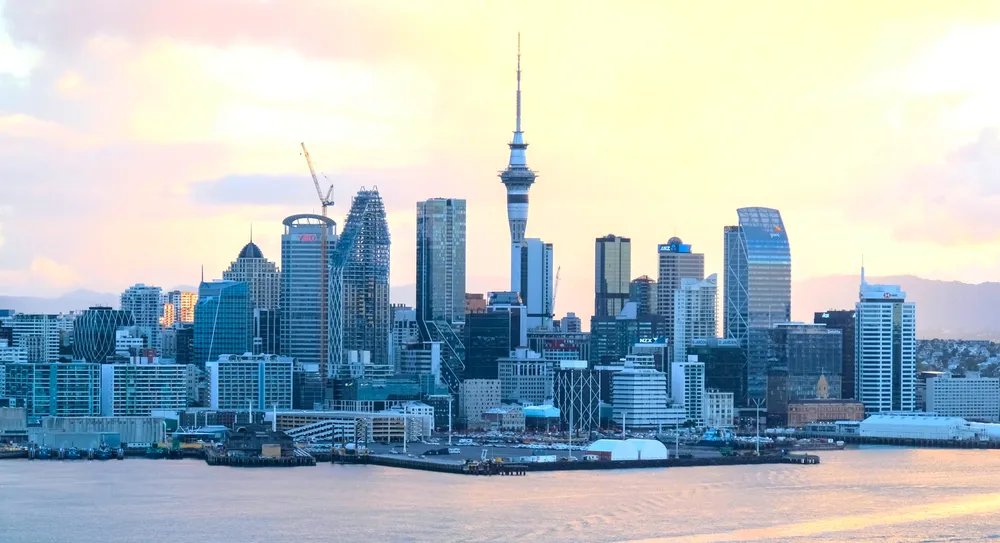
New Zealand is a country of extraordinary natural beauty and a cultural life that reflects the particular character of a bicultural society built from Maori and Pakeha (European settler) traditions. Auckland is the largest city and the primary hub for international arrivals. Wellington, the capital, has a cultural density and intensity that many visitors find surprising given its small size. Christchurch, rebuilt following the 2011 earthquakes in a way that has incorporated significant public art and urban creativity, and Dunedin, with its strong student culture and live music scene, complete a picture of a country where doing things well is taken seriously at every level.
Live Music
New Zealand has produced an impressive number of internationally significant musicians for a country of five million people, and the domestic live scene benefits from that creative infrastructure. Lorde is the most globally visible recent example, but the country's contributions to indie rock, roots reggae, hip-hop, and folk have been consistent across several decades. Wellington is regarded as the most musically active city per capita in New Zealand, with a venue culture that supports local artists with genuine loyalty. Dunedin's student population and isolation from the rest of the world historically encouraged a distinctive approach to indie and alternative music that influenced international scenes. Auckland's size means it draws international touring acts, though the cost and distance of touring to New Zealand means that major artists visit less frequently than New Zealanders would like.
Nightlife and Social Life
New Zealand's nightlife has a relaxed and unpretentious character that reflects the country's general social culture. Auckland's Ponsonby Road and Karangahape Road (K Road) are the principal nightlife areas, offering a range of bars, restaurants, and clubs that cater to varied tastes. Wellington's Cuba Street precinct is one of the most interesting urban strips in the country, with a density of bars, cafes, and venues that is disproportionate to the city's size and gives it a nightlife reputation that attracts visitors from across the country. Queenstown, primarily known for adventure tourism, has a lively bar scene that reflects its international visitor base. New Zealand's licensing culture has become more liberal over the past two decades, and late-night venues in the main cities operate into the early hours.
Maori Culture and the Arts
Maori culture is one of the defining features of New Zealand's national identity and offers experiences that are genuinely unique in the world. The haka, a posture dance performed with stomping, tongue protrusions, and chanting, is the most internationally recognised element of Maori culture, associated primarily with the All Blacks rugby team, but its significance extends far beyond sport into ceremony, welcome, and cultural assertion. Traditional Maori performing arts including poi (balls on strings swung in patterns) and waiata (songs) are accessible through cultural performances across the country. Te Papa Tongarewa, the national museum in Wellington, is one of the finest museums in the world for presenting indigenous culture with depth and respect. The New Zealand film industry, shaped in part by Peter Jackson's productions, has given the country international cultural visibility.
Food and Drink
New Zealand food culture has developed substantially in the past two decades, moving well beyond its British settler foundations into something genuinely interesting. The country's access to exceptional lamb, seafood (particularly green-lipped mussels, paua, and crayfish), and dairy produce provides a foundation that increasingly skilled chefs and producers have built into a cuisine with its own character. The flat white coffee, which New Zealand and Australia both claim to have invented, is made with a seriousness that produces consistently excellent results. Marlborough Sauvignon Blanc became one of the most recognised and imitated wine styles in the world after it emerged in the 1980s, and New Zealand wine now spans a much wider range of varieties and regions. Craft beer has a strong and enthusiastic domestic market. The hangi, a traditional Maori method of cooking in an underground pit, is a genuinely worthwhile food experience.
Sport
The All Blacks, New Zealand's national rugby union team, are by most statistical measures the most successful national team in the history of any major team sport in the world. Their win rate, sustained over more than a century, reflects an embedding of rugby culture in New Zealand society that goes far deeper than sport: the All Blacks represent national identity, values, and aspiration in a way that no other single institution does. Watching an All Blacks match at Eden Park in Auckland or at any venue in the country is an experience that connects you directly to something fundamental about how New Zealanders understand themselves. Cricket is the principal summer sport, with New Zealand consistently performing above its weight internationally. Sailing, netball, and rowing also produce internationally competitive results.
Festivals and Events
New Zealand's festival calendar reflects both its geographic isolation and its determination to generate cultural activity of genuine quality. The New Zealand International Arts Festival in Wellington, held in even-numbered years, is the most significant arts event in the country, spanning theatre, dance, music, and visual arts across three weeks. Laneway Festival brings internationally respected music acts to Auckland and Wellington every January, operating as part of the same circuit as Australian Laneway events. The Pasifika Festival in Auckland is one of the largest Pacific Island cultural festivals in the world, reflecting New Zealand's position as home to a large and diverse Pacific Island community. Whangamata Beach Hop, a celebration of 1950s and 1960s car culture, draws large crowds to the Coromandel Peninsula annually. The New Zealand International Film Festival travels between cities in July and August.