Things To Do in Auckland New Zealand

Discover events, experiences, and everything the city has on offer in Auckland. Browse the full event calendar or read the guide below.

Things To Do in Auckland

Discover events, experiences, and everything the city has on offer in Auckland. Browse the full event calendar or read the guide below.

Harbours and Volcanic Landscape

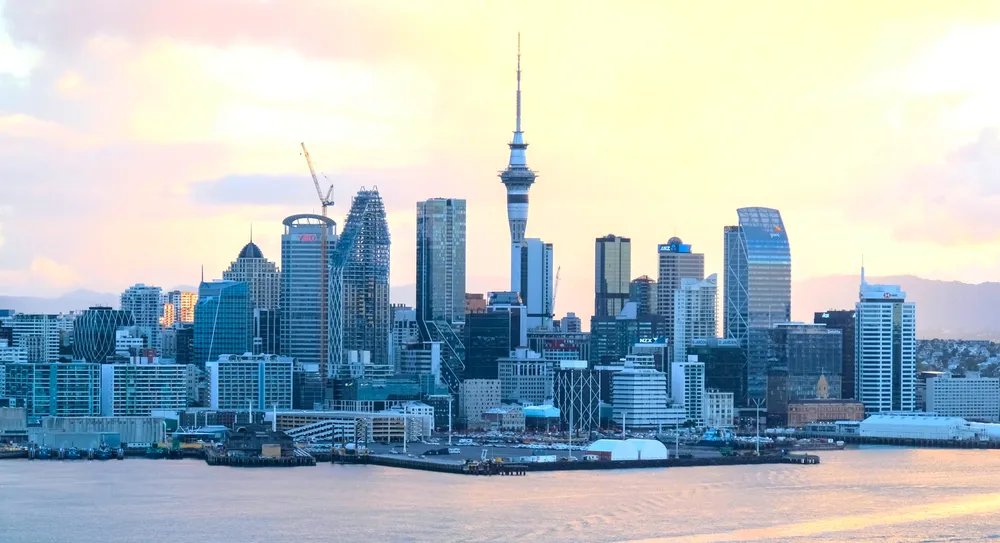
Auckland is built on a narrow isthmus between two harbours, and the sea is always close. The Waitemata Harbour to the north and the Manukau Harbour to the south create a geography that gives the city its particular restlessness — there is always a reason to be on or near the water. The isthmus is also one of the world's most active volcanic fields, and the 53 volcanic cones visible across the landscape, several preserved as public reserves within the city, give Auckland a skyline that is both familiar and geologically unusual.

Food and Restaurant Culture

Auckland's food scene has grown considerably in depth and ambition over the past decade, driven by the city's Pacific and Asian populations and a farming hinterland of exceptional quality. The Wynyard Quarter waterfront has become a destination for restaurants making serious use of New Zealand's seafood and produce, and the inner-city suburbs of Ponsonby, Grey Lynn, and Parnell have a density of good independent eating that rewards walking. The city's night markets — particularly those in the eastern suburbs — offer Pacific and Asian food at a quality that often exceeds what is found in formal restaurants.

Arts and Culture

Auckland has New Zealand's largest concentration of cultural institutions. The Auckland Art Gallery holds the country's most significant collection of New Zealand and Pacific art, including an important collection of Maori portraiture. The Auckland Museum, in the Domain parkland, has the world's finest collection of Maori and Polynesian artefacts, housed in a building that also serves as the national war memorial. Te Papa Tongarewa, New Zealand's national museum, is in Wellington, but Auckland remains the most active city for contemporary arts and performance.

Islands and Day Trips

The Hauraki Gulf, stretching east of Auckland, contains a large number of islands accessible by ferry, each with a different character. Waiheke Island, forty minutes from the city, has vineyards, beaches, and restaurants that attract serious visitors. Rangitoto, the youngest of Auckland's volcanic cones rising from the harbour, can be climbed in a morning. Tiritiri Matangi, a predator-free island sanctuary, is one of the best places in New Zealand to see native birds in a natural setting. The ferry infrastructure makes any of these a practical half-day from the city.

Waitemata Harbour, the Hauraki Gulf and Auckland's Island Character

Auckland sits on a narrow isthmus between two harbours — the Waitemata to the north opening to the Pacific and the Manukau to the south opening to the Tasman Sea — in a setting unique among major cities for the intimacy of its relationship with the open ocean on both sides. The Hauraki Gulf, immediately east of the city, contains over 50 islands, several of which have been cleared of introduced predators and restored as ecological sanctuaries supporting bird species extinct on the New Zealand mainland. Tiritiri Matangi Island, a two-hour ferry from the Viaduct Harbour, is the most accessible of these sanctuaries and allows visitors to walk among takahē, kōkako, and little spotted kiwi in a restored forest that has been growing since the 1980s. Waiheke Island, the most populated island in the gulf and 35 minutes by ferry from the city, has developed a wine industry on its clay hills that is now internationally recognised, particularly for its Bordeaux-style red blends, and its combination of vineyards, beaches, olive groves, and arts community makes it the most popular day trip from Auckland by a significant margin. Rangitoto Island, the youngest and largest volcano in the Auckland volcanic field, erupted approximately 600 years ago and is still uninhabited, with lava field walks and summit views that make it one of the most distinctive geological experiences in New Zealand.

Māori Heritage, Tāmaki Makaurau and Auckland's First Peoples

Auckland — Tāmaki Makaurau in te reo Māori, meaning the place sought by many lovers, a name reflecting the desirability of the isthmus to successive iwi — has the largest urban Māori population of any city in the world, and the Māori cultural presence in the city is more visible and active than in any other New Zealand city. Te Wānanga o Aotearoa and the Māori Television headquarters in Auckland produce and broadcast in te reo Māori to a national audience, sustaining language revitalisation in an urban context. The Auckland War Memorial Museum on the Domain, one of the finest museums in the Pacific, holds collections of Māori taonga (treasures) that include the largest surviving intact wharenui (meeting house) in the world, the 1880s carved house Te-Ao-Hou from the East Coast, alongside a waka taua (war canoe) of exceptional scale in its purpose-built gallery. The Māori cultural performance program at the museum presents kapa haka — the formal art of Māori song, dance, and oratory — in a setting that explains its context for visitors unfamiliar with the tradition. The network of pā sites on the volcanic cones of the Auckland isthmus, including Maungawhau Mount Eden, One Tree Hill, and Ōwairaka Mount Albert, were among the most densely occupied sites in pre-European New Zealand and their terracing and earthworks remain clearly readable on the cone summits now managed as public parks.

More Cities in New Zealand
Ready to find events in Auckland?

Browse concerts, club nights, festivals, cultural events, and more. Book directly with the organizer.

Running an event in Auckland? Create a free listing
Browse Events in Auckland