
Italy is a country where the density of cultural life is almost overwhelming: every city of significant size has museums, opera houses, theatres, food traditions, and festivals that would anchor a cultural calendar on their own. The country is also significantly more regional in character than its international image suggests. Rome, Milan, Florence, Naples, Venice, Bologna, Turin, Palermo, and Genoa are each distinct enough in dialect, food, music, and social character to constitute genuinely different experiences. The north and south differ substantially in pace, climate, and cultural emphasis, and exploring beyond the tourist itinerary reveals a country of extraordinary variety.
Opera and Live Music
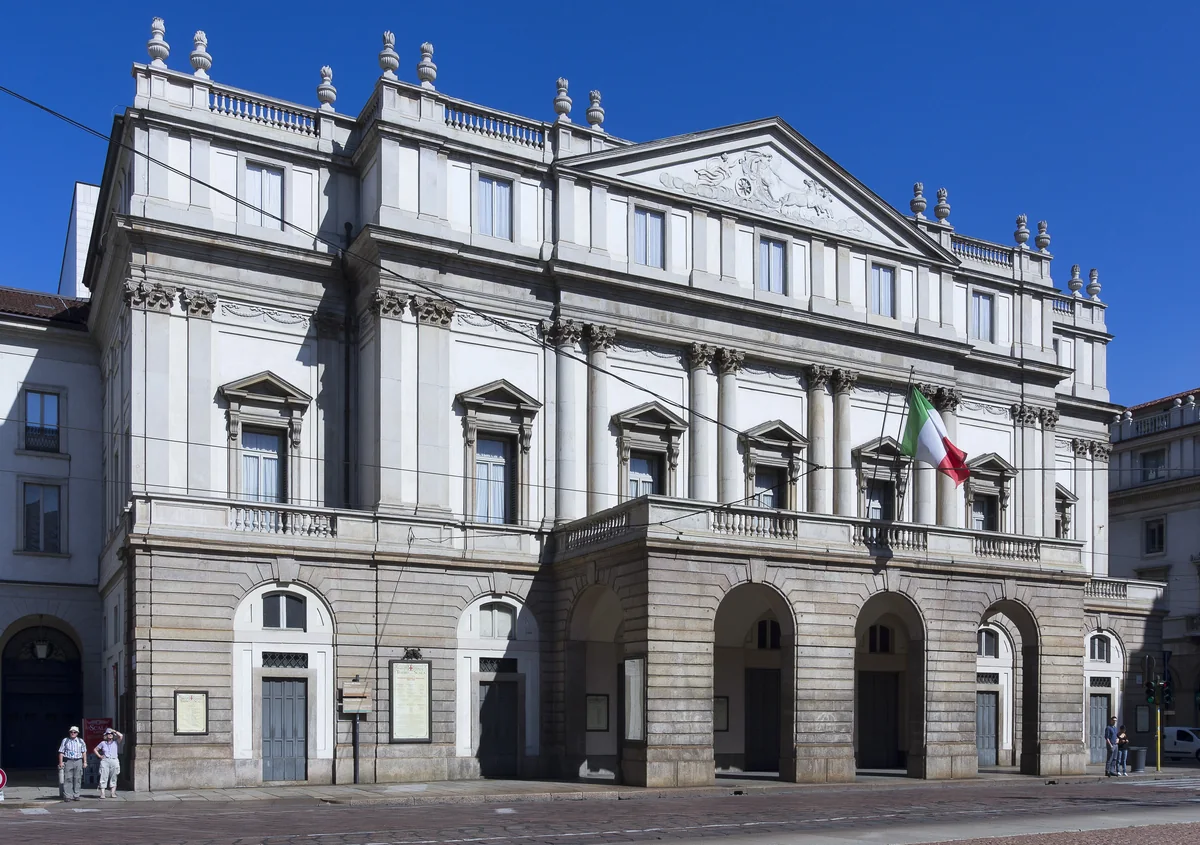
Italy is the birthplace of opera, and that heritage is not merely historical. La Scala in Milan, La Fenice in Venice, the Teatro San Carlo in Naples, and the Arena di Verona are active performing institutions that program world-class productions throughout the year. The open-air performance at the Arena di Verona, a Roman amphitheatre with a capacity of fifteen thousand, is one of the most extraordinary concert experiences available anywhere in the world. Beyond opera, Italy has a strong classical music tradition, a lively popular music scene that includes both mainstream Italian pop and a well-developed indie and alternative circuit, and a summer festival culture that fills historic piazzas and coastal venues with outdoor concerts from June through September. Electronic and dance music have a significant presence in clubs and summer venues along the coasts and in the major northern cities.
Nightlife and Aperitivo Culture
Italian social life has a particular rhythm that is different from northern European nightlife models. The aperitivo hour, typically from around 6pm until 9pm, is a social institution in Milan and across northern Italy: bars provide food alongside drinks at a fixed price, creating an evening warm-up that is genuinely social and inclusive. Milan's Navigli district, Rome's Trastevere and Pigneto neighbourhoods, Florence's Santo Spirito area, and Naples's Chiaia district all support active evening scenes that reflect the local character. Clubs in Ibiza-influenced coastal resorts along the Adriatic and Tyrrhenian coasts operate through the summer months and attract an international crowd. The pace of Italian nightlife runs later than most of Europe: dinner at nine, drinks after midnight, and a general sense that there is no hurry.
Culture and the Arts
The concentration of art, architecture, and cultural heritage in Italy is without parallel anywhere in the world. The Vatican Museums in Rome, the Uffizi in Florence, the Brera in Milan, the National Archaeological Museum in Naples, and dozens of comparable institutions in smaller cities contain collections that represent some of the most significant achievements in Western art history. Contemporary art is equally well-represented: the Venice Biennale, held every two years, is the most important international exhibition of contemporary art in the world. The Venice Film Festival is one of the oldest and most prestigious film events globally. Italian cinema has a distinguished history and a continuing production culture that generates critically significant work regularly. Theatre, dance, and performance are supported by public institutions across the country.
Food, Wine, and Markets
Italian cuisine is not a single thing but a collection of deeply distinct regional traditions that share certain values: quality ingredients, respect for technique, and the conviction that eating well is not a luxury but a right. Roman cacio e pepe is a different experience from Bolognese ragu, which is nothing like Neapolitan pizza, which has no relationship to Venetian cicchetti. Exploring Italian food regionally is one of the most rewarding things the country offers. Wine follows the same logic: Barolo in Piedmont, Brunello in Tuscany, Amarone in the Veneto, Nero d'Avola in Sicily, and Greco di Tufo in Campania are each the product of specific geography and tradition. Weekly markets in city neighbourhoods sell produce from the surrounding countryside in a transaction that is simultaneously commercial and social. Slow Food, the international movement that advocates for food culture and biodiversity, was founded in northern Italy and continues to be a significant force in how the country thinks about its food.
Sport and Outdoor Life
Football in Italy carries a passion and intensity that is inseparable from regional identity. The rivalry between clubs in the same city (Rome's derby, Milan's derby) and between northern and southern clubs reflects social and cultural divisions that run deep in Italian society. Serie A football is watched across the world, and the matchday atmosphere in Italian stadia, particularly in the ultras sections, is unlike anything in other European leagues. Cycling is the other great Italian sporting religion: the Giro d'Italia is one of the three Grand Tours of professional cycling and receives the kind of national attention in Italy that the Tour de France gets in France. The Dolomites, the Alps, and the Apennines provide exceptional skiing, hiking, and climbing. Motorsport has a devoted Italian following tied to Ferrari and the Formula One race at Monza, which generates one of the most atmospheric atmospheres in the F1 calendar.
Festivals and Celebrations
Italy's festival calendar is built on a foundation of religious and civic traditions that have run for centuries alongside a contemporary events culture that has grown substantially in the past two decades. Carnevale, celebrated most famously in Venice and Viareggio, involves weeks of masked balls, street parades, and public performances in the period before Lent. Semana Santa processions and local patron saint celebrations organise the social calendars of towns and villages across the south in particular. Summer brings open-air cinema, jazz festivals, classical music in archaeological sites, and food festivals in almost every region. The Estate Romana in Rome transforms the city's parks and piazzas into cultural venues through the summer months. Truffle festivals in Umbria and Piedmont, wine festivals at harvest time, and seafood festivals along the coasts all reflect the deep connection between Italian celebration and Italian food.