
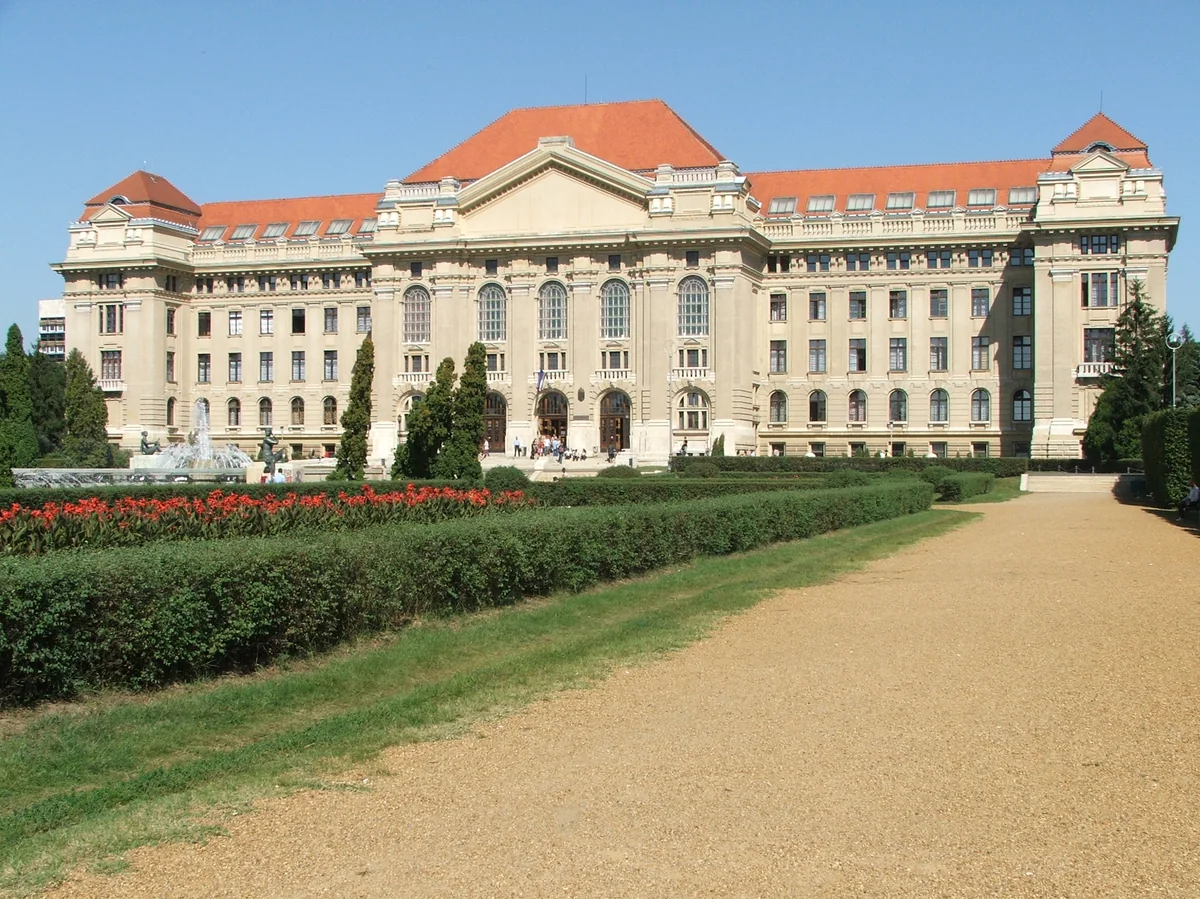
Hungary is a country of particular cultural richness that has produced composers, mathematicians, filmmakers, and architects of world significance from a relatively small population. Budapest is one of the most beautiful cities in Europe: the combination of the Danube dividing Buda (the hilly old city) and Pest (the flat commercial city), the neo-Gothic Parliament building on the riverbank, the thermal baths, the bridges, and the ruin bars of the Jewish quarter create an urban environment that is consistently surprising and engaging. Hungarian culture carries both the weight of its past, including the devastating losses of the 20th century, and a vitality and creativity that continues to produce work of international quality.
Music
Hungary's musical heritage is one of the richest in Central Europe. Franz Liszt, one of the greatest pianists and composers of the 19th century, was Hungarian, and his legacy is maintained through the Liszt Academy of Music in Budapest, which is both a performing venue and a music education institution of international standing. Bela Bartok and Zoltan Kodaly, working in the early 20th century, documented and transformed Hungarian folk music into a compositional resource that influenced the development of Western art music. Contemporary Hungarian classical music, performed at the Academy, the Opera House, and the Palace of Arts (Mupa), maintains this tradition of serious engagement with the form. The popular music scene is active across rock, pop, and electronic genres. Sziget Festival, held every August on an island in the Danube in Budapest, is one of the largest and most diverse music festivals in Europe, drawing audiences from across the continent.
Ruin Bars and Nightlife
Budapest's ruin bars (romkocsmak) are one of the most original nightlife concepts in the world and are entirely specific to the city. Beginning in the early 2000s, bars began opening in the abandoned and dilapidated buildings of the former Jewish quarter, leaving the decaying interiors largely as found and adding eclectic furniture, plants, and art in the gaps. Szimpla Kert, the first and most famous ruin bar, occupies a former apartment block and operates as a bar, gallery, flea market, cinema, and cultural space simultaneously. The concept has spread and evolved, and the concentration of ruin bars and other distinctive venues in the Erzsebetvaros district makes it one of the most interesting nightlife areas in Central Europe. Beyond the ruin bars, Budapest has conventional clubs and bars across all neighbourhoods, and the density and affordability of nightlife makes it a genuine destination.
Culture, Baths, and Heritage
Budapest's built environment is exceptionally rich for a city of its size. The Hungarian Parliament Building, completed in 1902 and visible from across the Danube, is one of the most elaborately detailed neo-Gothic buildings in the world. Buda Castle, the historic royal palace on Castle Hill, houses the Hungarian National Gallery and the Budapest History Museum. The Great Synagogue on Dohany Street is the largest synagogue in Europe and stands at the entrance to the former Jewish quarter, whose history and cultural vitality are both preserved and acknowledged in the surrounding institutions. The thermal bath culture, made possible by the geothermal springs that run under Budapest, is a central feature of city life: the Szechenyi, Gellert, and Rudas baths each have distinct characters, and bathing in thermal water in a grand early 20th-century building is one of the most specific pleasures available in the city.
Food and Drink
Hungarian cuisine is paprika-rich, hearty, and more varied than its international reputation might suggest. Goulash (gulyas), the beef and paprika stew that has become the dish most associated with Hungary internationally, is actually a soup in its authentic form rather than the thick stew usually served abroad. Chicken paprikash with nokedli (small egg dumplings) and stuffed peppers are equally central to the Hungarian table. Langos, a deep-fried dough topped with sour cream and cheese, is a street food sold at markets and outdoor events. Hungarian wine has a tradition going back to the Middle Ages: Tokay (Tokaji), the sweet wine produced in northeastern Hungary from grapes affected by noble rot, was called the wine of kings and the king of wines and has genuine historical and cultural importance. Palinka, a fruit brandy produced from plums, apricots, pears, or cherries, is the national spirit.
Sport
Hungary's sporting heritage is distinguished across several disciplines in a way that reflects the country's cultural seriousness about excellence. Water polo is the sport in which Hungary has been most consistently dominant internationally: the national team has won more Olympic gold medals in water polo than any other country, a record that reflects both the quality of coaching and the depth of participation in a country with a strong bathing and swimming culture. Hungarian football was, in the 1950s, the best in the world: the Golden Team of Puskas, Hidegkuti, and Kocsis played a style of football that influenced the development of the game globally and remains a source of national pride. The Hungarian Formula 1 Grand Prix at the Hungaroring outside Budapest has been part of the F1 calendar since 1986 and draws a large domestic audience. Fencing has produced Olympic medalists consistently across generations.
Festivals and Events
Hungary's festival calendar reflects both its folk heritage and its contemporary cultural ambitions. Sziget Festival in August is the centerpiece: one of Europe's largest music festivals, held on a Danube island that transforms for a week into a temporary city with stages across all genres, art installations, theatre, sports, and a distinctly international attendee culture. The Budapest Spring Festival in March programs across classical music, opera, and contemporary arts. The Busojárás carnival in Mohács, held in the days before Lent, involves participants dressed in frightening carved wooden masks and fur costumes enacting a traditional ritual connected to the expulsion of the Turks, and is one of the most visually extraordinary carnival events in Europe. The Formula 1 Hungarian Grand Prix weekend brings the international motorsport community to Budapest each July. Hungarian State Folk Ensemble performances provide accessible access to the traditional music and dance traditions that Bartok and Kodaly documented.