
Things To Do in Budapest Hungary

Discover events, experiences, and everything the city has on offer in Budapest. Browse the full event calendar or read the guide below.

Things To Do in Budapest

Discover events, experiences, and everything the city has on offer in Budapest. Browse the full event calendar or read the guide below.

Architecture, Bridges and the Danube

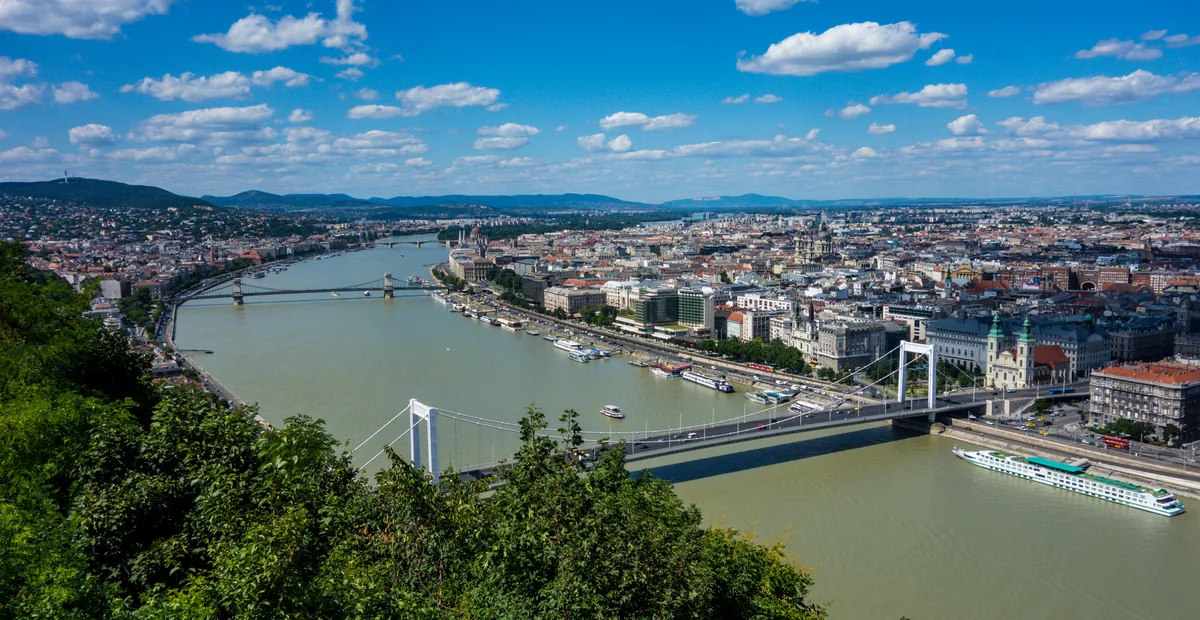
Budapest's extraordinary architectural character is the product of a building program concentrated between 1867 and 1914, when the Austro-Hungarian Compromise gave Hungary equal partnership with Austria and the resulting prosperity was invested in constructing a capital to rival Vienna in grandeur. The Hungarian Parliament Building, completed in 1904, sits at the edge of the Danube directly opposite the Buda Castle quarter, and the panorama of the river with castle above it on one bank and Parliament on the other is among the most dramatic urban views in Europe. Heroes' Square with its Millennium Monument and the sweeping Andrassy Avenue leading toward it form an ensemble conceived explicitly as a statement of Hungarian national identity. The Chain Bridge, opened in 1849 as the first permanent crossing of the Danube in Hungary, set the character for the eight fixed crossings that now span the river.

Thermal Baths and Spa Culture

Budapest sits on a geological formation producing over a hundred thermal springs within the city limits, and the tradition of public bathing built on them dates from the Ottoman occupation of the sixteenth and seventeenth centuries, whose hammam-building program created the original structures around which the later bath culture developed. The Szechenyi Baths in City Park, with their ornate Baroque exterior and outdoor pools, are the most visited, operating as a genuine spa complex with medical services alongside recreational swimming. The Gellert Baths inside the Gellert Hotel have the most beautiful interior of any bath in the city, with Art Nouveau tiles and a wave pool. Spending an afternoon in a bath, reading a newspaper or playing chess at the edge of the water, is a cultural practice specific to Budapest and entirely unrepeatable elsewhere.

Ruin Bars, Nightlife and the Budapest Scene

The ruin bar phenomenon began in the early 2000s in the abandoned buildings of the seventh-district Jewish Quarter, where derelict courtyards and ruined interiors were fitted with salvaged furniture, mismatched objects, and an aesthetic of controlled decay to create a new category of hospitality venue that has been copied across the world but never fully replicated. Szimpla Kert on Kazinczy utca was the prototype and remains the most famous, operating as bar, arts venue, weekend farmers' market, and occasional film club in a building whose ruined character is its defining feature. The concentration of similar venues in the streets around Kazinczy and Rumbach has created a nightlife quarter that draws visitors from across Europe specifically to Budapest, a pull that the city's other considerable attractions do not alone explain.

Food, Wine and the Hungarian Table

Hungarian cooking is Central European food at its most direct: paprika in all its forms, slow-cooked meats, sour cream, and bread dumplings form the foundations of a cuisine whose flavour intensity is genuine rather than performed. Gulyas in Hungary is a soup rather than the thick stew associated with it internationally, and ordering it in a traditional restaurant produces a dish quite different from most visitors' expectations. The Great Market Hall on Fovam ter, designed in the 1890s, is a working food market despite its architectural grandeur; the functioning ground-floor food stalls and the tourist goods on the upper gallery occupy the same building but serve entirely different purposes. Tokaj wine, produced two hours east of the city, is one of Europe's great and most undervalued wine traditions, and tasting it in the capital gives convenient access to a style that deserves far more international attention.

Jewish Heritage and the Memory of the Seventh District

Budapest's seventh district carries one of the most layered histories of any urban neighbourhood in Central Europe. The Great Synagogue on Dohány Street, completed in 1859 in a Moorish Revival style, is the largest synagogue in Europe, accommodating three thousand worshippers and housing a museum of Jewish community history in the adjacent building. The Jewish Quarter was sealed as a ghetto during the final months of the Second World War, when the Hungarian Jewish population was confined here in conditions of extreme privation before deportation. The memorial in the synagogue garden, planted as a weeping willow whose metal leaves are engraved with the names of victims, is one of the most direct and specific Holocaust memorials in the world. The Budapest Jewish Cultural Festival, held in late August and early September, is one of the most significant events of its kind in Europe, programming music, film, and cultural events in venues across the district. The same neighbourhood that carries this history now operates as the ruin bar and creative nightlife quarter of the city, a juxtaposition that becomes comprehensible only to visitors who spend sufficient time to understand both layers simultaneously. The Dohány Street Synagogue, the Jewish Museum, the Orthodox Synagogue on Kazinczy Street, and the Heroes' Temple form a trail through religious and community architecture whose significance extends well beyond the city's borders. The concentration of Jewish heritage sites within the seventh district makes it one of the most historically significant urban neighbourhoods in Central Europe, and the guided heritage walks that trace its history draw visitors with a serious interest in the region's past.

More Cities in Hungary
Ready to find events in Budapest?

Browse concerts, club nights, festivals, cultural events, and more. Book directly with the organizer.

Running an event in Budapest? Create a free listing
Browse Events in Budapest