
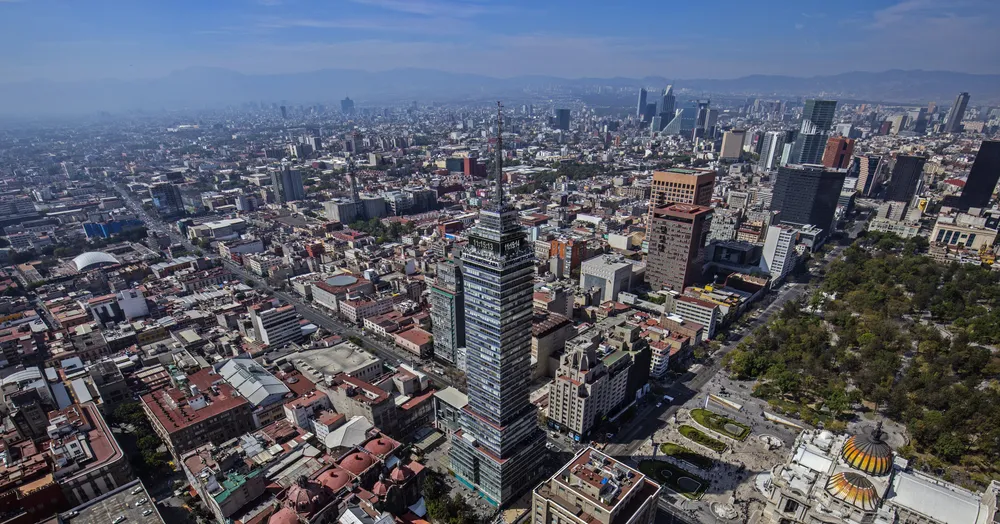
Mexico is a country of extraordinary cultural depth whose contribution to art, architecture, cuisine, and music has been globally significant for centuries. Mexico City is one of the great cultural capitals of the Americas: a megalopolis of 22 million people that produces art, food, nightlife, and intellectual life at a scale and intensity that rewards extended engagement. Oaxaca, Guadalajara, Monterrey, and Merida each carry distinct regional identities that make travelling beyond the capital a series of genuinely different experiences. The country's pre-Columbian heritage, its Spanish colonial architecture, and its living indigenous cultures together create a depth of context that gives everything you encounter an additional layer of meaning.
Music
Mexico's musical traditions are extraordinarily varied and draw on indigenous, African, European, and US influences that have combined in different ways across different regions. Mariachi, the genre most associated with Mexico internationally, originated in the state of Jalisco and spread across the country as an expression of national identity, particularly through the film and recording industries of the 1940s and 1950s. Norteño music from northern Mexico combines accordion and bajo sexto (a twelve-string bass guitar) in a style that reflects the region's proximity to the US border. Cumbia, banda, and huapango each represent different regional traditions with active contemporary scenes. Mexico City has developed a significant rock and indie music culture, particularly in the Condesa and Roma neighbourhoods, and its electronic music scene has grown considerably. The city also hosts international touring acts as the primary Mexican stop on global tours.
Nightlife
Mexico City's nightlife is one of the most active and varied in Latin America. The Condesa and Roma neighbourhoods have developed a bar and restaurant culture of real quality that operates late on weekends and draws a mixed local and international crowd. Polanco is more associated with upscale venues oriented toward the city's wealthier demographic. Zona Rosa has a significant LGBTQ+ bar and club scene with a long history. Mezcal, the agave-based spirit that has become internationally fashionable, has deep roots in Oaxacan culture and is now available in serious bars across the country with a depth and variety that rewards exploration. Tequila, the mezcal subcategory from Jalisco, is consumed in contexts ranging from tourist bars to serious mezcalerias where flights of different expressions are served with the seriousness of a whisky tasting.
Art, Culture, and Heritage
Mexico's contribution to visual art in the 20th century was extraordinary. The muralist movement of Diego Rivera, Jose Clemente Orozco, and David Alfaro Siqueiros produced large-scale public works that used art as a vehicle for political and historical expression in a tradition that influenced artists internationally. Frida Kahlo's intensely personal and symbolically dense paintings have become among the most reproduced and recognised images in contemporary popular culture. The Casa Azul, Kahlo's home in Coyoacan, is now a museum and one of the most visited sites in Mexico City. The Palacio de Bellas Artes, the Museo Nacional de Antropologia (one of the great museums in the world for pre-Columbian civilisations), and the Museo Tamayo all contribute to a cultural landscape of international significance. Mexican cinema, with directors including Alfonso Cuaron, Guillermo del Toro, and Alejandro Inarritu having won multiple Academy Awards, has achieved a global profile that reflects genuine creative distinction.
Food and Drink
Mexican cuisine was inscribed on the UNESCO Intangible Cultural Heritage list in 2010, a recognition of its depth, variety, and the degree to which it is embedded in the country's social life and identity. The diversity of ingredients and techniques across Mexico's different regions makes generalising about Mexican food almost impossible: the mole sauces of Oaxaca, made with dozens of ingredients and requiring days of preparation, are entirely different from the seafood tacos of Baja California, which have nothing in common with the pit-roasted cochinita pibil of the Yucatan. Corn, in its many forms as tortilla, tamale, tlacoyo, tlayuda, and dozens of other preparations, is the foundation of the cuisine and reflects a 10,000-year agricultural tradition. Street food culture in Mexico City is extraordinary in its density and variety, and eating at taquerias, torterias, and market stalls is central to how Mexicans experience their own city.
Sport and Entertainment
Football in Mexico generates a passion comparable to the most intense football cultures in Europe and South America. The Liga MX is one of the most-watched football leagues in North America, and the rivalry between Club America and Guadalajara (Chivas) is one of the most intense in Latin American sport. The Mexican national team, known as El Tri, is followed with devotion that makes World Cup matches occasions of collective national experience. Lucha libre, the Mexican form of professional wrestling characterised by its high-flying moves, colorful masks, and theatrical storytelling, is an entertainment form with genuine cultural roots that goes beyond sport into performance art and popular iconography. Attending a lucha libre event in Mexico City's Arena Mexico is an experience that combines acrobatics, pantomime, and crowd participation in a distinctly Mexican form. Boxing has produced some of Mexico's most celebrated international sporting figures.
Festivals
Mexico's festival calendar reflects the deep fusion of indigenous and Catholic traditions that characterises Mexican popular religion. Día de los Muertos on 1 and 2 November is one of the world's most distinctive festivals: an elaborate and beautiful commemoration of the dead that combines pre-Hispanic traditions with Catholic All Saints and All Souls observances, involving altars loaded with the favorite foods and objects of deceased family members, marigold flowers, sugar skulls, and cemetery vigils that are simultaneously solemn and celebratory. Semana Santa, the Holy Week before Easter, is observed across the country with processions, religious performances, and community gatherings. The Grito de Independencia on the night of 15 September, when the president rings a bell and recites the names of independence heroes from the balcony of the National Palace to an enormous crowd in the Zocalo, is one of the great public rituals of national life.