
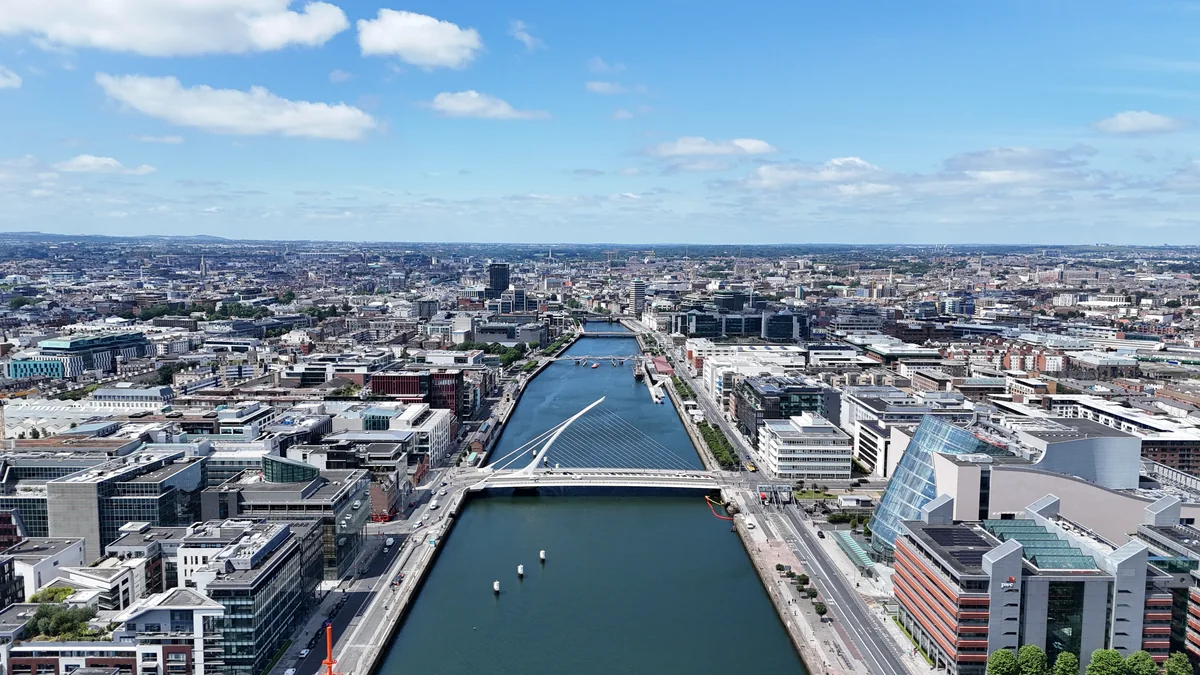
Ireland is a small country with a cultural life that punches well above its weight in music, literature, theatre, and conversation. The pub is not simply a drinking venue but a social institution around which much of Irish cultural life organises itself, particularly in the case of traditional music. Dublin is the primary urban center and has a cultural density comparable to much larger European capitals. Cork, Galway, Limerick, Waterford, and Kilkenny each have their own distinct characters and contributions to Irish cultural life that make travelling beyond the capital genuinely rewarding.
Live Music
Ireland's relationship with music runs through every level of cultural life. Traditional Irish music (trad) is not a museum piece but a living practice: sessions happen unannounced in pubs across the country on any given evening, with musicians gathering to play reels, jigs, airs, and slow airs in a format that is participatory and informal. The standard of traditional musicianship in Ireland is genuinely high, and even a casual session in a small-town pub can be musically significant. Dublin's rock and pop venue circuit is strong and well-established, with a long tradition of producing internationally successful acts across multiple decades. Galway has a particularly vibrant live music scene for its size, with pub culture and a large student population sustaining a density of live music that makes it one of the most musically active small cities in Europe. Cork has its own strong scene rooted in alternative rock and folk.
Nightlife and Pub Culture
The Irish pub is a distinct cultural institution that has been imitated across the world with limited success, because what makes it work is not the interior design but the social expectation of conversation. In Ireland, the pub is a place where people of different ages and backgrounds genuinely interact, and the quality of conversation is taken seriously as a form of entertainment. Dublin's Temple Bar area is the most tourist-oriented concentration of pub culture but the wider city has numerous authentic neighbourhood pubs that are worth seeking out. The nightclub scene in Dublin, Cork, and Galway operates alongside the pub culture rather than replacing it. Late bars with live music, comedy clubs, and spoken word nights extend the evening options well beyond the traditional format.
Literature, Theatre, and Culture
Ireland's literary tradition is internationally significant in a way that is difficult to explain given the country's size. Four Nobel Prizes in Literature have gone to Irish writers, and the country's relationship with language, storytelling, and oral tradition runs through every aspect of cultural life. The Abbey Theatre in Dublin is the national theatre and one of the most historically important theatrical institutions in the English-speaking world. Contemporary Irish theatre and playwriting continue to produce work of international quality. The country's film industry has grown considerably, and Irish cinema now has a strong international profile. Literary festivals, poetry readings, and storytelling events operate across the country throughout the year, and the culture of verbal performance is embedded in Irish social life in a way that has no direct equivalent elsewhere.
Food and Drink
Irish food culture has transformed dramatically in the past two decades. The country's agricultural heritage and access to exceptional dairy produce, seafood, and lamb provides a foundation that an increasingly skilled generation of chefs and producers has built into something genuinely impressive. The west coast in particular offers seafood of exceptional quality: oysters from Galway Bay, smoked salmon from county Clare, and fresh crab from the Atlantic are available in ways that make coastal eating a significant pleasure. Farmers markets in Dublin, Cork, and Galway operate weekly and showcase a food producer culture that has grown substantially since the 1990s. Craft beer has been a genuine success story, with independent Irish breweries producing beers that have won international recognition. Irish whiskey has experienced a remarkable global revival, with new distilleries opening across the country and tours forming a significant part of the cultural tourism offer.
Sport
The Gaelic Athletic Association (GAA) organises two sports that are unique to Ireland and carry a cultural weight that is difficult to overstate. Gaelic football and hurling are played at county level with an intensity of local pride that makes county championship matches among the most emotionally charged sporting events in Europe. The All-Ireland finals in September in Croke Park are national occasions that go well beyond sport. Rugby union has a passionate following across the whole island, with Leinster, Munster, Ulster, and Connacht competing in the Heineken Champions Cup at a consistently high level. The Irish national rugby team draws players from both the Republic and Northern Ireland and has been one of the most successful teams in the world over the past decade. Horse racing is deeply embedded in Irish culture, with Cheltenham in March functioning almost as a national holiday for Irish racing enthusiasts.
Festivals and Events
Ireland's festival calendar is rich relative to the country's population. St Patrick's Day on 17 March is the national day and involves parades, music, and public events in every town and city, with the Dublin parade drawing international visitors and the village celebrations in rural Ireland offering a more intimate experience of what the day actually means locally. The Galway Arts Festival in July is the largest arts festival in Ireland and programs theatre, visual art, music, and street performance across two weeks. The Electric Picnic in Stradbally is the largest camping music festival in the country. The Cork Jazz Festival runs every October and is one of the longest-running and best-regarded jazz festivals in Europe. The Fleadh Cheoil, the annual Irish traditional music festival, moves between host towns and draws hundreds of thousands of musicians and listeners for a week of sessions, concerts, and competitions. Dublin has also developed into a significant hub for professional and technology events, driven by the concentration of major technology companies that have chosen Ireland as their European base. The country hosts international conferences across pharmaceuticals, financial services, and technology, sectors in which Ireland has particular industry depth. Web Summit, one of Europe's most important technology conferences, was founded in Dublin and continues to have a strong Irish identity. The Convention Center Dublin is a purpose-built facility that supports large-scale international congresses and corporate events.