Things To Do in Dublin Ireland

Discover events, experiences, and everything the city has on offer in Dublin. Browse the full event calendar or read the guide below.

Things To Do in Dublin

Discover events, experiences, and everything the city has on offer in Dublin. Browse the full event calendar or read the guide below.

Pub Culture, Literature and the City's Soul

The Dublin pub is not a drinking establishment so much as a social institution: a warm, noisy, unhurried place where conversation is the primary activity and where the quality of human company is valued above almost everything else. The pub culture of Mulligan's on Poolbeg Street, The Long Hall on South Great George's Street, and Kehoe's on South Anne Street reflects a tradition of public house life that is specific to this city and this country. Dublin's literary tradition is as dense as any city its size in the world: the writers who were born or spent significant time here include figures whose work is foundational to the development of the twentieth-century novel and whose relationship with the city is so specific that entire academic careers are devoted to mapping their streets. The Dublin Literary Pub Crawl and the James Joyce cultural sites are formal expressions of a city that takes its literary reputation seriously.

Technology, Business and the European Hub

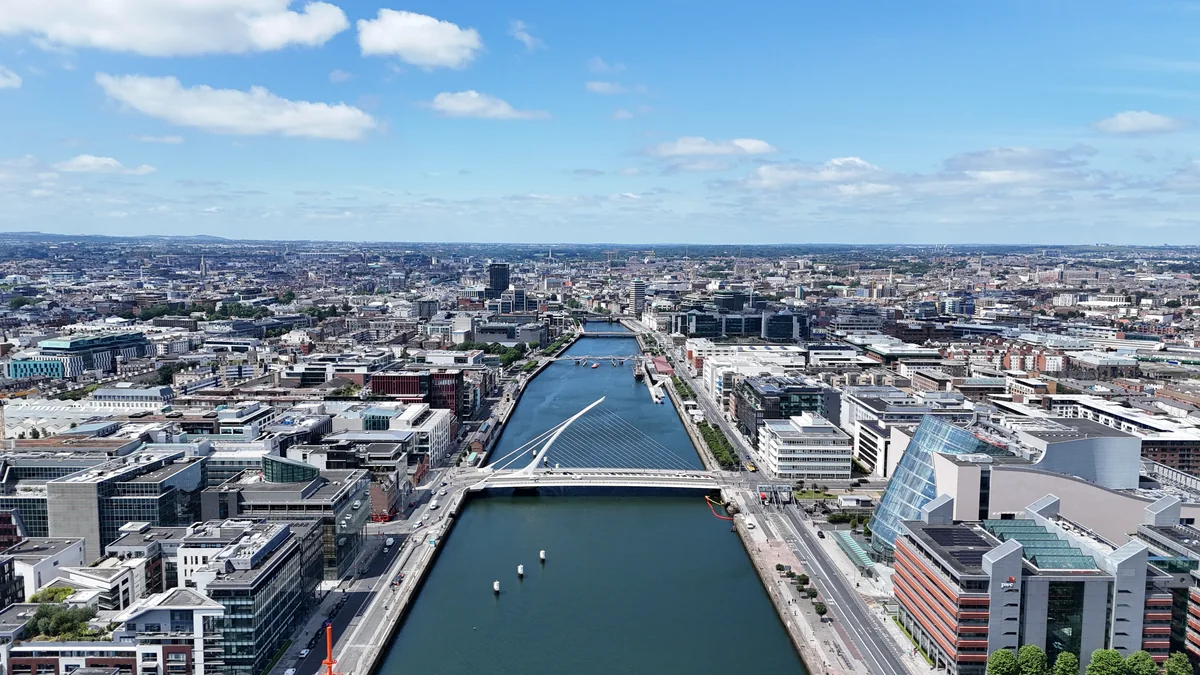
Dublin is the European headquarters of a remarkable concentration of global technology companies, drawn by a combination of the English language, a young educated workforce, EU membership, and a favourable corporate tax environment. The Docklands and Silicon Docks area, a former industrial waterfront east of the city center, has been transformed by the arrival of major technology companies' European headquarters into one of the most architecturally dynamic districts in Dublin, with contemporary office buildings, public art installations, and a canal-side walking environment that reflects the investment the sector has brought. The concentration of internationally mobile workers in this area has reshaped the city's restaurant and café culture more broadly, and the Docklands is worth walking through as a demonstration of how rapidly a city can physically reinvent a former industrial quarter. The Web Summit, which relocated from London to Dublin in 2012, is one of the largest technology conferences in the world.

Gaelic Sport, Football and Rugby

Croke Park, with a capacity of 82,300, is the home of Gaelic games and the third-largest stadium in Europe, a fact that surprises most visitors who are unaware of the scale at which hurling and Gaelic football are followed in Ireland. All-Ireland Finals in both sports are played here each September before packed crowds. The GAA (Gaelic Athletic Association) was founded in 1884 partly as a cultural resistance movement, and the association between Gaelic sport and Irish national identity gives matches a symbolic weight that pure athletic competition rarely carries. The Aviva Stadium in Lansdowne Road is the home of the Irish rugby union and football teams. Ireland's consistent performance in Six Nations rugby and its periodic qualification for football World Cups sustain a sporting culture that is passionate and internationally engaged.

Festivals, Heritage and Seasonal Life

St Patrick's Festival over the March bank holiday weekend has grown from a single parade into a four-day cultural and entertainment program that draws visitors from across the world to a city decorated in green and celebrating its own identity with a self-awareness that manages to be both sincere and gently ironic. Bloomsday on the 16th of June, the date on which the events of a single most celebrated novel in the Irish tradition take place, is observed by a community of readers, academics, and enthusiasts who walk the route, visit the pubs mentioned in the text, and eat the kidneys and burgundy wine described in the first chapter. The Bram Stoker Festival in October and the Dublin Theatre Festival in autumn complete a cultural calendar that reflects the city's literary and creative inheritance.

Neighbourhoods, the Docklands and the Changing City

Dublin has changed more rapidly in the past thirty years than at any previous point in its history, and the physical evidence is most visible in the Silicon Docks of the Grand Canal and Docklands quarter, where the European headquarters of the world's largest technology companies occupy buildings that were warehouses and docks within living memory. The contrast between this district and the Georgian terraces of Merrion and Fitzwilliam Squares to the south, where the 18th-century townhouse fabric is the most intact in any European city outside London, is representative of a city that holds its layers with remarkable density in a relatively small area. The Liberties, Dublin's oldest working-class neighbourhood west of the city center, has a brewing and distilling history extending back over three centuries and is now home to a cluster of craft distilleries and the Guinness Storehouse, the most visited paid attraction in Ireland, which tells the history of a stout that has been brewed on the same site since 1759. The Portobello and Rathmines districts to the south carry an independent retail and restaurant culture that has grown around the canal banks and Victorian terraces. The covered food market at George's Street Arcade, operating since 1881, sustains a mix of independent traders, food stalls, and vintage clothing vendors that reflects a commercial character more durable than any planned development. Dublin Bay, accessible by DART train to the northern and southern suburbs, offers beaches, swimming, and the Victorian bathing places at Forty Foot in Sandycove that continue year-round regardless of temperature. The city's coastal suburbs, reachable by DART in under thirty minutes from the center, offer a completely different Dublin of Victorian seaside towns, cliff walks, and harbour swimming that is used year-round by residents with a commitment to the sea that the city's inland reputation does not prepare visitors for.

More Cities in Ireland
Ready to find events in Dublin?

Browse concerts, club nights, festivals, cultural events, and more. Book directly with the organizer.

Running an event in Dublin? Create a free listing
Browse Events in Dublin