
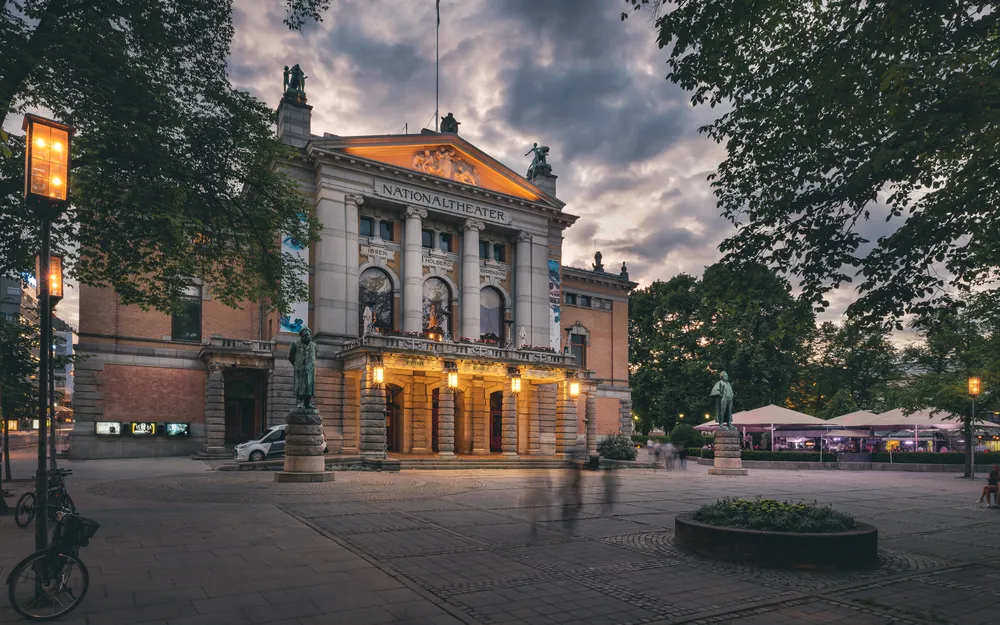
Norway is a country where the landscape is so dominant that it shapes almost every aspect of cultural life. The fjords, the mountains, the Arctic north, and the long coastline are not merely scenic backdrops but active participants in how Norwegians spend their time. Oslo is a compact, walkable capital with a strong cultural scene and a high standard of living that is reflected in the quality of what is on offer. Bergen, Trondheim, and Stavanger each have distinct characters and contribute to a national cultural life that is more varied than the country's small population might suggest.
Live Music
Norway has made a contribution to global music that is striking given its population of five million. The country's black metal scene, which emerged from Oslo in the late 1980s and early 1990s, became one of the most influential and internationally discussed subcultures in the history of heavy music, generating a mythology that continues to attract listeners and researchers from around the world. Bergen has produced a disproportionate number of internationally significant artists in indie, folk, and electronic music, with a creative community that has sustained itself across several generations. Norwegian jazz has an international reputation for a particular kind of spacious, atmospheric approach to improvisation. The broader pop and rock scene is active across all major cities, and the summer festival circuit concentrates a substantial portion of live music activity into the months of long daylight.
Nightlife
Norwegian nightlife is expensive by most international standards, reflecting the country's general cost of living, but the scenes in Oslo and Bergen are active and worth engaging with. Oslo's Gronland, Grunerlokka, and Majorstuen neighbourhoods each have distinct characters: Gronland is more multicultural and alternative, Grunerlokka is associated with a younger creative demographic, and the city center supports a more mainstream bar and club culture. Bergen's nightlife is concentrated in the areas around the fish market and the streets running south from Bryggen. Craft beer has become a significant cultural force in Norway, and independent Norwegian breweries produce beers of real quality that are available in dedicated craft beer bars in most cities.
Culture and the Arts
Norway's cultural institutions reflect a country that invests seriously in public cultural life. The National Museum in Oslo, which opened in 2022 as one of the largest art museums in Scandinavia, holds Edvard Munch's The Scream alongside a comprehensive collection of Norwegian and international art, design, and architecture. The Munch Museum on the waterfront holds the largest collection of Munch's work in the world. The Vigeland Sculpture Park in Oslo is the world's largest sculpture park made by a single artist and is freely accessible year-round. Norwegian literature, theatre, and cinema all have strong international profiles. The Sami cultural traditions of the indigenous peoples of northern Norway are an increasingly visible and valued part of national cultural life.
Food and Drink
Norwegian cuisine is rooted in the country's geography and climate. Seafood is the defining ingredient: Norwegian salmon, cod, halibut, shrimp, and king crab are among the finest in the world, and the fishing culture that produces them is deeply embedded in national identity. Rakfisk, a fermented trout dish, is one of the more challenging traditional foods for newcomers but is taken seriously by those who grow up with it. Game meats including reindeer and elk are widely available and reflect the hunting culture that has sustained communities in rural Norway for generations. The New Nordic food movement has had significant Norwegian participation, and Oslo has developed a restaurant scene that draws on these traditions with considerable skill. Craft beer and aquavit both have growing profiles in Norwegian food culture.
Outdoor Life and Sport
Norway is one of the most successful winter sports nations in the world relative to population. At the Winter Olympics, Norwegian athletes consistently rank among the top medal winners across skiing, biathlon, cross-country, ski jumping, and speed skating, reflecting the degree to which winter sports are embedded in everyday Norwegian life rather than being elite pursuits. The Norwegian hiking tradition (friluftsliv, or open-air life) is a genuine cultural value: walking in the mountains is something Norwegians do across all ages and abilities, and the infrastructure of trails, mountain huts, and waymarking that supports it is exceptional. Summer brings kayaking, cycling, and fjord swimming. Football is the principal team sport, with Erling Haaland among the most recent in a line of Norwegian players to reach the top of European football.
Festivals and Events
Norway's festival calendar makes creative use of the extreme seasonal variation that defines life in the country. The Constitution Day celebration on 17 May is the national day and involves children's parades, traditional dress (bunad), and outdoor gatherings across the country. In Oslo, the main parade passes the Royal Palace where the royal family greets the crowds from the balcony. The Oyafestivalen in Oslo is an internationally respected music festival programming a wide range of genres across a long August weekend. The Bergen International Festival in May and June is the largest cultural event in Norway, spanning classical music, contemporary dance, theatre, and visual arts across two weeks. The Midnight Sun Marathon in Tromso, run at midnight in June under the midnight sun, is one of the most memorable sporting events in the world for its setting alone.