Bryggen, the Hanseatic Wharf and Bergen's Medieval Commercial History
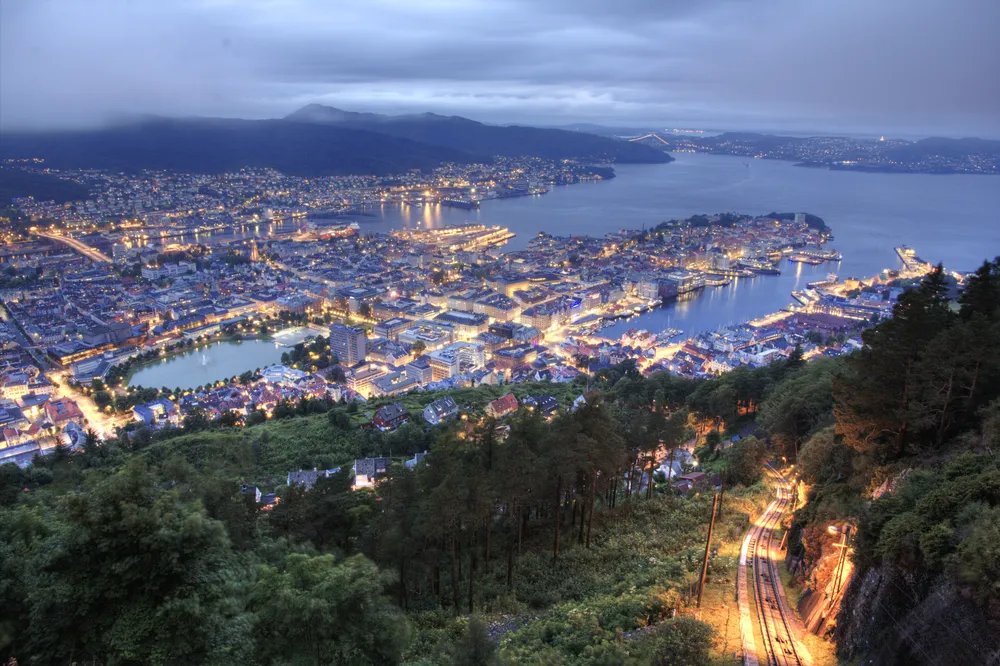
The Bryggen wharf, a row of colored wooden warehouses lining the eastern side of the Vågen harbour and a UNESCO World Heritage Site, is the most immediate visual symbol of Bergen's medieval identity as a Hanseatic trading post. The German Hanse merchant community maintained a kontor (trading post) here from 1360 to 1754, and the current buildings - rebuilt after fires, most recently in 1702 - preserve the spatial organization of the medieval commercial district with its alleys, storehouses, and assembly rooms at a human scale that makes it one of the most legible surviving pieces of medieval commercial urban fabric in northern Europe. The Bryggens Museum, built over the excavations of the 12th-century Hanseatic settlement uncovered after the 1955 fire, displays the finds in situ and documents the layered history of the site. The Hanseatic Museum in one of the original wooden buildings preserves the rooms, equipment, and social conditions of the Hanse merchants in period-furnished interiors that include the sleeping quarters where apprentices were forbidden to light fires against the cold. The Bergen International Festival in May and June, the oldest and largest arts festival in Norway, programs classical music, opera, theatre, and visual art across the city for two weeks and draws an international audience to the city. The KODE art museums in Bergen, a system of four museum buildings around Byparken housing the collections of the Bergen Art Museum and several specialist collections, hold the most significant assemblage of Norwegian and international art outside Oslo, including major holdings of Edvard Munch, the Norwegian Romantics, and one of the largest collections of Nikolai Astrup anywhere. The Bergenhus Fortress, one of the oldest and best-preserved medieval fortresses in Scandinavia and housing the Håkon's Hall from 1261 and the Rosenkrantz Tower from 1560, dominates the entrance to the Vågen harbour from the northwest. The Fløibanen funicular, running from the city center to the summit of Mount Fløyen at 320 metres, is the most used public transport line in Bergen by passenger count and provides the standard panoramic view of the city, the fjords, and the surrounding mountains that every visitor to Bergen takes and that consistently justifies the reputation of its setting.