
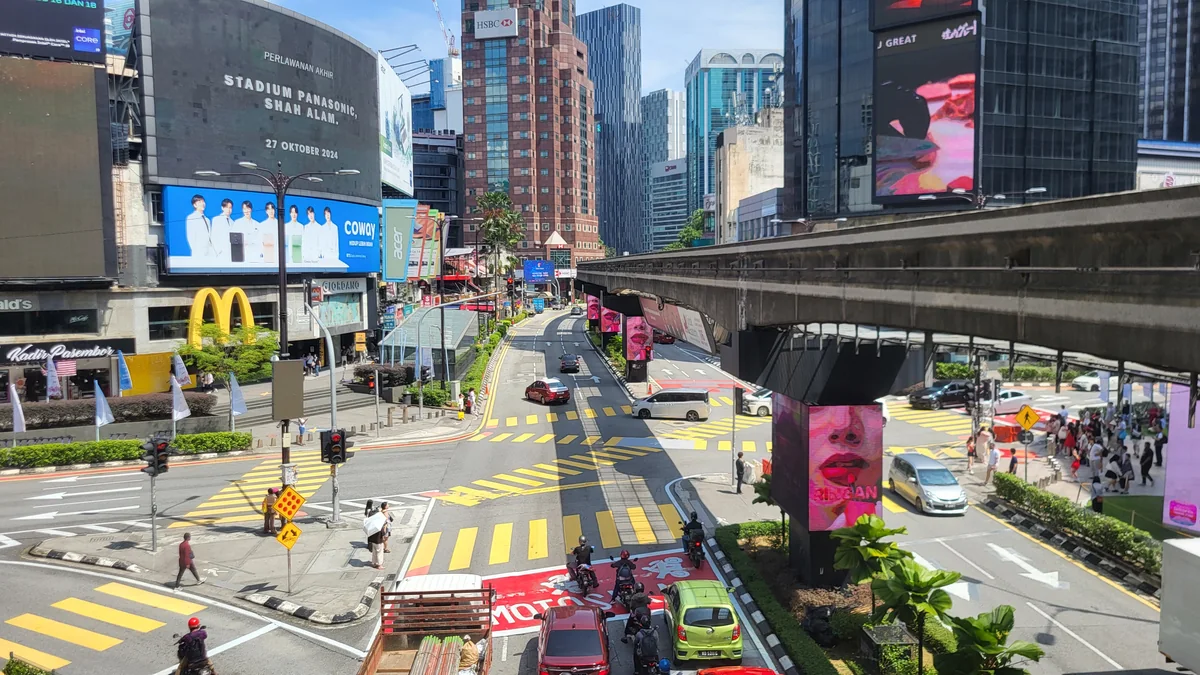
Malaysia is a country of remarkable diversity whose Malay, Chinese, Indian, and indigenous communities have produced a cultural richness that rewards exploration at every level. Kuala Lumpur is a modern, fast-growing metropolis with a nightlife and food scene that significantly exceeds what its international profile would suggest. Penang's George Town is one of the great food and heritage cities in Southeast Asia. The country's national parks, including Taman Negara, one of the oldest rainforests in the world, offer nature experiences that have no equivalent on the peninsula.
Music and Live Events
Malaysia's music scene reflects the diversity of its population. Malay pop (often called Muzik Melayu) is the dominant commercial form, with a large domestic industry of artists, television programs, and live events. Malaysian Chinese pop, influenced by Taiwan and Hong Kong, has its own ecosystem of artists and events. Indian music traditions including Tamil film music and classical Carnatic and Hindustani music have active communities particularly in the Klang Valley. A growing indie and alternative scene in Kuala Lumpur has produced artists working across genres including indie rock, electronic, hip-hop, and folk. The city has developed as a regional hub for international touring acts, with major venues attracting artists on Southeast Asian legs of global tours. Traditional Malay performing arts including wayang kulit (shadow puppetry) and gamelan music remain living traditions.
Nightlife
Kuala Lumpur has a more active nightlife than its reputation outside Malaysia suggests. The Bukit Bintang area is the primary nightlife and entertainment district, with a concentration of clubs, bars, karaoke venues, and rooftop bars that operate late into the night. The KLCC area around the Petronas Towers has higher-end options oriented toward the business community and tourists. Changkat Bukit Bintang is a street of predominantly expatriate-oriented bars with a more casual character. Penang's George Town, while quieter in terms of clubs, has a bar and cafe culture that suits its heritage character. Alcohol is legally available for non-Muslims and is widely sold, though prices reflect the combination of import duties and taxation.
Heritage, Culture, and Nature
Malaysia's cultural heritage reflects its history as a trading crossroads at the meeting point of Chinese, Indian, Islamic, and European influences. George Town in Penang is a UNESCO World Heritage Site, with one of the best-preserved collections of pre-war shophouse architecture in Southeast Asia, remarkable street art, and a multicultural built environment that makes walking its streets genuinely absorbing. The Batu Caves outside Kuala Lumpur, a Hindu temple complex inside limestone caves accessed by 272 rainbow-colored steps, is one of the most visited religious sites in Malaysia. Taman Negara national park, estimated to be 130 million years old, is one of the world's oldest rainforests and contains a biodiversity that has no parallel outside of comparable tropical environments.
Food Culture
Malaysian food is widely regarded by serious food travellers as one of the great culinary experiences in the world. The combination of Malay, Chinese, Indian, and Peranakan (Straits Chinese) cooking traditions, each with their own ingredients, techniques, and cultural contexts, produces a variety that makes eating in Malaysia a series of genuinely different experiences. Nasi lemak, fragrant rice cooked in coconut milk served with sambal, fried anchovies, peanuts, and cucumber, is the national dish and is eaten at any time of day. Laksa, in its many regional variations (Penang laksa with mackerel and tamarind, Sarawak laksa with coconut milk, and the curry laksa of Kuala Lumpur), is a dish that rewards comparison across locations. The char kway teow of Penang, stir-fried flat rice noodles with prawns, cockles, and lap cheong, is considered by many to be the finest street food dish in the world when executed by the best practitioners.
Sport and Outdoor Activities
Badminton is Malaysia's most successful sport in international competition, with players including Lee Chong Wei reaching the highest levels of the world game. The passion for badminton extends from elite competition to everyday recreational play across all communities. Football is widely followed, with the Malaysian Super League and strong support for European leagues through television broadcasts. The Sepang International Circuit hosted Formula 1 Malaysian Grand Prix from 1999 to 2017 and continues to host motorsport events. Malaysia's tropical rainforests, islands, and highland regions support a range of outdoor activities including jungle trekking, cave exploration, river rafting, and diving. The dive sites around the island of Sipadan in Sabah are considered among the finest in the world.
Festivals and Celebrations
Malaysia's multicultural character produces one of the most varied festival calendars in the world. Hari Raya Puasa at the end of Ramadan involves open house celebrations where Malaysians of all backgrounds visit the homes of Malay friends and colleagues, an expression of the social integration that characterises Malaysian life at its best. Chinese New Year brings lion dances, fireworks, and family gatherings to the Chinese community and is celebrated visibly across the whole country. Deepavali sees the Indian community illuminate their homes and celebrate with sweets, new clothes, and family visits. Thaipusam at the Batu Caves is one of the most visually dramatic religious events in Southeast Asia, involving pierced devotees carrying kavadi (elaborate structures) up the 272 steps to the temple. National Day on 31 August marks independence with parades and celebrations across the country. Kuala Lumpur has developed into a significant MICE destination in Southeast Asia. The Kuala Lumpur Convention Center in the KLCC district hosts major international medical congresses, technology conferences, and Islamic finance events throughout the year. Malaysia's position as one of the world's leading centers for halal industry and Islamic finance generates a distinct calendar of professional events that draw participants from across the Muslim world. The government's active promotion of MICE tourism has resulted in substantial convention infrastructure and competitive pricing relative to Singapore, making KL a practical alternative for large-scale international events.