
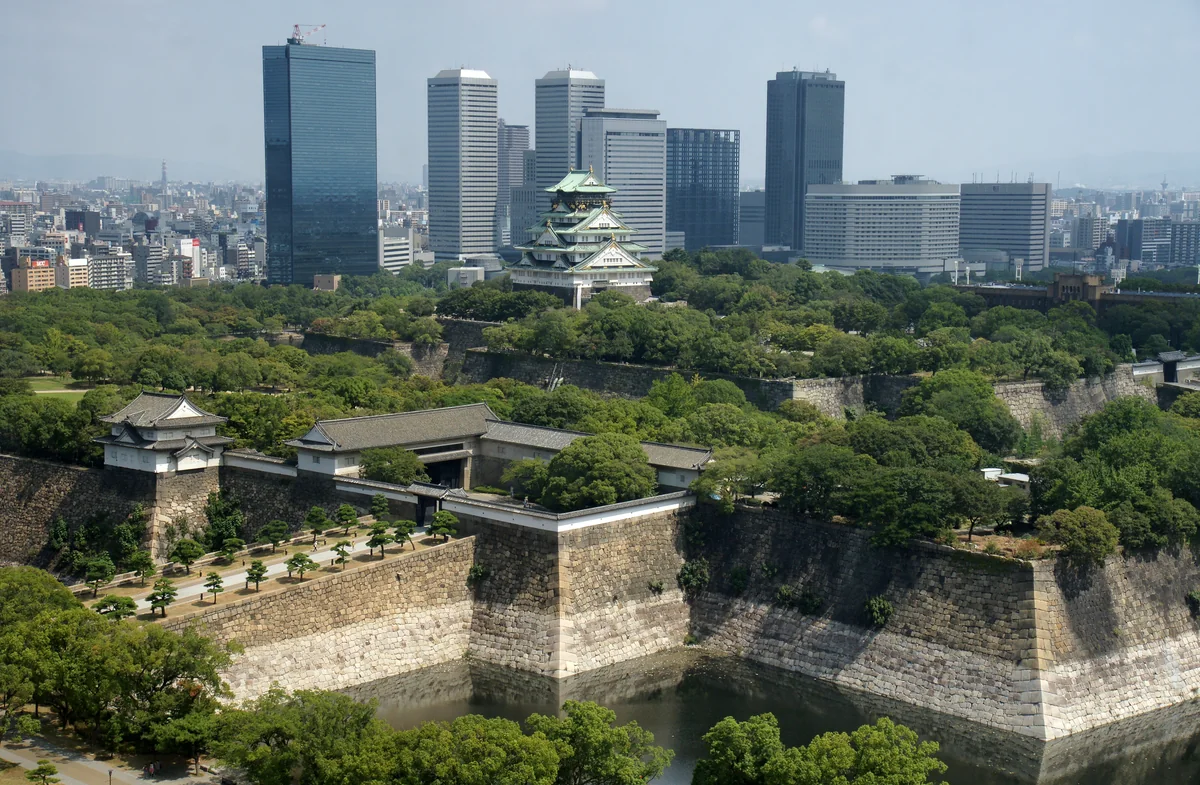
Japan presents a cultural experience that is genuinely unlike anything available elsewhere. The combination of traditional performing arts with extraordinary contemporary creativity, ancient festivals with cutting-edge technology, and an attention to craft and quality that operates at every level of daily life creates a country that rewards curiosity at every turn. Tokyo, Osaka, Kyoto, Fukuoka, Hiroshima, Sapporo, and Nagoya are each substantial cultural centers in their own right, and the contrast between the traditional and the contemporary is neither conflict nor performance but simply the texture of how Japanese culture works.
Live Music
Japan has one of the most distinctive and internally varied music scenes in the world. J-pop and J-rock are enormous domestic industries with their own ecosystems of artists, venues, fan cultures, and media that operate largely independently of the Western music industry. The idol culture, in which carefully managed groups of singers build intensely loyal fan bases through regular performances, handshake events, and physical releases, is a major entertainment industry that has no real equivalent elsewhere. Visual Kei, the genre built around elaborate theatrical costumes and glam aesthetics, has produced globally influential artists. Jazz has deep roots in Japanese cultural life: Tokyo has more jazz clubs than almost any city in the world, and the standard of musicianship in the domestic jazz scene is genuinely high. Classical music is taken very seriously: Japanese orchestras and pianists perform at the highest international standard, and concert ticket demand for major classical performers is intense. Electronic and dance music have a strong presence in clubs in Tokyo, Osaka, and Fukuoka.
Nightlife
Japanese nightlife is dense, varied, and operates according to social conventions that differ from European models in significant ways. Izakayas, the Japanese equivalent of gastropubs, are the default setting for after-work socialising: informal, focused on sharing food and drinking at a relaxed pace, and available at every price point from cheap chain operations to intimate speciality venues. Tokyo's Shinjuku, Shibuya, and Roppongi districts each support large concentrations of bars, clubs, and live music venues operating across different demographics and music styles. Golden Gai in Shinjuku is a warren of tiny bars, each seating fewer than ten people, that has survived as one of the most atmospheric drinking environments in the world. Osaka has a more extrovert nightlife culture than Tokyo, concentrated in the Namba and Amerika-mura areas. Late-night ramen eaten at the counter of a small shop after midnight is a distinctly Japanese version of the after-hours meal that visitors tend to remember for the rest of their lives.
Traditional Arts and Culture
Japan's traditional performing arts represent some of the most sophisticated theatrical traditions in the world. Kabuki theatre, with its elaborate costumes, stylised movement, and distinctive musical accompaniment, has been performed continuously for over four hundred years and remains a living performance tradition with dedicated theatre buildings in Tokyo and Osaka. Noh theatre is older, slower, and more austere, involving masked performers in a tradition that influenced the development of Western modernist theatre. Bunraku, the puppet theatre tradition of Osaka, uses large puppets operated by three visible operators and achieves emotional effects that rival any live actor. Tea ceremony, calligraphy, ikebana flower arranging, and ceramics are all living craft traditions with active practitioners and public events. Contemporary Japanese art and design have enormous international influence, and the country's manga and anime culture is one of the largest creative exports in the world.
Food Culture
Japanese food culture is considered by serious food writers to be the deepest and most technically developed in the world. Tokyo has more Michelin stars than any other city, but that fact is less interesting than the breadth and quality of everyday eating: a bowl of ramen from a counter in a train station corridor, sushi from a neighbourhood restaurant without international pretensions, and a convenience store onigiri can each be genuinely excellent in ways that would not be true in most countries. The regional variety is substantial: Osaka is known for its street food culture and its claim that its residents spend a disproportionate amount of income on eating; Kyoto's kaiseki cuisine is a seasonal tasting tradition of extraordinary refinement; Fukuoka's hakata ramen is considered a benchmark of the form; Hokkaido's dairy produce and seafood are of exceptional quality. The izakaya format of shared small plates, eaten slowly over the course of an extended evening, is one of the most sociable and satisfying ways of eating that exists.
Sport
Baseball is Japan's most popular spectator sport and has been embedded in the culture since the late 19th century. The Nippon Professional Baseball league commands huge audiences and develops players who regularly progress to Major League Baseball in the United States. The baseball stadium experience in Japan is distinctive: organized cheering sections, club-specific songs, and a level of coordinated supporter behavior that makes attending a game a cultural event in itself. Sumo is the traditional national sport and retains a deep cultural significance: the six annual honbasho tournaments in different cities draw large audiences and considerable media coverage. Football has grown substantially in popularity, and the J-League has attracted several significant international players in the later stages of their careers. The martial arts traditions of judo, kendo, karate, and aikido are practised widely as both competitive sports and cultural disciplines.
Festivals and Seasonal Events
Japan's calendar is structured by a series of matsuri (festivals) and seasonal events that connect contemporary life to much older traditions. Cherry blossom (hanami) season in late March and April turns parks, riverbanks, and temple grounds into gathering places for picnics and parties under the flowering trees, an experience that is simultaneously beautiful and deeply communal. Obon in August is a Buddhist festival in which the spirits of ancestors are welcomed back, celebrated with lantern floating on water, outdoor bon odori dancing, and family gatherings. Gion Matsuri in Kyoto in July is one of the oldest and most spectacular urban festivals in the world, involving elaborate float processions through the city center. Winter in Sapporo involves the Snow Festival, where enormous ice sculptures transform the city's central park. New Year (Oshogatsu) is the most important holiday in the Japanese calendar, involving temple visits at midnight, traditional foods, and family reunions that give the period between December 31 and January 3 a distinct and memorable character. Japan also supports a major professional events calendar. The Japan Mobility Show (formerly Tokyo Motor Show) at Tokyo Big Sight is one of the world's most significant automotive industry events. Tokyo Game Show is the largest video game industry event in Asia. CEATEC at Makuhari Messe showcases Japanese electronics and technology innovation. Japan's convention infrastructure in Tokyo, Osaka, Kyoto, and Yokohama is of high quality, and the country attracts international medical, scientific, and professional congresses through its reputation for organization and hospitality.