
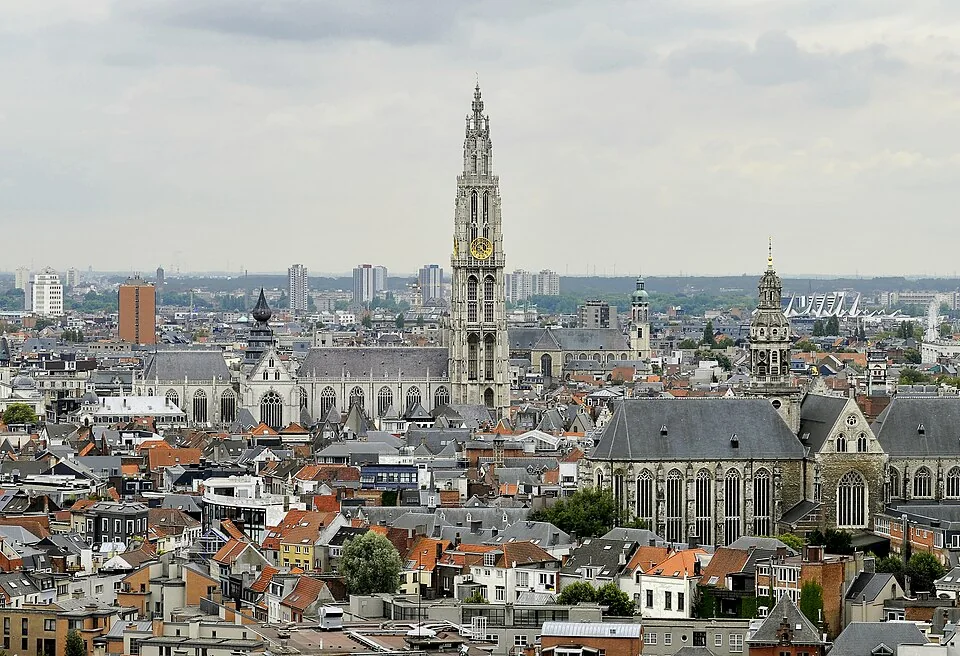
Belgium is a small country with outsized cultural contributions and a reputation for producing excellent things in quiet abundance: chocolate, beer, waffles, cycling, Flemish Old Master painting, and electronic dance music, to name the most prominent. Brussels functions as both the Belgian capital and the de facto capital of the European Union, giving the city an international character that coexists with a strong local identity. Bruges is one of the best-preserved medieval city centers in Europe. Ghent is considered by many Belgians to be the most livable city in the country, with a university, a music scene, and a food culture that combine well. Antwerp is a global center for the diamond trade and fashion, with a cultural scene that reflects both.
Music and Electronic Culture
Belgium's contribution to electronic dance music has been significant and consistent over four decades. The New Beat genre emerged from Belgian clubs in the late 1980s and was one of the precursors to the rave culture that transformed European nightlife in the 1990s. Tomorrowland, the electronic music festival held every July in the town of Boom between Brussels and Antwerp, has become the most globally watched electronic music festival in the world, with a theatrical production scale and international attendance that defines a certain idea of the festival as spectacle. The festival's livestreams draw millions of viewers globally each year. Belgian electronic music producers and DJs continue to be disproportionately represented at the top of the international dance music industry. Beyond electronic music, Belgium has a strong jazz tradition, an active indie and rock scene, and a classical music culture supported by the Belgian Philharmonic and opera companies in Brussels, Ghent, and Liege.
Nightlife
Brussels's nightlife is more active and interesting than the city's reputation as a bureaucratic capital might suggest. The Saint-Gery area near the city center is the primary bar district, with a concentration of venues ranging from casual neighbourhood bars to cocktail bars and small clubs that operate through the week. The Matongé neighbourhood, Brussels's African quarter, has a distinct nightlife culture with bars and music venues reflecting the city's large Congolese community. Antwerp's nightlife is concentrated around the Meir shopping street and the Zirkstraat area, with a generally higher quality of venue than Brussels at the premium end of the market. Ghent's nightlife benefits from the presence of the university and has a consistent local character that makes it feel less tourist-oriented than Bruges.
Art, Heritage, and Comics
Belgium's contributions to visual art are substantial across very different traditions. The Flemish Old Masters, including Jan van Eyck, Pieter Bruegel the Elder, and Peter Paul Rubens, represent some of the most significant painting in European history, and the Musees Royaux des Beaux-Arts in Brussels and the Rubenshuis in Antwerp hold major collections. Art Nouveau architecture, developed in Belgium by Victor Horta among others, transformed Brussels's built environment at the turn of the 20th century with a series of townhouses and public buildings that are UNESCO World Heritage Sites. Belgian comic book culture, which gave the world Tintin (Herge) and the Smurfs (Peyo), is taken seriously as an art form and has its own museum (the Center Belge de la Bande Dessinee) and a tradition of street murals across Brussels. Surrealism found a distinctive Belgian expression in the work of Rene Magritte and Paul Delvaux.
Food and Beer
Belgian food and drink culture is one of the most serious in Europe in the sense of treating both as subjects worthy of deep expertise and careful attention. Belgian chocolate, made by a tradition that developed in the 19th century using techniques including the praline (invented by Belgian confectioner Jean Neuhaus in 1912), is of a quality that justifies its international reputation. Belgian waffles exist in two distinct forms: the Liege waffle (denser, with pearl sugar caramelised into the batter, eaten warm from a street stall) and the Brussels waffle (lighter, crispier, eaten with toppings). Belgian beer culture is the most complex in the world: the diversity of styles, which includes Trappist ales brewed by monks in monasteries, lambic and gueuze beers fermented with wild yeasts, saisons, witbiers, and strong golden ales, has no equivalent anywhere. Moules-frites, mussels with Belgian frites and mayonnaise, is considered a Belgian national dish despite the French name.
Cycling and Sport
Cycling in Belgium is not a sport but a cultural institution. The spring classics, a series of one-day professional cycling races held between March and May, are the most important races in the sport after the Tour de France and are watched with an intensity that makes them genuinely significant national events. The Tour of Flanders, known in Flemish as De Ronde, is the most revered race among Flemish Belgians: a race over the short, steep cobbled climbs of the Flemish Ardennes that produces dramatic racing and draws enormous crowds to line the roads. Liege-Bastogne-Liege, the oldest classic race still running, is similarly venerated. Eddy Merckx, the greatest cyclist in the history of the sport by most measures, is Belgian, and the cycling culture he embodied continues to sustain a participation base and spectator culture that makes Belgium unique in road cycling.
Festivals and Events
Belgium's festival calendar is rich relative to the country's size. Tomorrowland is the most internationally visible Belgian event, but the broader festival landscape is varied and interesting. The Ghent Festival in July is a ten-day free street festival that transforms the entire city center into a performance space, with music, theatre, and street performance across dozens of stages and locations. The Carnaval de Binche, held in the Walloon town of Binche in the days before Lent, is one of Europe's oldest and most distinctive carnival events, featuring the Gilles (masked carnival figures who throw oranges into the crowd) in a procession that is UNESCO Intangible Heritage. Belgian National Day on 21 July marks independence with a military parade in Brussels and public celebrations across the country. The Bruges Beer Festival, Antwerp Pride, and the Brussels Jazz Festival all contribute to a festival calendar that offers genuine variety across genres and communities. Brussels carries particular significance as a professional events destination. As the de facto capital of the European Union and the seat of NATO, the city hosts a continuous program of high-level summits, diplomatic conferences, and policy events that makes it one of the busiest meeting cities in the world. Square Brussels Meeting Center and Brussels Expo both operate as major convention facilities. Antwerp's diamond and fashion industries generate specialist trade events, and the country's excellent rail connectivity to Amsterdam, Paris, and London makes it a practical base for events that draw attendees from across northern Europe.