The Scheldt, the Port and Antwerp's Maritime and Industrial Heritage
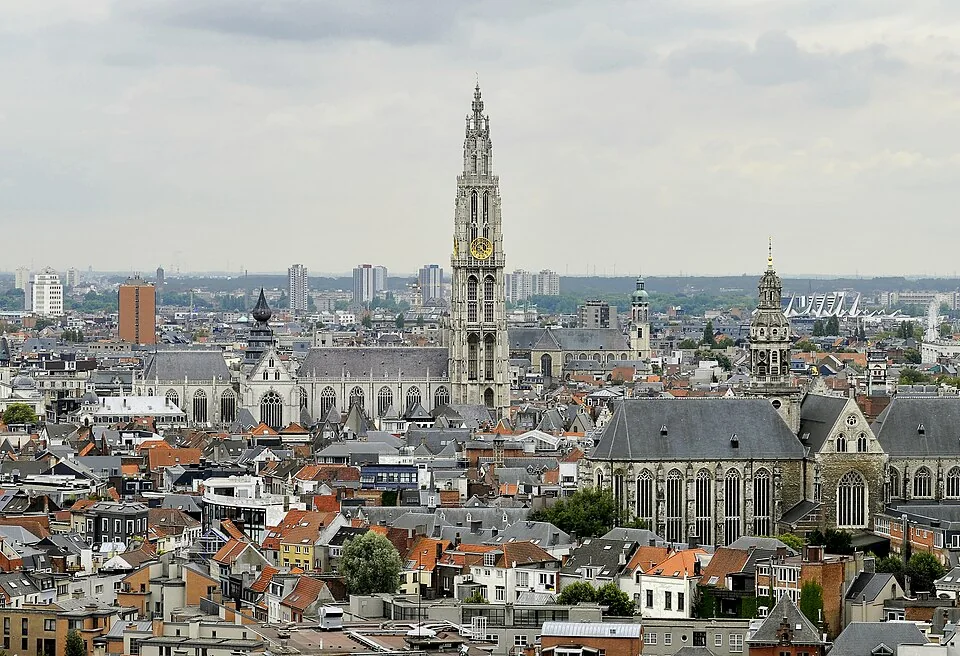
Antwerp's position as the second-largest port in Europe - after Rotterdam - has shaped its physical form, its wealth, and its cosmopolitan character since the 16th-century Golden Age when it was the most important trading city in the world. The port complex north of the city center, the largest in Europe by total cargo volume after Rotterdam, is not generally accessible to the public, but the Museum aan de Stroom (MAS) on the former dock quays presents the city's history through collections of port archaeology, ethnography, and world trade in a tower building whose rooftop observation deck provides the most panoramic view of the city, the river, and the port available from any accessible structure. The Eilandje district around the MAS, formerly a derelict dock area, has been transformed into a neighbourhood of galleries, restaurants, and residential conversions anchored by the Red Star Line Museum - in the former emigration halls from which two million Europeans departed for America between 1873 and 1934. The Scheldt waterfront south of the center, with the restored Sint-Andries neighbourhood and the Zurenborg district of Art Nouveau bourgeois housing, extends the city's heritage circuit beyond the established center into streets whose character reflects Antwerp's 19th-century commercial prosperity. The Plantin-Moretus Museum, a UNESCO World Heritage Site and the only printing workshop in the world on the UNESCO list, preserves intact the Renaissance printing house of Christophe Plantin who produced the most important scholarly editions of the 16th century including the Biblia Regia polyglot Bible, with original Gutenberg presses, copper engraving plates, and the account books of a business that supplied the intellectual world of early modern Europe. The Rubens House, where Peter Paul Rubens lived and worked from 1616 until his death in 1640, is the most visited house museum in Belgium and preserves the studio, living quarters, and Italianate garden of the artist who defined the Flemish Baroque and whose works are distributed through the major churches and museums of the city in a density that makes Antwerp the city most saturated with his production. The Koninklijk Museum voor Schone Kunsten, reopened in 2022 after twelve years of renovation, holds the national collection of Flemish Masters alongside modern and contemporary Belgian art in a building whose restored galleries are among the finest in the Low Countries.