
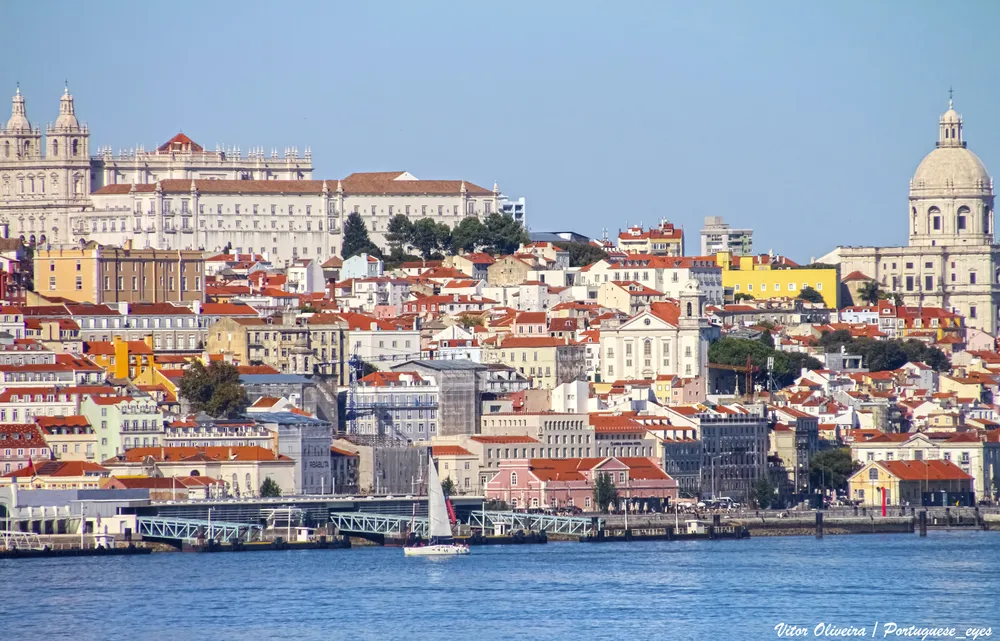
Portugal has experienced a remarkable cultural renaissance over the past decade that has brought international attention to a country long overlooked by northern European tourism. Lisbon and Porto have both developed into destinations with genuine cultural depth, strong food and music scenes, and a social life that reflects the warmth and informality of Portuguese culture. Beyond the two principal cities, the Alentejo, the Douro Valley, the Algarve coast, and the university city of Coimbra each offer distinct experiences that reward time spent exploring at a slower pace.
Fado and Live Music
Fado is Portugal's most distinctive contribution to world music and one of UNESCO's Intangible Cultural Heritage traditions. It is music of profound emotional depth, built around themes of longing, fate, and the sea, performed by a solo vocalist accompanied by the Portuguese guitarra and viola baixo. Lisbon's fado houses (casas de fado) in the Alfama and Mouraria neighbourhoods provide the most authentic context for experiencing the tradition, though tourist-oriented performances exist across the city. Coimbra has its own distinct fado tradition, sung exclusively by men in academic robes, with a different repertoire and performance context. Beyond fado, Lisbon has developed a genuinely interesting contemporary music scene with strong connections to African music traditions from Portugal's former colonies: kuduro, kizomba, and semba all have active communities in Lisbon. Porto has a strong indie rock and alternative scene, and the summer festival circuit programs international artists to large outdoor venues across the country.
Nightlife
Lisbon's nightlife has an international reputation that has grown substantially in the past decade. The Bairro Alto neighbourhood operates as an open-air bar district on weekend evenings: hundreds of people with drinks in hand move between bars and into the street in a way that makes the boundary between indoor and outdoor irrelevant. The Pink Street (Rua Nova do Carvalho) in Cais do Sodre has a higher density of clubs and music bars. The LX Factory, a converted industrial complex in the Alcantara neighbourhood, hosts clubs, markets, restaurants, and cultural events in a setting that has become one of the most interesting urban spaces in the city. Porto's Ribeira district and the streets of the Baixa support an active bar and club scene that runs later than the city's daytime character might suggest. The Algarve coast runs large outdoor club and beach events through the summer months.
Culture and History
Portugal's cultural heritage reflects its position as a small country that was once a major global maritime power with connections across Africa, Brazil, India, and East Asia. The azulejo tile tradition, which covers everything from palace interiors to railway station walls to ordinary house facades with hand-painted blue and white ceramics, is one of the most distinctive visual arts traditions in Europe. The Museu Nacional do Azulejo in Lisbon and the Fundacao Calouste Gulbenkian hold collections of international significance. The Gulbenkian, funded by an Armenian oil magnate's collection gifted to Portugal, contains an unusually eclectic and high-quality collection of art from ancient Egypt to Impressionism. Contemporary Portuguese cinema, visual art, and architecture have all developed international profiles. Literary culture is strong, and the legacy of Fernando Pessoa, the early 20th-century poet who wrote under dozens of distinct personas, casts a long shadow over Portuguese cultural life.
Food and Wine
Portuguese food is rooted in simplicity and quality: excellent seafood, outstanding olive oil, good bread, and wine that represents some of the best value in Europe. Bacalhau, salted dried cod, is the national ingredient with dozens of preparation methods, each associated with a particular region or occasion. Pasteis de nata, the custard tarts sold in every cafe in the country, are one of the great street food pleasures of European city life. The Alentejo produces wines of considerable quality from indigenous grape varieties that are increasingly well-regarded internationally. The Douro Valley, which produces Port wine as well as excellent dry reds, is one of the most beautiful wine regions in the world and the source of wines that have won significant international attention. Vinho Verde from the northwest is a light, slightly sparkling white wine that is perfectly suited to the country's seafood culture. Lisbon's food market culture, including the Mercado da Ribeira, has developed into a major urban food destination.
Surfing, Sport, and the Outdoors
Portugal has some of the best surfing in Europe. The Atlantic coast from Ericeira, just north of Lisbon, to the beaches around Peniche and Nazare provides consistent quality waves across the year. Nazare is home to one of the most extreme big wave breaks in the world, regularly producing waves of sixty feet or more that have attracted the world's most committed big wave surfers. Ericeira is a UNESCO World Surfing Reserve. The Algarve coast offers gentler conditions suitable for learning. Cycling in Portugal has grown significantly, with the country's varied topography supporting road cycling, gravel riding, and mountain biking across multiple regions. Football is the dominant sport: Benfica, Porto, and Sporting Lisbon are European clubs of genuine quality with passionate domestic followings, and the Portuguese national team has been one of the most successful in international competition in recent years.
Festivals and Events
Portugal's festival calendar combines ancient traditions with contemporary music events of international significance. The Festas de Lisboa in June celebrate the city's patron saint with street parties, sardine grills, and concerts across every neighbourhood, creating a month-long celebration that is genuinely participatory rather than tourist-oriented. The Festa de Sao Joao in Porto on the night of 23-24 June involves the entire city going out simultaneously, with plastic hammers used to tap strangers on the head as a friendly greeting and grilled sardines eaten in the street at midnight. NOS Alive and NOS Primavera Sound are both internationally respected music festivals that program major artists to outdoor venues in Lisbon and Porto respectively. The Fantasporto film festival in Porto is one of the oldest and most respected genre film festivals in Europe. Wine harvest festivals across the Douro and Alentejo in September and October draw visitors from across the country and internationally.