Things To Do in Lisbon Portugal

Discover events, experiences, and everything the city has on offer in Lisbon. Browse the full event calendar or read the guide below.

Things To Do in Lisbon

Discover events, experiences, and everything the city has on offer in Lisbon. Browse the full event calendar or read the guide below.

Fado, Music and the Soul of the City

Fado is a uniquely Lisbon art form: a music of longing, fate, and seafaring melancholy that developed in the city's Alfama and Mouraria districts in the nineteenth century and has remained a living tradition rather than a heritage exhibit. The saudade, the untranslatable Portuguese concept of nostalgic yearning, finds its most complete expression in fado, and an evening in a small casa de fados in the Alfama, where the audience observes a strict silence during performance, is one of the most culturally specific experiences available in any European city. Fado was inscribed on the UNESCO Intangible Cultural Heritage list in 2011. The Museu do Fado in Alfama provides the definitive introduction to the tradition's history and key figures.

Hills, Trams and the City's Architecture

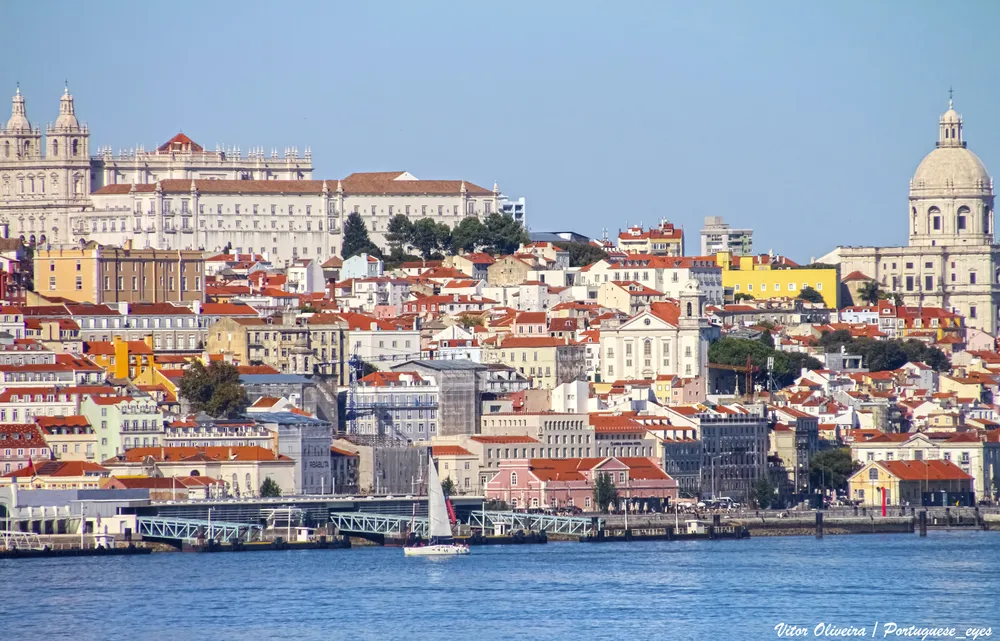
Lisbon is built across seven hills above the Tagus estuary, and the experience of the city is inseparable from the experience of its topography: the miradouros (viewpoints) at Portas do Sol, Santa Luzia, and Graça offer views across the terracotta roofscapes toward the river and the Atlantic beyond it. The yellow Eléctrico 28, the iconic tram that runs through the Alfama, Baixa, and Estrela, is the most photographed public transport vehicle in Europe and a functioning part of the city's network rather than a tourist conceit. The Alfama district, largely spared by the 1755 earthquake that destroyed most of the city, retains its Moorish street plan and small-scale medieval character. The Belém waterfront, with the Jerónimos Monastery and the Tower of Belém, represents the Manueline style that is Portugal's specific contribution to European architecture.

Food, Pastries and the Lisbon Table

Lisbon's food culture is built on Atlantic seafood, pork, bread, and the extraordinary pastry tradition of a country whose monastic kitchens developed recipes still made to the same specifications today. The pastel de nata, a custard tart in a flaky pastry shell dusted with cinnamon, is made with a recipe developed at the Jerónimos Monastery in Belém and sold at the original bakery since 1837. Salt cod (bacalhau) is prepared in over a thousand different ways in Portuguese cooking and is the defining ingredient of the national cuisine. The Time Out Market in Cais do Sodré, which opened in 2014, was the prototype for the quality food hall format that has since been replicated in cities worldwide.

Atlantic Heritage and Seafaring History

Lisbon is the city from which the Portuguese maritime empire was organized and dispatched: the expeditions that rounded the Cape of Good Hope, reached India, and landed in Brazil all departed from the Tagus or were planned in the city's institutions. The Museu Nacional de Arte Antiga holds the most important collection of Portuguese art from the fifteenth and sixteenth centuries, including works that document the contact between Portuguese sailors and the peoples of Africa and Asia. The Padrão dos Descobrimentos monument on the Belém waterfront commemorates the Age of Discovery in a form that has generated sustained debate about how a country should memorialise an imperial past. The city's relationship with the Atlantic remains visible in the wind, the light, and the persistence of maritime vocabulary in everyday life.

Neighbourhoods, Regeneration and the Contemporary City

Lisbon has undergone the most significant urban transformation of any western European capital in the past decade, driven by a combination of tourism, international investment, and a young creative population that chose to remain in the city rather than emigrate as previous generations did during the economic crisis. The LX Factory on the south bank of the Tagus, a cluster of converted 19th-century industrial buildings housing independent restaurants, design studios, bookshops, and a Sunday market, was one of the earliest and most successful urban regeneration projects in the city and established a model that has since been replicated across multiple districts. The Mouraria neighbourhood surrounding the old Moorish quarter below the Castle has maintained its multicultural character as a community of Cape Verdean, South Asian, and Chinese residents alongside the Portuguese families who have lived there for generations, producing a food culture and daily life that differs substantially from the tourist-facing Alfama immediately above it. The Intendente square and the Anjos neighbourhood to the north have developed an independent bar and restaurant scene over the past decade that reflects the city's younger creative community. The Museu Coleção Berardo in the Belém Cultural Center holds one of the most significant collections of modern and contemporary art in Portugal, and the new MAAT (Museum of Art, Architecture and Technology) on the waterfront has become one of the most architecturally distinguished new cultural buildings in the country. The city's position on the Tagus estuary means that the Atlantic is always present: the light, the wind, and the smell of the sea are characteristics of Lisbon that no photograph fully captures. The city's growing reputation as a European technology and startup hub, anchored by the Web Summit's long-term commitment to Lisbon as its host city and by the Startup Lisboa incubator program, has added a new economic dimension to a city that has historically been defined by its maritime past and its creative and cultural inheritance.

More Cities in Portugal
Ready to find events in Lisbon?

Browse concerts, club nights, festivals, cultural events, and more. Book directly with the organizer.

Running an event in Lisbon? Create a free listing
Browse Events in Lisbon