
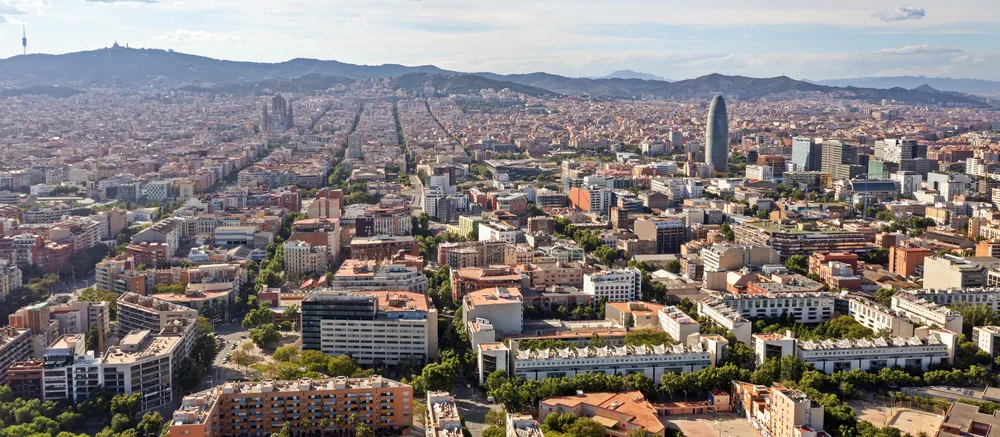
Spain is a country of powerful regional identities and a social culture built around staying out late, eating well, and using public space with an ease that visitors from northern Europe find disorienting in the best possible way. Madrid, Barcelona, Seville, Valencia, Bilbao, and Granada are each distinct enough in language, architecture, food, and cultural character that treating them as interchangeable parts of the same country does a disservice to all of them. Spanish nightlife, music, and festival culture are internationally recognised for reasons that become obvious the moment you participate in them.
Live Music and Flamenco
Spain has two live music cultures that are almost entirely distinct. Flamenco is a performing art of extraordinary depth and emotional power, rooted in Andalusia and carrying the cultural influences of the Roma, Moorish, and Jewish communities that shaped southern Spain over centuries. Seville, Jerez de la Frontera, and Granada are the principal cities for experiencing flamenco in its most authentic contexts, though tablaos (flamenco performance venues) operate in every major Spanish city. The popular music scene beyond flamenco is large and varied: Madrid has a strong indie and rock scene rooted in the Movida cultural movement of the 1980s, Barcelona has an internationally connected electronic and festival scene, and Valencia has produced significant electronic music artists. Summer outdoor festivals across the country program international and Spanish artists to large audiences.
Nightlife
Spanish nightlife operates on a schedule that surprises most visitors: dinner rarely begins before 9pm, pre-drinks in bars run until midnight or later, and clubs do not fill until 2am, continuing until 6am or beyond. This is not an affectation but a deeply embedded social rhythm, and understanding it is essential to experiencing Spanish nightlife on its own terms. Barcelona's club scene has an international reputation earned over three decades of quality booking and venue culture. Madrid's Malasana and Chueca neighbourhoods run diverse and active bar and club scenes seven nights a week. Valencia and Seville both sustain strong nightlife cultures, and the coastal resort towns of the Balearic Islands and the Costa del Sol operate summer club and beach event scenes that draw international visitors specifically for the music.
Culture and the Arts
Spain's cultural institutions include some of the most significant art collections and architectural achievements in the world. The Prado in Madrid holds the largest collection of Spanish painting in existence and is one of the principal art museums in the world. The Reina Sofia, a few minutes walk from the Prado, houses Picasso's Guernica and a major collection of 20th-century art. The Guggenheim Museum Bilbao is not just a collection but an architectural event that transformed the city and demonstrated the cultural and economic power of ambitious arts investment. Gaudi's buildings in Barcelona are unique in the history of architecture and draw millions of visitors annually. Spanish cinema, from Bunuel through Almodovar to contemporary filmmakers, has a distinguished international profile. The country's theatre, dance, and flamenco performance traditions sustain a live culture of real quality.
Food and Drink
Spanish food culture is organized around sharing, sociality, and the pleasure of taking time over eating. The tapas tradition, in which small dishes are ordered sequentially over the course of an extended evening, is one of the most genuinely social ways of eating that exists. In the Basque Country, the pintxo bars of San Sebastian and Bilbao represent the pinnacle of this culture: small bites of extraordinary quality, lined along bar counters, eaten standing up in a sequence of bars over the course of an evening. San Sebastian has more Michelin stars per capita than any other city in the world, which reflects both the quality of the cooking and the seriousness with which Basque society regards food. Wine regions including Rioja, Ribera del Duero, Priorat, and the sherry country around Jerez produce wines of international significance. Spanish markets, from the Boqueria in Barcelona to the Mercado de San Miguel in Madrid, are worth visiting for the quality of the produce alone.
Sport
Football in Spain generates a level of passion and cultural significance comparable to religion in the intensity of its hold on public life. The rivalry between Real Madrid and FC Barcelona is not simply a sporting contest but a proxy for cultural, political, and regional tensions that run through Spanish society. La Liga is one of the two most watched football leagues in the world, and matchday in either Madrid or Barcelona is an experience that goes well beyond the game itself. Basketball has a large and committed following, and the Spanish national team has been one of the most successful in international competition over the past two decades. Cycling is followed with genuine enthusiasm, particularly in the Basque Country and Catalonia where the Vuelta a Espana and its associated culture have deep roots. Tennis has produced multiple world number ones, and the clay court culture of Spanish tennis clubs sustains a broad participation base.
Festivals and Events
Spain's festival calendar is one of the most varied and distinctive in the world, combining ancient religious and civic traditions with a contemporary events culture of genuine scale. Semana Santa, the Holy Week before Easter, involves processions of extraordinary visual drama in cities across the country, with Seville and Malaga considered the most spectacular. The Feria de Abril in Seville follows Semana Santa with a week of flamenco, horses, food, and all-night partying in a purpose-built fairground. San Fermín in Pamplona is known internationally for the running of the bulls but involves a week of events across the entire city. Primavera Sound in Barcelona and Mad Cool in Madrid are among the most respected music festivals in Europe, programming a mix of established and emerging artists that attracts international audiences. For professional and business visitors, Barcelona is home to Mobile World Congress, the world's largest and most influential mobile technology event, drawing over 100,000 industry professionals annually and making Barcelona one of the most important cities on the global technology conference calendar. FITUR in Madrid is among the leading international tourism trade fairs. IBTM World, the global meetings industry trade show, is also held in Barcelona, reflecting Spain's position as a top-tier destination for corporate events and international congresses.