Things To Do in Barcelona Spain

Discover events, experiences, and everything the city has on offer in Barcelona. Browse the full event calendar or read the guide below.

Things To Do in Barcelona

Discover events, experiences, and everything the city has on offer in Barcelona. Browse the full event calendar or read the guide below.

Architecture, Modernisme and the City's Built Form

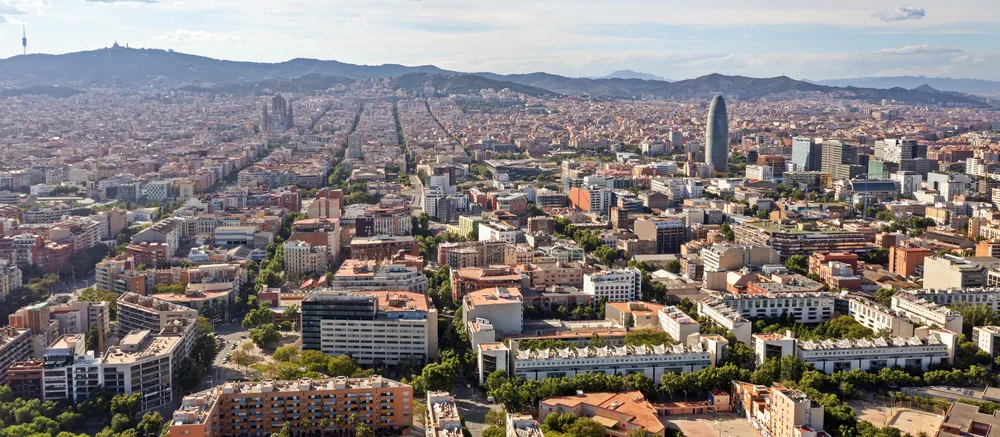
Barcelona's built environment is shaped by two things that rarely coexist: an exceptional nineteenth-century urban planning grid (the Eixample, designed by Ildefons Cerdà from 1860) and a burst of architectural invention in the Modernisme movement at the turn of the twentieth century that produced some of the most original buildings in the history of the discipline. The Sagrada Família, the basilica whose design has been under continuous construction since 1882 and whose completion is anticipated within this decade, is one of the most visited buildings in Europe and one of the most complex structural achievements in the history of religious architecture. The Casa Batlló, Casa Milà (La Pedrera), and Palau de la Música Catalana are three further UNESCO-listed buildings, each extraordinary in a different way, within a compact area of the city.

Food, Markets and the Mediterranean Table

Barcelona's food culture is Catalan rather than generically Spanish: pa amb tomàquet (bread rubbed with tomato and olive oil) is the foundation of every meal, escalivada (roasted aubergine and peppers), fideuà (a paella-style dish made with short pasta instead of rice), and crema catalana are specific to this region. La Boqueria market on Las Ramblas is the most visited food market in Spain and one of the most famous markets in the world, though the city's residents increasingly use the neighbourhood markets in the Eixample and Gràcia for their daily shopping. The fishing neighbourhood of Barceloneta at the edge of the old port retains a concentration of seafood restaurants serving fresh catches from the Mediterranean. The city has produced some of the most internationally influential restaurant cooking of the past thirty years.

Beaches, Sport and Outdoor Life

Barcelona has four kilometres of urban beaches beginning at Barceloneta and extending northeast along the coast, a resource that most large European cities do not possess and that shapes the city's outdoor culture and social calendar from May through October. The beaches, created by a major urban renewal program for the 1992 Olympic Games, transformed what had been an industrial waterfront into the most visited urban beach coastline in Spain. FC Barcelona, based at the Camp Nou stadium which is currently being rebuilt to a capacity of over 100,000, is one of the two dominant forces in Spanish and European football and an institution whose identification with Catalan cultural and political identity gives it a significance beyond sport. The Montjuïc hill above the old port offers parks, gardens, and the 1992 Olympic stadium and facilities.

Design, Fashion and Cultural Life

Barcelona's position as Spain's design and fashion capital reflects a creative tradition that is grounded in Catalan identity and has consistently produced work with international influence. The Born district and the Gràcia neighbourhood are the centers of independent fashion, design studios, and the kind of bookshop, gallery, and workshop culture that constitutes a creative economy at street level. The Museu Nacional d'Art de Catalunya (MNAC) on Montjuïc holds the world's greatest collection of Romanesque art, removed from churches across the Pyrenean region in the twentieth century and displayed in reconstructed apse settings. The Fundació Joan Miró, also on Montjuïc, holds the most comprehensive collection of work by the city's most celebrated abstract artist in a building that is itself an important work of architecture.

Neighbourhoods, the Sea and the Barcelona Beyond the Center

Barcelona's urban character is inseparable from its neighbourhood structure, and the districts that lie beyond the standard visitor circuit reward time spent on foot more generously than the more photographed areas. Gràcia, the former independent village absorbed into the city in the 19th century, retains a network of small squares, community social clubs, and independent restaurants that operate at a scale and character entirely different from the commercial city below. El Born, the medieval quarter east of the Gothic district, has developed over the past two decades into the city's most culturally concentrated neighbourhood, with galleries, design studios, and the Born Cultural Center built around the excavated remains of a 1714 neighbourhood demolished after the siege that ended the War of Succession. The waterfront of the Barceloneta neighbourhood and the Port Olímpic district, created for the 1992 Olympic Games, transformed what had been an industrial coast into 4 kilometres of urban beach accessible by foot or metro from the city center. The Poblenou district, formerly the most industrialised area of the city, has been designated the 22@ innovation district and has attracted a concentration of technology companies, co-working spaces, and creative industries into repurposed factory buildings that have changed the character of an entire quarter. Montjuïc above the old port, accessible by cable car, contains gardens, galleries, the Olympic stadium, and views across the city and the Mediterranean that clarify the geography of a city whose relationship with the sea is central to everything it is. The Park Güell above the Gràcia neighbourhood, originally designed as a residential development but left unfinished and converted into a public park, contains the most accessible and walkable examples of the Modernisme architectural movement and offers views across the city to the sea that reward the climb from any direction.

More Cities in Spain
Ready to find events in Barcelona?

Browse concerts, club nights, festivals, cultural events, and more. Book directly with the organizer.

Running an event in Barcelona? Create a free listing
Browse Events in Barcelona