
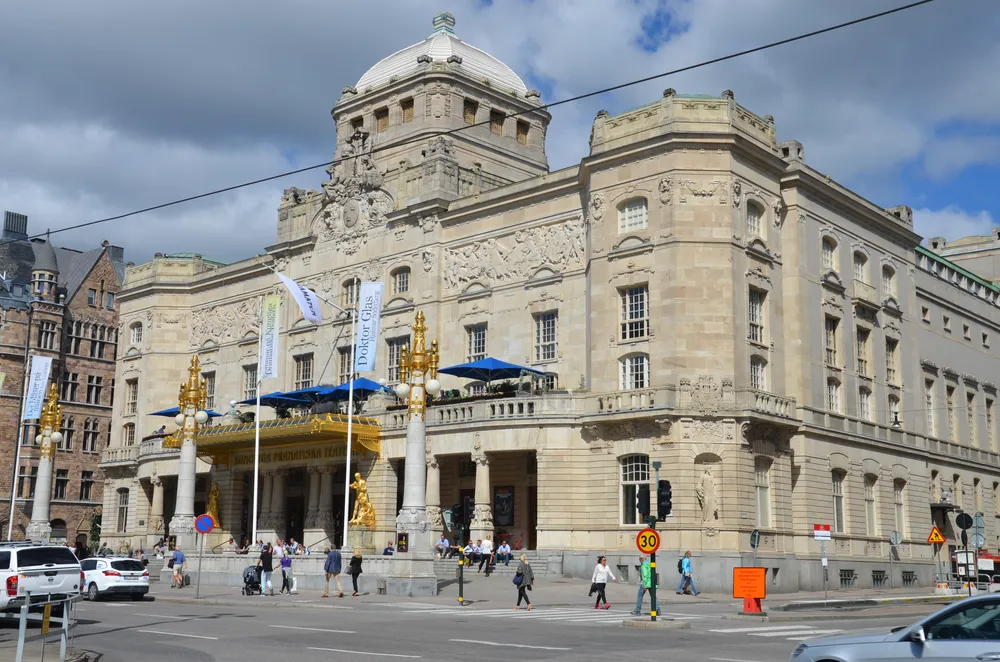
Sweden punches significantly above its weight in cultural output relative to its population of just over ten million. The country's contribution to popular music alone is remarkable: per capita, Sweden is one of the largest exporters of pop music in the world. Stockholm, Gothenburg, and Malmö each have distinct characters and active cultural scenes, and the country's combination of long light summers, serious design culture, and deeply embedded outdoor life creates a particular quality of experience that is hard to replicate elsewhere.
Live Music
Sweden's contribution to global popular music is disproportionate for a country its size. The production heritage that grew from ABBA through the songwriting factories of the 1990s and 2000s has given the country a unique position in the international music industry, and that creative infrastructure feeds a domestic live scene that is notably active. Stockholm has a wide range of venues across genres, from small clubs in Sodermalm to large arenas in the city center. Gothenburg has a particularly strong reputation for rock and alternative music, with a venue circuit and a local audience culture that has produced several internationally significant acts. Electronic and dance music have a strong presence in Stockholm and in the summer outdoor festival circuit. Folk and traditional Swedish music, though less commercially prominent, has a dedicated and knowledgeable audience.
Nightlife
Swedish nightlife operates within a licensing framework that is more restrictive than many European countries, but the scenes in Stockholm, Gothenburg, and Malmö are active and varied within those constraints. Stockholm's Stureplan area is the most established nightlife district, associated with a more affluent demographic, while Sodermalm and Vasastan support a more varied and independent bar and club culture. Gothenburg's Avenyn and the streets around it form the primary nightlife geography. Malmö benefits from its proximity to Copenhagen, with a cross-border nightlife culture that sees significant movement between the two cities. Craft beer bars have become a significant part of Swedish social life, with independent Swedish breweries producing beers of real quality.
Design, Culture, and the Arts
Sweden has a strong and internationally recognised design culture that extends from furniture and product design into fashion, graphic design, and digital products. The concept of form following function, associated with Scandinavian design, is embedded in everyday Swedish life in visible ways: public spaces, public transport, and everyday objects all reflect a seriousness about usability and aesthetics that is culturally distinctive. Museums in Stockholm include the Vasa Museum, which displays a perfectly preserved 17th-century warship, the ABBA Museum, the Moderna Museet for contemporary art, and the Fotografiska for photography. Swedish cinema has a distinguished history from Ingmar Bergman through contemporary directors. Theatre, dance, and classical music are publicly supported across the country.
Food and Drink
Swedish food culture has developed considerably in the past two decades, moving well beyond the smorgasbord and meatballs that characterise its international image. The New Nordic food movement that began in Copenhagen had significant Swedish participation, and restaurants in Stockholm in particular have developed a cuisine rooted in local ingredients, seasonal produce, and Nordic traditions that has attracted international recognition. Traditional Swedish foods including gravlax, pickled herring, knackebrod, and the cinnamon bun remain genuinely good and widely eaten. Aquavit, the caraway-flavoured spirit, is the traditional Swedish drink, though wine and craft beer have grown substantially in cultural importance. Fika, the Swedish tradition of pausing for coffee and a pastry, is a social institution that organises significant parts of the working day and social life.
Sport and Outdoor Life
Sport is central to Swedish social life, with participation rates in organized sport among the highest in the world. Ice hockey and football are the dominant spectator sports, with the Swedish Hockey League and Allsvenskan football league each attracting significant domestic followings. Sweden has produced outstanding tennis players, including several world number ones, and the country maintains a strong tradition in long-distance running and winter sports. The Swedish outdoors is genuinely exceptional: the right to roam (allemansratten) gives everyone access to the countryside, and the combination of forests, lakes, archipelagos, and mountains supports hiking, cycling, kayaking, and skiing across the country. Summer in Sweden brings extraordinarily long days, which supports outdoor festivals, open-air swimming, and a general culture of being outside that is deeply embedded in national identity.
Festivals and Events
Sweden's festival calendar is shaped significantly by the dramatic contrast between its seasons. Midsommar in late June is the most important Swedish celebration of the year: the longest day is marked with dancing around the maypole, flower crowns, and outdoor gatherings that draw the whole country outside. The summer festival season from June through August concentrates a large number of music events into the period of long daylight. Way Out West in Gothenburg is an internationally respected music and culture festival. Sweden Rock draws a large crowd to the south of Sweden for a weekend of rock and metal. Stockholm Pride in late July is one of the largest Pride events in Scandinavia. The Nobel Prize ceremony and banquet in December is a genuinely significant cultural event that draws the world's attention to Stockholm every year.