
A birthday party does not feel like it needs ticketing. Then you try to manage 60 guests without it.
For a gathering of eight close friends, a WhatsApp message is a perfectly adequate guest management system. For a 50th birthday dinner at a restaurant, a 21st at a hired venue, a children's party at a soft play center with a catering headcount, or a birthday fundraiser with a guest list that includes people who do not all know each other, the informality of a group chat starts creating real problems: uncertain numbers, missing dietary requirements, forgotten confirmations, and the chaotic morning-of experience of chasing fifteen people to find out whether they are actually coming.
Event ticketing solves birthday party logistics without making the event feel like a corporate conference. The key is setting it up in a way that matches the social context: an event page that looks like a party invitation, ticket types named to match the occasion, and communications that feel personal rather than automated.
When ticketing genuinely helps a birthday party
The practical threshold for birthday party ticketing is roughly this: if the event involves a venue with a confirmed capacity, a caterer who needs numbers in advance, a guest list of more than 20 people who are not all in regular contact with the host, or a requirement to collect dietary or access information, ticketing will save you significant time and reduce the number of embarrassing conversations.
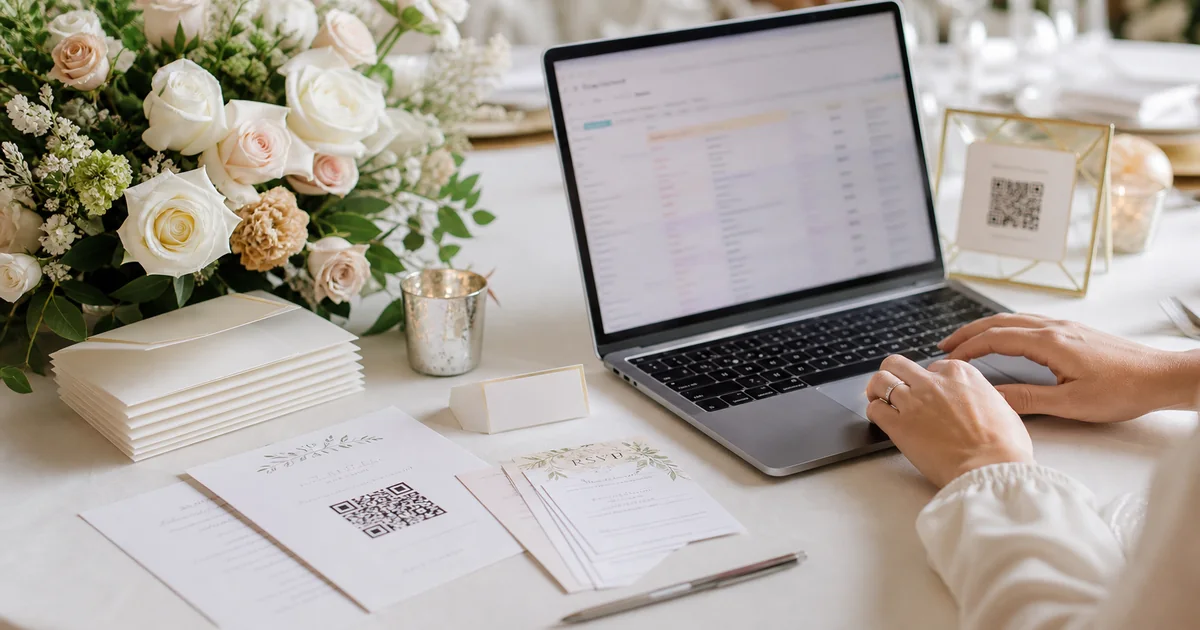
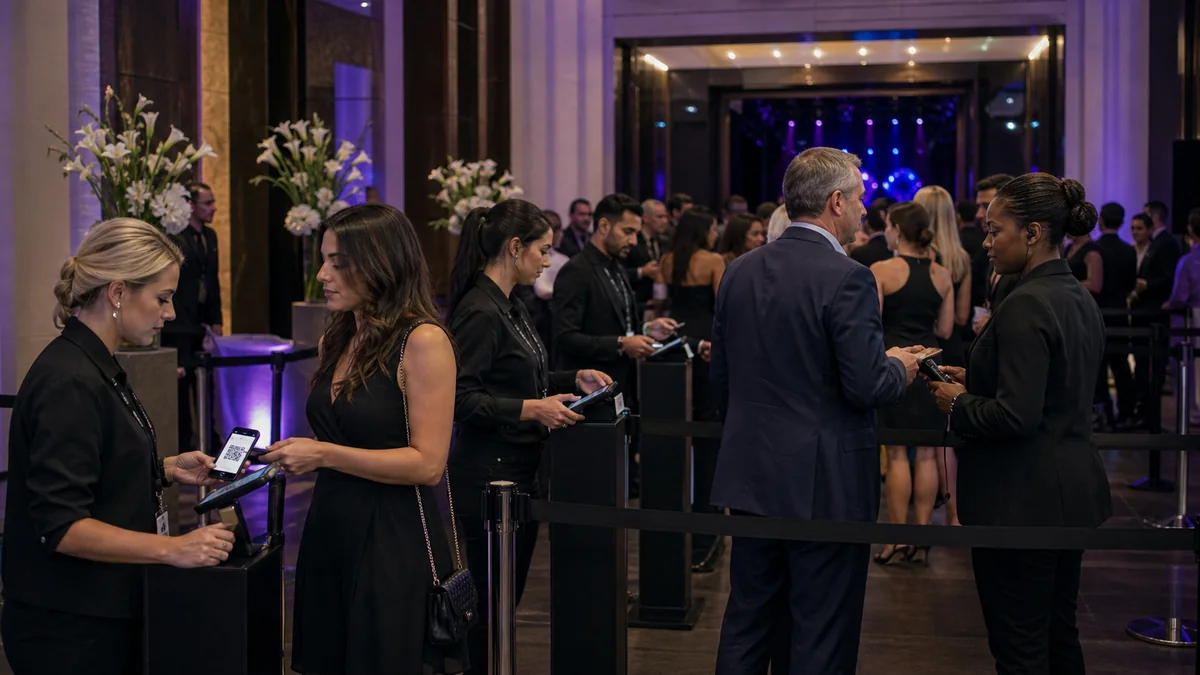
Below that threshold, ticketing can still be useful even if it is not strictly necessary. A free event page with a registration form gives you a confirmed list of who is coming, the ability to send a pre-party information email to everyone at once, and a QR code check-in system that avoids the "can you just check the list?" moment at the door. For a casual gathering, this might be overkill. For an event that has any moving parts, it is almost always worth the ten minutes it takes to set up.
Free versus paid birthday party tickets
The majority of birthday party ticketing involves free tickets: the event costs the host money, not the guests. A free ticket on ShowRave still gives you a confirmed RSVP with the guest's name and contact details, a QR code for check-in if you want it, the ability to send reminder emails to all confirmed guests before the party, and a clear record of who said they were coming.
Paid tickets make sense for birthday parties in specific circumstances: contribution-to-cost events where guests are covering part of the venue or catering cost (common for larger milestone celebrations where the total spend is significant), ticketed birthday fundraisers raising money for a chosen cause in lieu of gifts, and events where a deposit or commitment mechanism is needed to manage confirmed headcount accurately.
If you are asking guests to contribute to costs, frame it clearly and honestly: "The venue costs a per-person fee to hire, and a contribution of that amount covers your place." Guests respond better to transparency about what the amount covers than to an unexplained ticket price for what they expected to be a free invitation.
Collecting dietary and other information at registration
This is arguably the single most valuable practical function of birthday party ticketing, particularly for events involving catering. Instead of sending a separate survey after initial RSVPs, or individually messaging every guest to ask about dietary requirements, configure your ticket setup to capture this information at registration. Each guest completes it once, as part of confirming their attendance, and the compiled responses are available in your attendee report.
Using ShowRave's AddOn feature, you can present choices at checkout that guests select during registration: meal preference (standard, vegetarian, vegan, gluten-free), any allergy information, whether they need a high chair or accessible seating, whether they are bringing a plus-one whose details you need separately, or any other information relevant to the specific event. The answers appear in the attendee report, ready to send directly to your caterer or venue as the planning brief.
For children's parties specifically, capturing the child's name separately from the parent's contact details, along with age and any relevant medical information, is worth configuring at registration. Venues that require emergency contact information for supervised children's parties will often need this before the event, and collecting it at registration rather than on the day eliminates the check-in queue of parents filling out forms while other guests arrive behind them.
Reminder emails: the simplest no-show reduction tool
Birthday party no-show rates can be surprisingly high for free events. Social commitments compete with other social commitments, the casual nature of a birthday invitation makes people feel less obligated than a formal ticket, and people genuinely forget events they signed up for weeks in advance.
A reminder email to all confirmed guests sent three days before the party, and a second one the evening before, meaningfully reduces the gap between confirmed RSVPs and actual attendance. The reminder should include: the date and start time, the venue address with any relevant directions or parking notes, what to bring or wear if relevant, and any last-minute details such as parking arrangements or a back entrance code. Keep it friendly and personal in tone. This is a party invitation reminder, not a corporate notification.
Making the process feel like a party, not an admin task
The risk of using event ticketing for personal events is that it introduces formality that feels at odds with the occasion. A guest who receives a confirmation email that looks like a corporate event booking may feel that their friend is organizing an event, not inviting them to a celebration.
The solution is in how the event is set up. Give the event a warm, specific name: "Emma's 40th Birthday Dinner" rather than "Event Confirmation." Write the description in the voice you would use for a personal invitation. Use a photo on the event page that reflects the personality of the celebration rather than a generic event banner. Set the RSVP type to the appropriate tier name ("Attending" rather than "General Admission"). These are small choices that together make the experience feel personal rather than transactional.
The QR check-in on the night is entirely optional for personal events. Many birthday party hosts use ShowRave purely for the guest management and registration features and skip the scanning element entirely. The guest list report available from your dashboard gives you a printed list of confirmed guests that can be used at the door without any technology if that feels more appropriate for the occasion.
Milestone birthdays and large celebrations
Milestone birthdays, 30th, 40th, 50th, and beyond, often involve larger guest lists, hired venues, and levels of organization that significantly exceed a casual gathering. The logistical complexity of a 60th birthday dinner for 80 guests is closer to a corporate event than to a house party, and treating it as the latter produces the administrative chaos that comes with the latter.
For milestone celebrations at hired venues, the event ticketing setup gives you capabilities that directly reduce the organizational workload: a confirmed headcount before you commit to final catering numbers, dietary requirements compiled automatically from the registration form, a reminder sequence that reduces the pre-party chasing, and a check-in mechanism that makes the arrival experience smooth. The event page for a milestone birthday should cover everything a guest needs to know: where the event is, when to arrive, what to wear, whether parking is available, and any dietary options.
Children's parties: what is different
Children's parties require different information because the ticket buyer (the parent) is not the attendee (the child), and the venue typically needs information about the child rather than the parent for headcount and safety purposes.
Configure your registration to capture the child's name, age, any allergies or dietary requirements, and whether a parent or guardian will be staying for the duration. This information, compiled in your attendee report, gives the venue or caterer exactly what they need without a separate data collection process.
For very young children's parties where parents stay throughout, configure your capacity and catering estimates to account for accompanying adults as well as children. A party of 20 children where all parents stay produces an event with 40 or more people in the space, which is a materially different number for venue capacity and catering planning than the 20-person headline figure suggests.
Safety and supervision arrangements are sometimes a venue requirement for children's events and should be addressed in the event description so parents know what to expect on arrival. The final practical note: for birthday parties of any kind, set the event as private if the platform supports it, visible only to people who have the direct link rather than discoverable in public search results. A birthday party is not a public event and the guest list should be controlled by the host.
Setting up the event page: tone and content that fit the occasion
A birthday party event page should feel like the host wrote it, not like a ticketing system generated it. Use first-person language if that feels natural. Include a brief note about why this party matters and who is being celebrated, which serves as both context for new guests and a personal touch for people who already know the birthday person. Give the event a name that reflects the occasion rather than a generic title.
The practical information on the page should cover everything a guest needs without requiring them to message the host to ask: venue address with any specific arrival instructions (which entrance to use, where to park), start time and how long the event runs, dress code if there is one, and whether the party includes a meal or is a drinks and canapés format. Guests who have this information in advance arrive on time, in the right outfit, with the right expectations, and the arrival experience runs smoothly without the host having to manage a stream of last-minute messages on the day.
For children's parties, include the specific drop-off and collection arrangement prominently. Parents need to know whether the event is supervised (and by whom), whether they are expected to stay, what time the party ends, and who to contact if they are running late for collection. This information is not optional for responsible parents and its absence creates anxiety that you can easily prevent by including it in the event description from the start.