
The book launch is the most under-ticketed event in the creative economy
Most book launches still operate on a free-entry invitation basis: a publicist sends invitations, the bookshop or venue manages a rough headcount, and buyers of the book receive a signed copy through the event. The commercial model captures almost none of the demand that exists for premium access to the author in smaller, more intimate contexts.
The reading community has a strong willingness to pay for genuine access: a signed copy personalised with a written message, a ticket to a small-group conversation with the author, a reading combined with dinner in a private space, or a premium launch experience that is meaningfully different from a standard public reading. Ticketing book events properly captures this willingness and builds a commercial model for literary events that the free-entry format does not.
This guide covers the formats that work for book events, the ticket structures and AddOns that capture the available revenue, and the promotional approach that reaches reader communities specifically.
The formats that work for book events
Book launch and author events operate in three distinct formats, each requiring a different ticketing configuration.
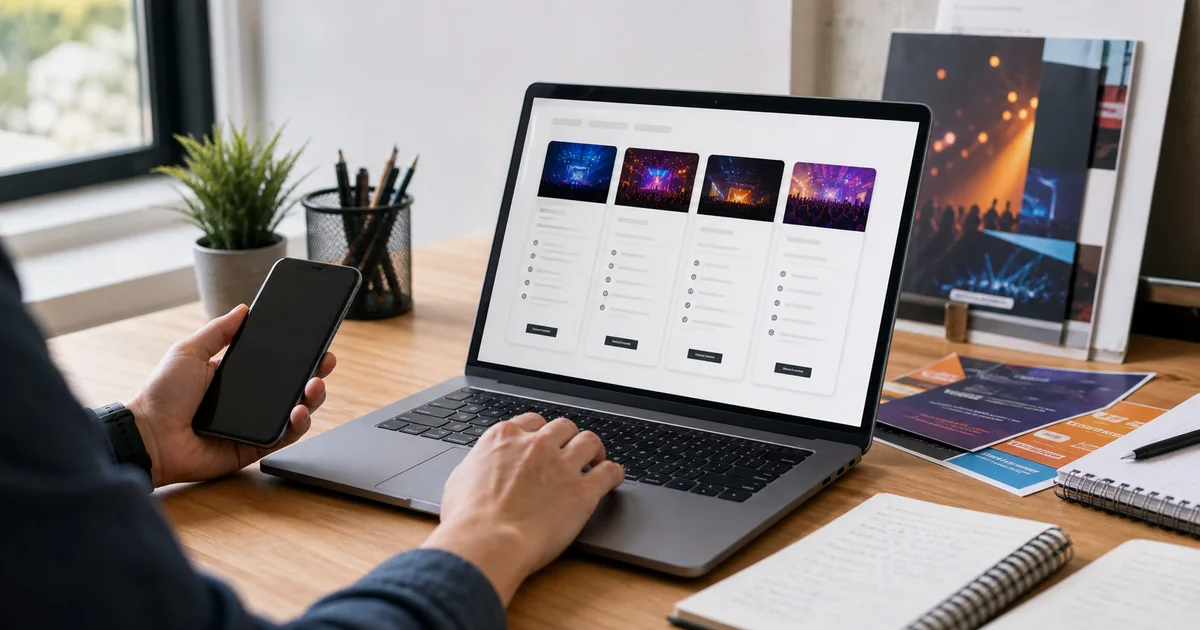
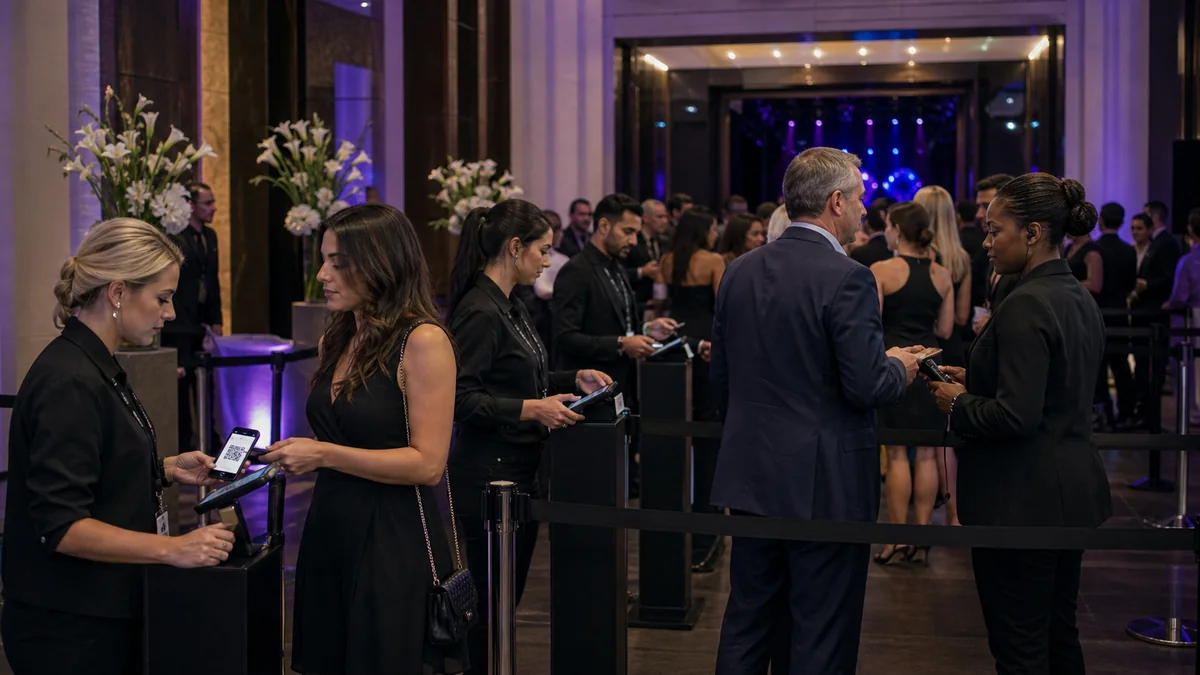
Free community reading.An author reads from the new work, takes questions, and signs copies. Entry is free; the commercial model is book sales at the event and ongoing sales driven by the community awareness the event generates. Even free readings benefit from registration: the venue needs a headcount for seating and catering, the organizer needs contact details for follow-up communication, and the attendance data tells the publisher or publicist how many people attended and what channels drove them there. Configure as a free event on ShowRave with registration required. Use the attendee list for post-event follow-up and future event invitations.
Ticketed headline reading.A prominent author, a sold-out book, or an event in a premium venue commands ticket pricing. The ticket covers the reading and Q&A, and the event may include a book in the ticket price or a signed copy as an included element. This format is familiar to literary festival audiences and increasingly to general readers who follow specific authors with large social followings. Configure with one or two ticket tiers: a standard tier for the reading, and a premium tier that includes a personalised signed copy or post-event meet-and-greet access.
Intimate salon reading.A small-group event, typically 20 to 50 guests, where the author is in genuine conversation with the audience rather than performing from a stage. The intimacy justifies a higher per-head price and the scarcity, such as only 30 tickets available, is a genuine differentiator from the standard public reading format. For debut authors building a community, this format creates a founding audience of deeply engaged readers. For established authors, it creates a premium experience that justifies pricing above a standard reading event.
AddOns that convert for book events
Book events have natural AddOn opportunities because the product being celebrated, the book itself, is physically present at the event and is the reason every buyer is there. An audience attending a book launch event is the highest-converting audience for book-related purchases of any kind.
High-converting book event AddOns: a personalised signed copy of the book, where the buyer specifies the dedication message at checkout and the author dedicates it before or during the event; a copy of the author's previous works, for buyers who are new to the author and want to complete their collection at the event; a reading group pack that includes discussion questions and the book, for buyers who want to bring the event to their reading group; and, for premium events, an exclusive limited-edition print, bookplate, or signed item related to the book.
The personalised dedication AddOn is particularly powerful for gift purchases. A buyer who is attending a book launch to buy a gift for someone who loves the author's work will pay a meaningfully higher amount for a copy personalised with the recipient's name than for a standard signed copy. Configure the dedication as an AddOn with a text input field where the buyer specifies the name. This data appears in the attendee export and can be prepared in advance of the event, reducing the time pressure on the author during the signing session.
Reaching reader communities
Reader communities exist on specific platforms and in specific formats that general event promotion does not efficiently reach. Bookstagram is the primary visual community for literary audiences on Instagram: accounts dedicated to book photography, reading challenges, and author promotion have highly engaged followings of readers who actively seek new books and author events. A well-placed post from a Bookstagram account with 10,000 engaged followers is often more effective for a literary event than a broader social media campaign from the author's own account.
Goodreads is the platform where engaged readers track their reading and discover author events. An author with a Goodreads author page can list events and reach readers who are specifically interested in their work through the platform's author tools. For publishers supporting an author's event program, Goodreads is the underused channel that reaches the most motivated possible audience.
Literary newsletters, book review blogs, and reading group communities are the community media that reaches engaged readers directly. A placement in the right literary newsletter, such as a mention in a well-regarded weekly reading newsletter, can drive a meaningful number of ticket purchases from readers who are already predisposed to attend author events in the genre.
The affiliate link system in ShowRave is particularly well-suited to literary event promotion because the promotional ecosystem is community-driven. Give each Bookstagram account, literary newsletter, reading group organizer, or bookshop that promotes the event a unique tracking link. The attribution data after the event tells the author and publisher which literary community relationships are most commercially effective for events, which informs the promotional strategy for every subsequent book release.
The DP Generator for literary audiences
Reader identity is strong and public. Readers who attend author events share their attendance on social media, post photos of signed copies, and publicly identify with the books they read and the authors they follow. The DP Generator at/dp-generatorprovides a specific, branded format for this public expression of reading identity.
A DP Generator frame featuring the book cover artwork or the author's photograph is an aesthetically strong asset for literary events because the book cover itself is typically designed to be visually arresting. A reader who updates their profile picture with a frame featuring the cover of a book they are attending a launch for tells their entire network that they are part of this book's community, which reaches readers who may be interested in the author's work and who are more likely to respond to a personal recommendation than to a direct advertisement.
For authors with large social followings or books with strong visual branding, a DP Generator campaign in the week before the launch event can produce organic social promotion that reaches readers through personal networks rather than through broadcast channels. The cumulative effect across 200 readers updating their profile pictures with the same book cover frame is a significant ambient marketing presence in the literary community.
Post-event: closing the loop with the reader community
The post-event email to all attendees is the last communication in the launch campaign and the first in the relationship between the organizer and these specific readers. Send it within 48 hours. Include a photograph from the event, a thank-you from the author where possible, and a clear indication of where to buy the book if they have not already. For signed copies collected at the event, confirm that their copy was personalised as requested.
For the attendee database, a book launch audience is a literary event audience: people who demonstrated interest in this specific author or genre by attending. For future events, whether another book by the same author, a literary festival appearance, or a reading group event, this audience should receive the first notification. The export from ShowRave provides the contact details that make this communication possible, and the attendee history data identifies who attended previous events as the most engaged segment for each new communication.
Event data that serves the publisher relationship
For authors working with publishers, the ShowRave event data serves a commercial purpose beyond the event itself: it provides the publisher with evidence of the author's direct audience engagement that platform analytics and social follower counts cannot produce. An author who can show their publisher the attendance data from their last four events, including channel attribution that identifies which communities drove the most engaged buyers, is providing commercially meaningful evidence of their promotional effectiveness.
Publishers who support author events with marketing budgets are making a commercial decision. They are more likely to support events that generate measurable outcomes than events that are reported impressionistically. The ShowRave attendee export, the affiliate attribution data, and the comparison of returning versus first-time attendees across successive events provide the specific, data-backed outcomes that make the case for continued publisher support.
For self-published authors, the event data serves a different but equally important purpose: it is the evidence base for pricing and format decisions for subsequent events. An author whose events consistently attract a specific community, who has a measurable proportion of returning readers, and who can attribute sales to specific promotional channels, has the information needed to run a more commercially efficient event program at each successive release.
Building a literary event program across a career
The authors who build the most valuable direct reader relationships are those who treat each book launch event not as a standalone promotional moment but as an addition to an ongoing program of reader engagement. The attendee database from each event is the foundation of the next event's warm audience. The literary communities that drove registrations to one event are the relationships to cultivate for the next.
The compounding value of this approach is visible within two to three book cycles. An author who retained and used the attendee data from their first book launch, maintained the reader relationships between publications, and used each subsequent event to deepen those relationships, arrives at their third or fourth launch with a directly reachable audience of engaged readers who have proven their willingness to attend and buy. That audience does not need to be re-acquired. It needs only to be informed that the next event is happening.
Create your book launch or author event at/create/create-venue-eventfor in-person events or/create/create-online-eventfor virtual readings. Configure signed copy AddOns, personalised dedication options, and affiliate links for literary community promoters before the first invitation goes out.