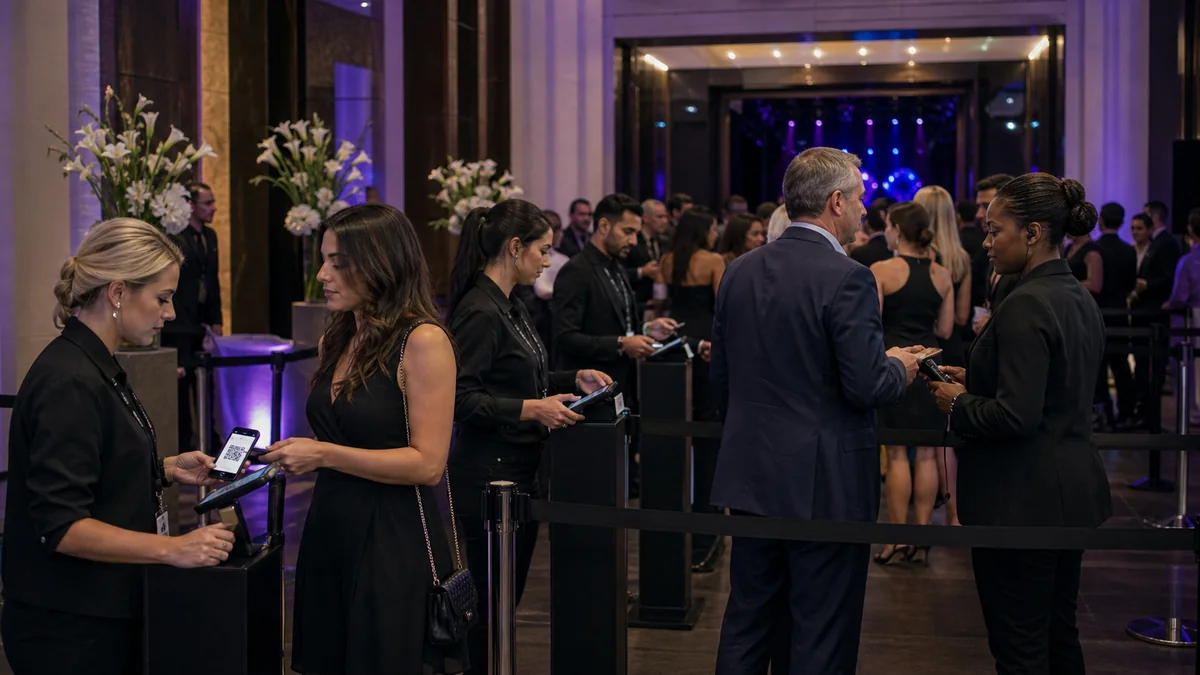

A French cultural evening has an aesthetic standard that extends to the event page
A soirée organisée in the French tradition, whether an elegant wine and fromage evening, a literary salon in the style of the grands salons of Paris, a cabaret performance at an intimate venue, a gastronomic dinner celebrating regional cuisine, or a jazz evening in a cave or cellar venue: these events communicate something specific about quality, taste, and cultural engagement that begins with the event page and carries through every touchpoint of the experience.
French cultural event buyers evaluate the event page with a critical eye that reflects their cultural standards. The quality of the description, the specificity of the program, the accuracy of the venue characterisation, and the clarity of what is included in the ticket price all contribute to whether the page communicates the event's actual character or merely its existence. A well-written, specific event page converts the French cultural audience; a generic one does not.
Wine and gastronomic evenings
France's wine culture is one of the country's most internationally recognised cultural exports, and wine-centered events, from formal tastings in a cave viticole to casual wine and cheese evenings in a Paris apartment, attract audiences for whom the quality of the selection is the primary draw. For these events, the specific producers, appellations, and sommelier or winemaker profile featured should be central to the event page description rather than incidental.
Configure ticket types that reflect the tasting event formats common in France: a standard tasting covering the main selection, and a premium tier for a smaller-group extended tasting with the winemaker or a more comprehensive flight. For gastronomic dinners with a wine pairing component, the food and wine combination should be described specifically in the ticket description. A dinner featuring a Bourgogne pinot noir with a Charolais beef main course tells a French buyer something specific about the evening's culinary ambition.
Dietary requirement capture at registration is particularly important for gastronomic dinners in France, where the menu is often set in advance and allergen accommodation requires advance preparation by the chef. Configure dietary fields in ShowRave with a clear deadline by which requirements must be submitted, and state this deadline in the ticket description so that buyers with specific requirements know they need to complete this information promptly after booking.
Cabaret, chanson, and live performance evenings
French cabaret in the tradition of the cabarets artistiques, evenings of chanson française, musical performances in intimate salles de concert, and theatrical or spoken word performances at small venues have a specific audience character: culturally engaged, likely to have attended previous similar events, and particularly sensitive to the artistic quality and authenticity of the program.
For these events, performer biography and artistic context are significant conversion factors on the event page. A singer described as "having performed at the Festival d'Avignon, trained at the Conservatoire de Paris, and known for their interpretation of Brassens and Ferré" is communicating artistic credibility to exactly the audience this event is designed for. Include the artistic context specifically rather than generically.
Reserved cabaret seating with table service, the format historically associated with Parisian cabaret, can be configured in ShowRave with zone-based seating reflecting the room's table layout. For intimate venues of 40 to 80 people, this configuration gives buyers specific table positioning information and allows premium front tables to be sold at a higher rate than side or rear tables.
Salons littéraires and intellectual evenings
The salon littéraire, the tradition of intellectual gathering for discussion, debate, and cultural exchange, has a long history in French culture and a contemporary manifestation in philosophical cafés, literary discussion evenings, author readings, and debate formats. These events attract a highly educated audience for whom the quality of the intellectual program is the primary criterion for attendance.
For literary and intellectual evenings, the event page should describe the specific topic, the specific participants or speakers, and the format of the discussion. An evening described as "a salon on the question of language and identity in contemporary French literature, featuring three novelists from the Rentrée littéraire discussing their work with a literary critic from Le Monde" is a specific proposition. An evening described as "a literary discussion evening" is not.
Ticket pricing for intellectual salons should reflect the format's intimacy: a small-group discussion with published authors or notable intellectuals commands a premium that a standard literary event does not. Keep quantities limited to maintain the conversational character of the format, and communicate the small-group nature in the ticket description as a feature rather than a constraint.
Reaching French cultural audiences
French cultural event promotion runs through a specific set of channels that differ from general entertainment promotion. For cultural and artistic events, the press, particularly the cultural supplement of Le Monde, Le Figaro, L'Obs, and the cultural reviews that serve specific art forms, carries significant influence with the target audience. A listing or review in the right cultural publication is worth more for conversion than an equivalent advertising budget on general social media.
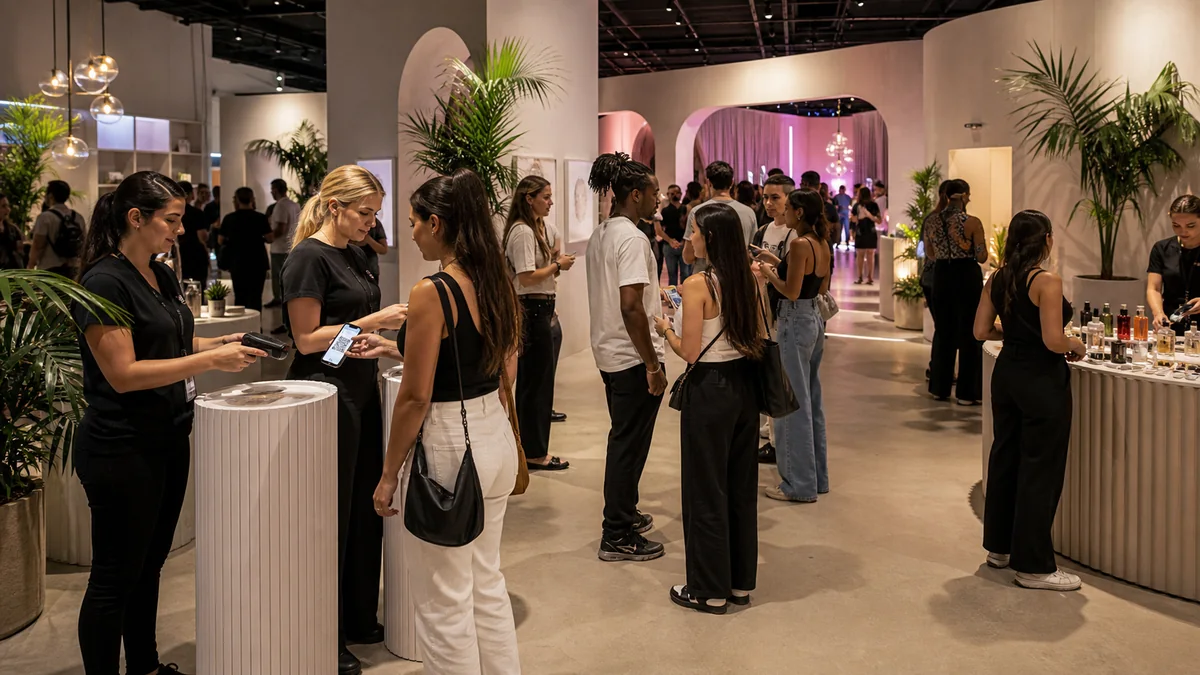
For wine, gastronomic, and cultural lifestyle events, Instagram is effective for the visual documentation of the event's aesthetic: an elegantly presented table, a cellar setting with candlelight, a performing artist on a small stage. These images communicate the event's quality register to a discerning audience that evaluates visual signals carefully.
Affiliate links through ShowRave work specifically well for French cultural events when distributed to cultural associations, wine merchant mailing lists, literary clubs, and professional culinary networks whose members are the natural audience for the event's specific cultural offer. Each affiliated partner's unique link provides attributed, measurable distribution into audiences the organizer could not reach efficiently through their own channels.
Configure your French cultural evening at/create/create-venue-event.
Pricing a French cultural evening
French cultural evening pricing should reflect both the objective cost of the experience and the perceived value of the occasion. A soirée that includes a curated wine selection, a gastronomic food pairing, and an intimate performance by respected artists is not the same commercial product as a standard entertainment event. Price it accordingly, with the description providing the specific justification for the price through specific, verifiable detail about what is included.
French buyers are sophisticated commercial actors who evaluate price relative to perceived quality. An underprice that does not reflect the actual production quality communicates to a French buyer that something is wrong. An overprice without substantive justification produces the same scepticism. The price that converts is the one that is honest about what is included and what the experience delivers, stated specifically rather than vaguely.
The role of cultural seasons in French event planning
French cultural life is organized around a seasonal rhythm that shapes when events are planned, promoted, and attended. The rentrée in September marks the return from the summer break and the beginning of the cultural season; the period from September through June is the primary live events season for theatrical, musical, and cultural programming. July and August, when Paris empties for the summer, are the dominant festival and outdoor events period for the regions.
For French cultural event organizers, aligning the event program with the cultural season rhythm maximises the available audience. A salon littéraire launched in September benefits from the fresh energy of the rentrée; the same event in August competes with summer departures. A wine evening positioned as a post-summer celebration in early September benefits from the coinciding return of the Parisian professional audience that was absent in August.
For events at major French cultural institutions, such as a château winery, a historic townhouse, or a significant architectural venue, the venue itself is a cultural signal that adds to the event's appeal and justification. A wine tasting at a premier cru estate, a dinner at a listed historic property, or a salon at a literary figure's residence communicates cultural context that the event description should acknowledge explicitly rather than treating as incidental background.
Configure your French cultural evening at/create/create-venue-event. Review payment and payout details for France at/payment-and-payout.
\n\nUsing the platform effectively in this market
Every market has its own audience behavior, cultural calendar, and promotional ecosystem. The organizers who succeed consistently in their specific market are those who combine platform discipline, the consistent use of attendee data, affiliate links, and post-show follow-up, with local cultural intelligence: knowing which occasions matter, which channels reach the right audience, and what the specific audience expects from the checkout experience. ShowRave provides the operational infrastructure; the local knowledge is the organizer's contribution. Together, they produce a show program that builds in commercial efficiency and audience loyalty with every edition.
\n\nThe show program that builds on itself, using each edition's data to improve the next, treating every buyer as a long-term audience member rather than a transactional ticket sale, and respecting the cultural character of the occasions it serves, is the program that lasts. Configure your next show at/create/create-venue-eventand build it on the operational foundation that makes every subsequent show easier to fill than the last.
\n\nCultural events that serve genuine community need, that are configured with operational care and communicated with honesty, and that build a returning audience over successive editions, are the events that define a city's cultural calendar year after year. The tools to build this kind of program, the attendee database, the affiliate network, the consistent post-show follow-up, are available to every organizer from their first show. The choice to use them consistently is what separates the program that compounds from the one that starts from scratch each time.
\n\nThe organizer who approaches every show with the same operational discipline, regardless of the specific cultural occasion, builds a program that is consistently better than one that treats each show as an isolated exercise. The data from this show improves the next. The audience built through this edition is the warm prospect for the next. The cultural community served by this celebration is the foundation for every edition that follows.
\n\nEvery cultural celebration that is well-organized, honestly promoted, and followed up with genuine care for the community that attended builds something more durable than a commercial transaction. It builds a relationship between the organizer and the audience that makes every subsequent occasion easier to run, easier to fill, and more meaningful for everyone involved.