This guide contains general information about Indian cultural and religious festivals. Event requirements vary by state, festival type, and local authority. Always verify local permissions and regulations before running a public event.
India's festival calendar creates events that sell themselves, if the ticketing is right
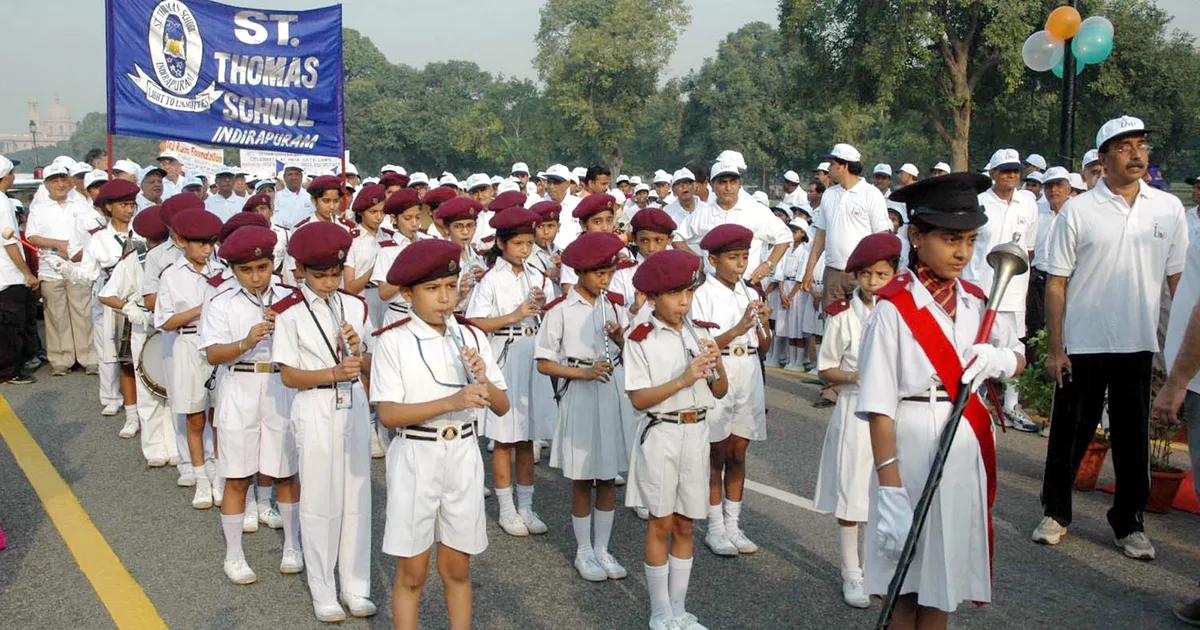
Diwali melas, Holi celebrations, Navratri garba nights, Eid gatherings, Pongal harvest festivals, Durga Puja pandal events, Onam celebrations in Kerala, and Baisakhi harvest nights in the north: India's cultural and religious festival calendar is among the richest in the world, and the events tied to it generate some of the most emotionally motivated ticket buyers of any event category. Attendees are not evaluating whether to go; they are planning which experience of the occasion best serves their family, their community, and their cultural identity.
The ticketing challenge for Indian cultural festival events is not usually demand. It is capacity management, community access pricing, and the operational logistics of running events that attract mixed audiences of families, elders, young adults, and children with very different needs at the same venue.
Free versus ticketed access at Indian cultural festivals
Many Indian cultural festivals operate on a free or donation-based attendance model for their core community program, with ticketed access for specific premium experiences within the larger free event. A Diwali mela with free entry to the market, food stalls, and cultural performances but ticketed access to a headline concert. A Navratri ground with free entry during the day and ticketed garba nights in the evening. A Holi celebration with free general attendance but a ticketed DJ stage or premium experience zone.
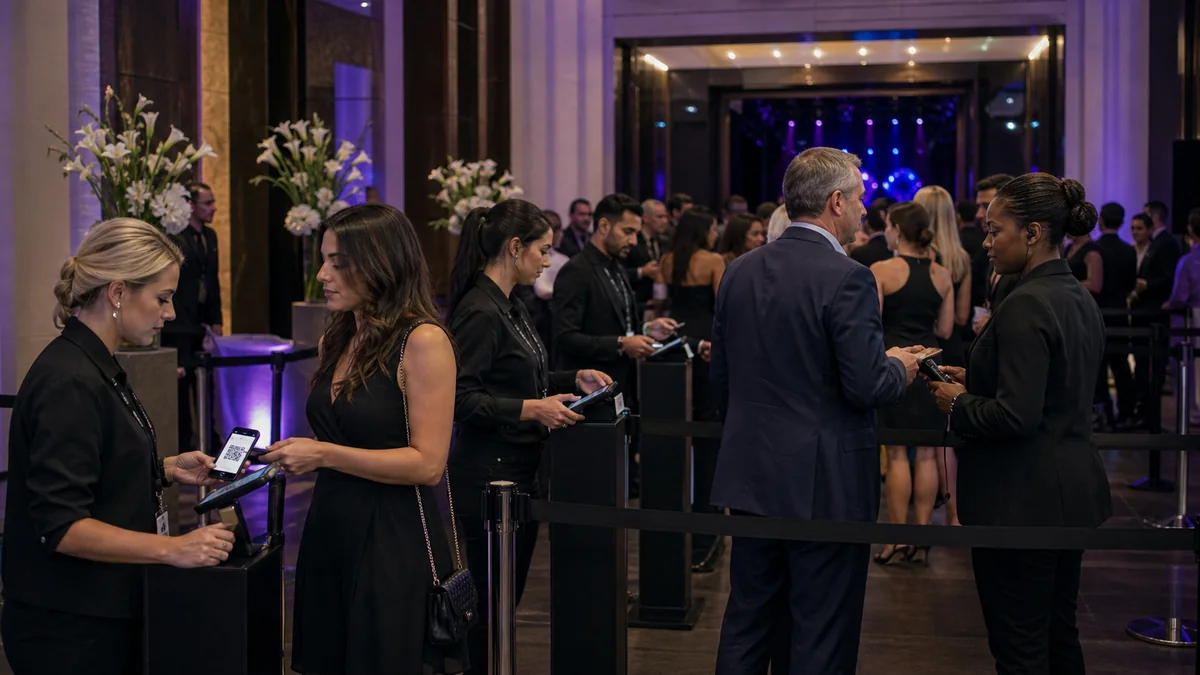
Configure ShowRave to handle this mixed model: free ticket types for the registration-based free elements (generating a headcount and contact list even without payment), and paid ticket types for the premium experiences with their own capacity limits. The free ticket still issues a QR code, still produces an attendee list, and still enables the pre-event communication and reminder sequence that reduces no-shows and helps families plan their attendance around the specific program.
For community organizations and cultural bodies running festivals on behalf of a diaspora community or a local Indian community association, the pricing model should reflect the community service character of the event. A Diwali mela run by a temple trust for the local community is not the same commercial product as a ticketed Diwali party run by a commercial events company. Price and configure accordingly, and communicate the character of the event clearly on the event page so that buyers understand what they are attending.
Family and intergenerational audiences
Indian cultural festivals are among the most multigenerational events in any cultural calendar. A Diwali celebration may bring together grandparents, parents, and young children from the same family, alongside unrelated community members of all ages. The ticketing configuration needs to serve this audience mix: family packages, child tickets, senior concessions, and a general admission tier that does not disadvantage large family groups who are making a single collective attendance decision.
Configure a family ticket type in ShowRave that covers two adults and up to three children at a combined price with a visible saving over individual tickets. For events with children under a certain age attending free, configure a free infant or young child ticket type with a clear age limit so that families understand the arrangement before completing their booking.
Accessibility provisions for elderly community members are particularly important at Indian cultural festivals, where the presence of older family members is expected and valued. Configure accessible positions in the seating or viewing arrangement, include a clear description of accessibility provisions on the event page, and ensure the venue's accessible routes are confirmed before the event is publicised.
Religious events and temple festivals
Some Indian cultural events have a specifically religious character: temple festivals, puja events, religious music programs, and celebrations tied to specific religious occasions in the Hindu, Muslim, Sikh, Jain, and other religious calendars. For these events, the ticketing approach should reflect the religious and community character of the occasion.
Free attendance with voluntary donation is the most common model for genuinely religious events: a puja at a temple, a kirtan evening, or a religious celebration is typically open to all community members without a financial barrier. ShowRave's free ticket configuration handles this cleanly: registration provides the attendance count and contact list even without payment, which supports the organizer's planning needs without imposing a commercial transaction on a religious occasion.
For larger religious cultural events that involve significant production, such as a Ram Leela performance, a large-scale Durga Puja pandal in the Bengali tradition, or a Ramlila open-air production, the production costs justify a modest ticket price for the specific performance evenings while the broader festival access remains free. Configure paid tickets only for the specific performance components and communicate clearly which elements require a ticket and which are freely accessible.
Promotional channels specific to Indian festival events
Indian festival events reach their audiences through a combination of community networks, religious institution communication channels, and mainstream social media. WhatsApp remains the most important organizer-to-community communication channel for many Indian community groups: a message through the right temple WhatsApp group, the right cultural association newsletter, or the right community leader's personal broadcast reaches the core community audience with the trust and immediacy that no advertising campaign can match.
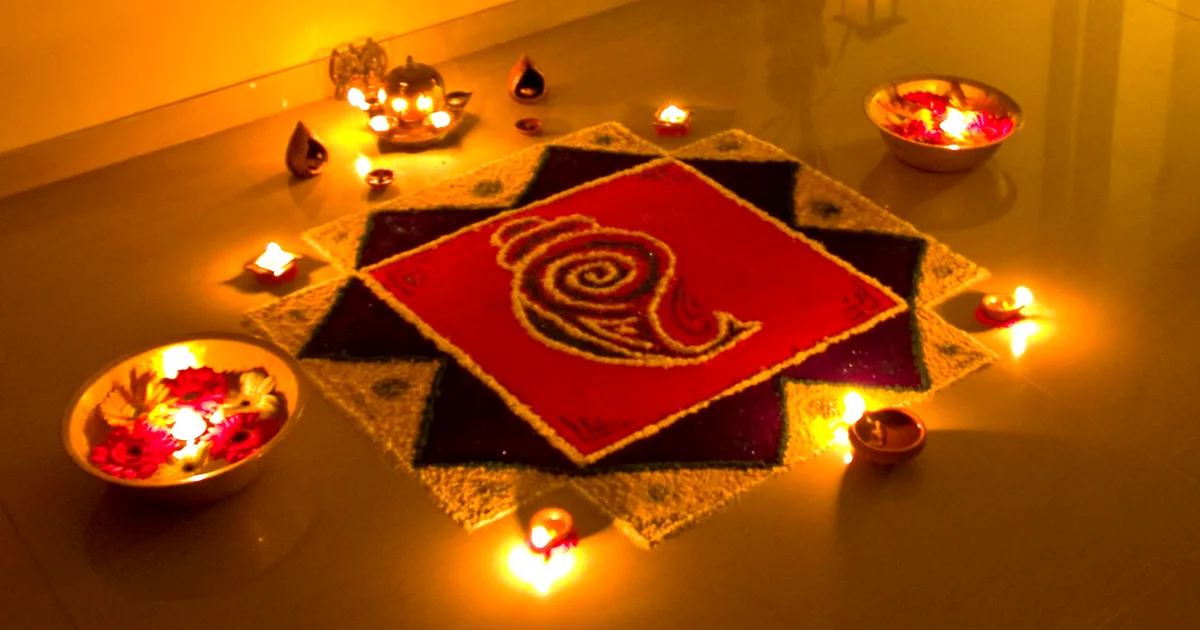
For Diwali, Holi, and other mainstream festival events with broader public appeal, Instagram is the primary visual discovery channel. Festival events generate highly shareable visual content, the lights of a Diwali display, the colors of a Holi celebration, that performs well organically on visual platforms and extends reach beyond the core community audience to the broader public who may be interested in experiencing an authentic cultural celebration.
The DP Generator at/dp-generatorworks specifically well for festival events where community identity and cultural pride are part of why attendees share their attendance. A Diwali-branded profile picture frame that attendees update across Instagram and WhatsApp tells their entire network that they are celebrating the festival in a specific, visible way, which reaches both community members who are planning to attend the same celebration and non-community members who encounter the cultural identity signal in their feed.
Configure your Indian cultural festival event at/create/create-venue-event. Set up the mixed free-and-paid tier structure, family and accessibility ticket types, and promotional affiliate links for community partner organizations before any public announcement goes out.
The data that matters for Indian cultural festival reporting
Cultural festivals in India, particularly those receiving government support, cultural grants, or corporate sponsorship, need post-event reporting that demonstrates attendance, community reach, and the cultural impact of the occasion. The ShowRave attendee export provides the attendance data foundation for this reporting: confirmed attendance count, ticket type breakdown, geographic distribution where postcode or city fields are captured at registration, and communication data for follow-up research surveys.
For festivals receiving Tourism Board or Ministry of Culture support, specific attendance and demographic data may be required for grant reporting. Configure the relevant fields at ticket setup to capture this data at the point of registration rather than through a retrospective survey. A post-event survey with a 10% response rate produces unreliable demographic data. Registration fields with a 90% completion rate produce robust data that serves both the festival's internal planning and its external reporting obligations.
Managing multi-day festivals
Major Indian cultural festivals often run across multiple days, with different programs on each day. Diwali celebrations may span the five days of the traditional Diwali festival period, with different events on each day: Dhanteras, Choti Diwali, the main Diwali day, Govardhan Puja, and Bhai Dooj each have their own cultural character. Navratri runs for nine nights with garba on each evening. Durga Puja in the Bengali tradition spans five days with different pandal events and cultural programs.
For multi-day festivals, configure each day's program as a separate event in ShowRave, linked by a consistent branding and naming convention that buyers recognise as part of the same festival series. A full-festival pass that covers all days at a combined price can be configured as a premium tier, while individual day tickets are available for buyers who can only attend specific days. The full-festival pass rewards commitment with a saving; the individual day option serves buyers who have specific day availability constraints.
The check-in data across multiple festival days in ShowRave tells the organizer which days attracted the highest attendance, which days produced the most AddOn purchases, and which days had the highest no-show rate. This data is the programming brief for the next year's festival: which day's program generated the most engagement, which needs to be strengthened, and which has capacity to support premium pricing at a higher level.
Configure your Indian cultural festival at/create/create-venue-event. For multi-day festivals, create each day's events separately with consistent titling that identifies the day number within the festival series.
\n\nUsing the platform effectively in this market
Every market has its own audience behavior, cultural calendar, and promotional ecosystem. The organizers who succeed consistently in their specific market are those who combine platform discipline, the consistent use of attendee data, affiliate links, and post-show follow-up, with local cultural intelligence: knowing which occasions matter, which channels reach the right audience, and what the specific audience expects from the checkout experience. ShowRave provides the operational infrastructure; the local knowledge is the organizer's contribution. Together, they produce a show program that builds in commercial efficiency and audience loyalty with every edition.
\n\nThe show program that builds on itself, using each edition's data to improve the next, treating every buyer as a long-term audience member rather than a transactional ticket sale, and respecting the cultural character of the occasions it serves, is the program that lasts. Configure your next show at/create/create-venue-eventand build it on the operational foundation that makes every subsequent show easier to fill than the last.
\n\nCultural events that serve genuine community need, that are configured with operational care and communicated with honesty, and that build a returning audience over successive editions, are the events that define a city's cultural calendar year after year. The tools to build this kind of program, the attendee database, the affiliate network, the consistent post-show follow-up, are available to every organizer from their first show. The choice to use them consistently is what separates the program that compounds from the one that starts from scratch each time.