Scaling an event is not just selling more tickets
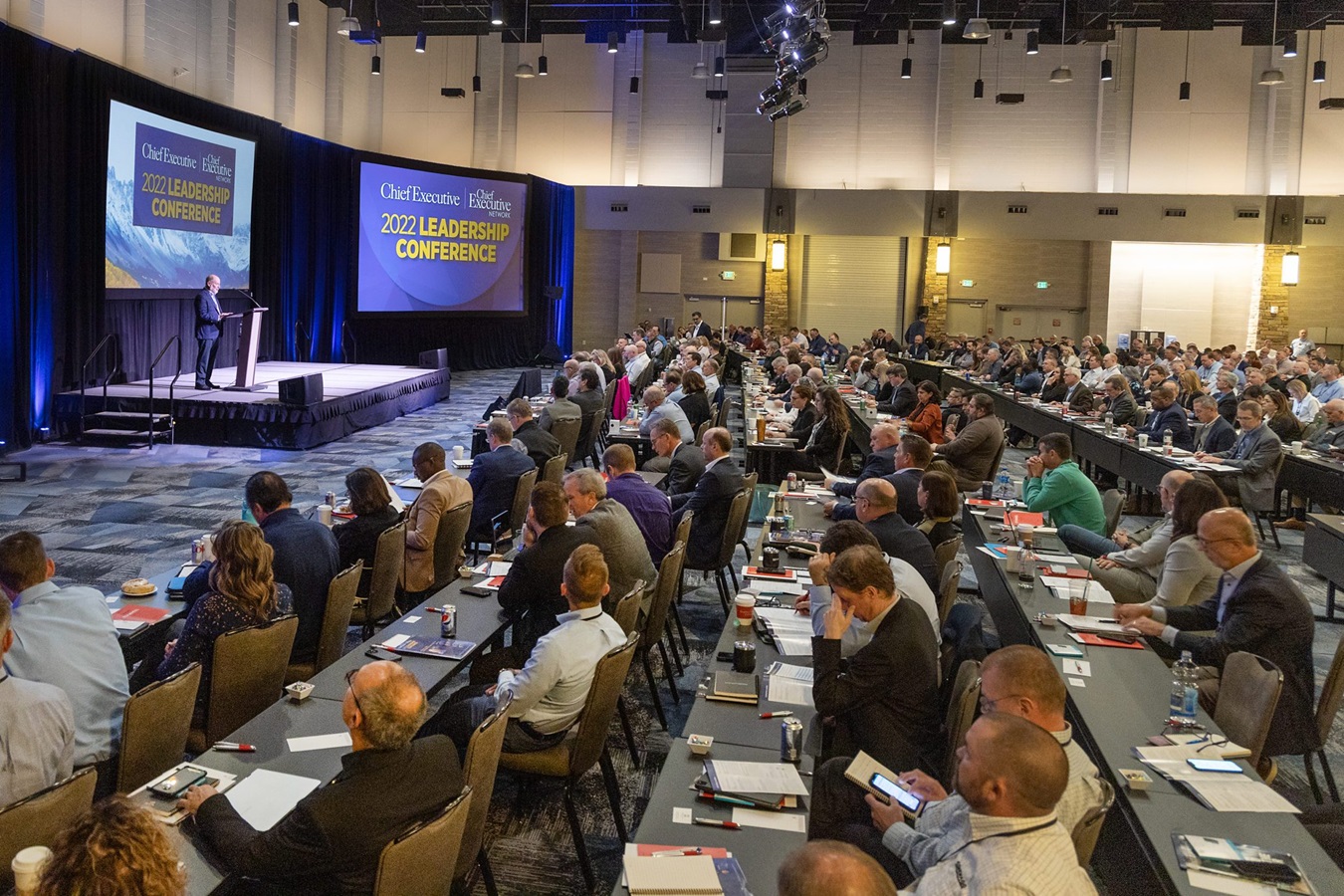
The organizers who successfully grow their events from 100-person shows to 2,000-person shows share a specific characteristic: they treated each step up in scale as a set of operational decisions that needed preparation, not just a bigger marketing push to the same audience. Selling more tickets is the result of scaling well. It is not the method.
The method is: knowing when your current setup is reaching its limits, making the operational changes before those limits become problems, and maintaining the audience relationship that made the early events work while extending reach to a larger pool of buyers. Each of those three things requires different thinking at different stages, and confusing them is how growing events stall.
The limits of small-event thinking
Every operational approach that works at a 100-person event will start to show strain at 500 people and break at 2,000. A single-scanner check-in works until the queue time exceeds what buyers will tolerate. A single-tier ticket structure works until it leaves enough revenue unrealised that the event's financial resilience is lower than it should be. Manual guest list management works until the error rate on a spreadsheet compiled from three email threads becomes an embarrassing operational failure on the door.
The signs that your current approach is approaching its limits are visible before the actual failure: a check-in queue that takes slightly longer than it should, a sold-out Early Bird tier that you set too large and therefore did not generate the social proof it was intended to, a post-event report that took more manual work to compile than it should have. These are the signals to change the approach, not the crisis that makes changing it urgent.
Building the audience relationship before you need to scale
The most important asset for an organizer scaling from local to large is the audience relationship built during the small-event phase. A promoter who has run 50-person shows for three years and retained attendee data from every one of them has a database of proven buyers. When they move to a 500-person venue for the first time, those proven buyers are the early sales that justify the larger venue commitment, the social proof that convinces new buyers, and the word-of-mouth that fills seats beyond the organizer's own promotional reach.
This is why attendee data management matters from the very first event, even when the scale does not yet seem to justify the discipline. The organizer who has a clean list of 300 past attendees when they take their first major venue step is in a fundamentally stronger position than the one who has to start their audience building from scratch at that moment. The ShowRave attendee export, retained after every event, is how that list is built.
The tier structure that scales with audience size
At small scale, a single-tier ticket structure is efficient and sufficient. At medium scale, Early Bird and General Admission is the minimum. At larger scale, a fuller tier structure, presale, Early Bird, General Admission, and VIP, is necessary to capture the value that different buyer motivations represent and to generate the early revenue that larger venues require before the full marketing campaign has run.
The tier structure should evolve one step ahead of the current event scale, not reactively after the current structure starts underperforming. If your 300-person shows are consistently selling out in the first week on a single tier, add an Early Bird and VIP tier before the step up to 800 people, so that the tier structure is tested and working before the scale change brings new operational pressure.
At stadium or large-venue scale, zone and section-based seating becomes relevant even if your earlier shows were fully standing. The seating plan feature in ShowRave handles this transition when you are ready for it, allowing you to configure zones, set independent capacity limits per section, and present buyers with a clear picture of what they are purchasing. Build familiarity with this configuration before your first large seated event rather than learning it under time pressure.
Marketing reach that grows without losing audience quality
Growing an event's audience typically requires reaching buyers beyond the core audience that attended the early shows. The challenge is that cold audience promotion converts at a lower rate and produces a different buyer profile than warm audience promotion. Managing this mix, warm audience maintained through direct communication and cold audience acquired through advertising, is the marketing challenge specific to the scale-up phase.
Affiliate links are particularly valuable during scale-up because they allow the organizer to deploy trusted community voices into new audience segments without losing the authenticity that drove early success. A regular attendee of the 100-person show who promotes the 800-person venue to their own network is introducing the event to cold buyers through a warm endorsement. That combination, trusted source and new audience, is the most efficient cold audience acquisition mechanism available for independent promoters.
The DP Generator at/dp-generatorserves a similar function: when existing buyers update their profile pictures with event artwork, their networks see the event through a trusted personal signal rather than as advertising. At scale-up moments, this organic social proof is the bridge between the warm audience and the cold audience the event needs to fill a larger venue.
What the operational setup needs to look like at each scale
The operational setup that is adequate for a 100-person show is not adequate for a 500-person show, and the setup adequate for 500 is not adequate for 5,000. Mapping the operational requirements at each scale target, before reaching it, is what allows the scale step to happen without a crisis.
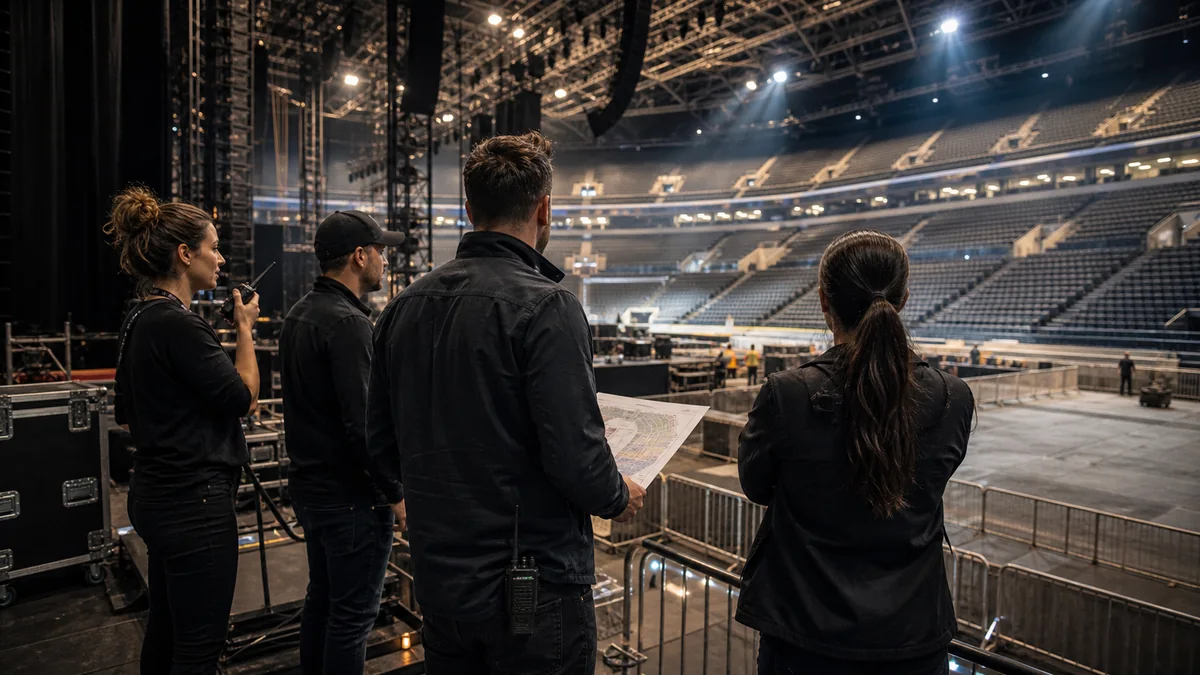
At 500 people: two scanner devices minimum, separate entry lanes for different ticket tiers if applicable, pre-event logistics email to all buyers 48 to 72 hours before, post-event attendee export reviewed and filed within 24 hours. At 2,000 people: four or more devices across multiple entry points, a gate-by-gate team assignment, an escalation structure with named leads per gate cluster, a live dashboard monitor designated during entry, and staggered arrival guidance in pre-event communication. At stadium scale: all of the above plus a formal entry operations plan, a licensed capacity monitoring protocol, and a scanner setup tested in situ at the venue before the event day.
The financial model that needs to change as you scale
The financial model that works for a 100-person event does not work for a 2,000-person event, and the organizer who does not adapt it in advance of the scale step will discover why the hard way. At small scale, a single ticket price at a modest level with a small surplus if the event sells out is an adequate model. At large scale, this model produces inadequate revenue per head, insufficient early cash flow to cover venue deposits and production costs, and a risk profile that requires near-complete sell-through to avoid a financial loss.
The tier structure, as described above, is the primary mechanism for improving the financial model at scale. But the pricing of each tier also needs to reflect the larger venue's costs and the higher production standards that large-scale events require. A 2,000-person show has production costs that a 100-person show does not: professional PA and lighting systems, security staff, multiple check-in stations, and venue hire fees that reflect the scale. The ticket prices need to cover these costs at a realistic sell-through rate, which almost always means higher prices than the organizer's small-event experience has trained them to expect.
The organizer who increases scale without increasing price, from a habit of charging modestly and hoping to fill the room, typically discovers that the larger event breaks even at best and underperforms financially despite being operationally more complex and demanding. Price with intention at each scale step, based on actual cost structures, not based on what the small-event audience was used to paying.
Discovery and new audience reach at scale
Events listed on ShowRave appear on theexplore page, where attendees browsing for events in their area can discover them without any direct promotion from the organizer. At small scale, this channel may contribute modestly. At larger scale, where the event's name and reputation are less universally known, passive discovery from a browse audience becomes a meaningful additional acquisition channel alongside the organizer's own promotion.
A complete event page, with a compelling header image, a specific description, accurate ticket types and pricing, and a clear capacity that shows how many places remain, converts browse traffic significantly better than a minimal event listing. Every element of the event page should be complete before any promotion begins, including the elements that serve organic discovery visitors who have no prior knowledge of the organizer or the event.
As the event grows in reputation and the attendee database grows in size, the passive discovery channel becomes less critical relative to the direct audience channel. At the scale-up stage, when the direct audience is not yet large enough to fill a significantly bigger venue on its own, every additional acquisition channel has disproportionate value. Configure the event page for discovery from the first moment, not as an afterthought once the direct audience has been emailed.
\n\nScaling from local to large is a test of whether the operational habits built at small scale were the right ones to build. Organizers who collected attendee data consistently, managed tier structures deliberately, and reviewed post-event data after every show arrive at the stadium moment with the audience relationships, the pricing intuition, and the operational competence that the larger venue requires. Those who treated small shows as informal exercises that did not need proper infrastructure arrive at the same moment without those assets, and they have to build them under pressure while simultaneously managing a much larger operational footprint. The habits are the investment. The scale is where they pay off.
When the scale step reveals capability gaps
Every organizer who scales to a new capacity level discovers at least one capability gap that the smaller scale did not expose. The scanner setup that handled 200 people in a single lane cannot handle 2,000 across multiple gates. The marketing approach that filled 300 seats from a personal network cannot fill 5,000 from the same source. The post-event spreadsheet that managed 100 attendee records cannot manage 5,000. Identifying these gaps before the scale step, rather than discovering them in operation, is the preparation that makes the growth transition functional rather than chaotic.