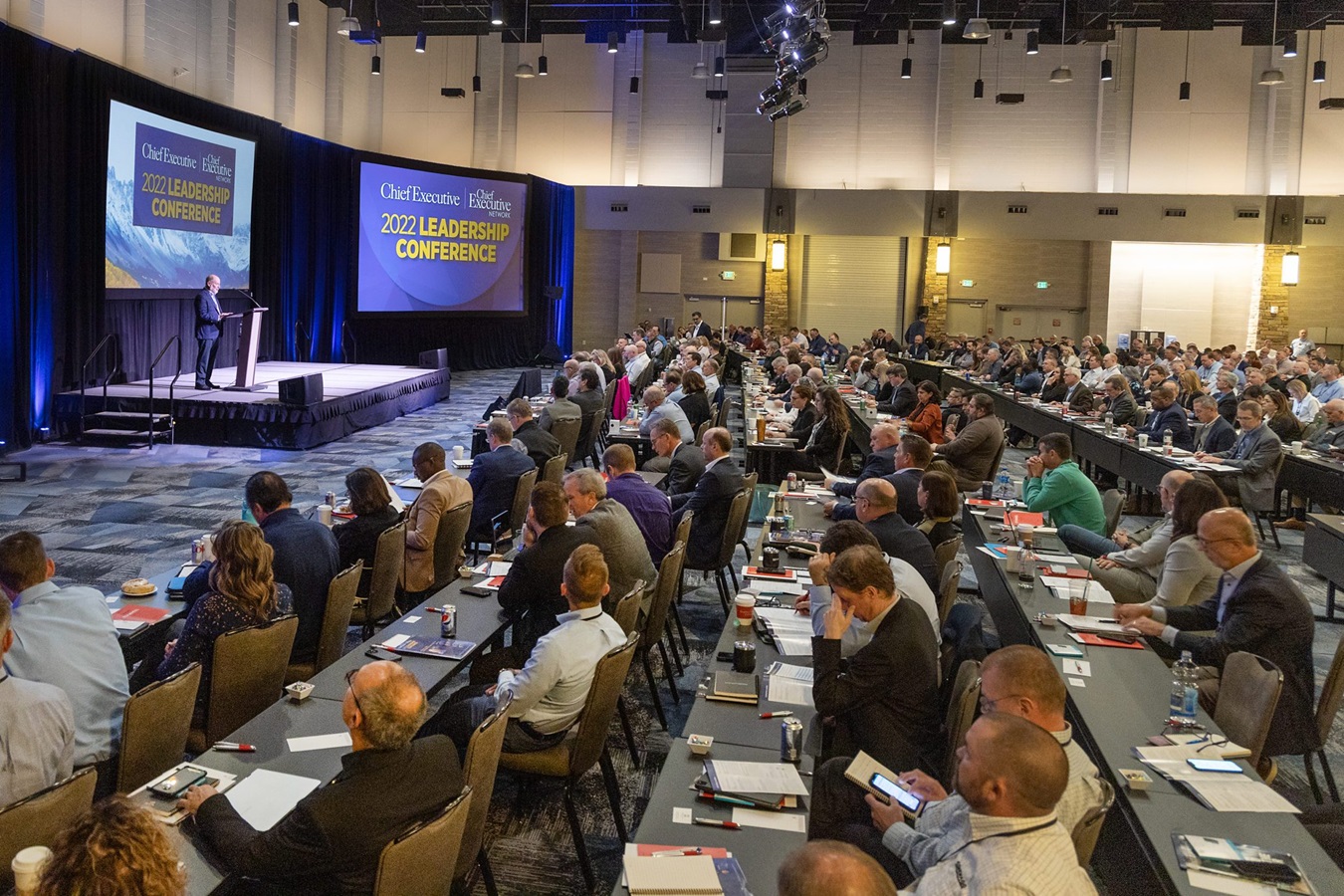

The value of a networking event is in the room, and the data that tells you who was there
A networking event succeeds when the right people are in the room. Every other element, the venue, the canapés, the structured activities, serves the primary objective of creating conditions where valuable professional connections happen. But knowing who was actually in the room afterwards, not just who registered, is the data that determines whether the event delivered on its objective and whether the right audience was reached.
Networking events that run without a proper registration and check-in system produce anecdotal outcomes. Organizers can say the event was well-attended and attendees seemed engaged. They cannot say specifically who was there, what their professional profile was, or which guests matched the target audience the event was designed to attract. That specificity is what separates a networking event program that builds a community from one that fills rooms without knowing why.
Ticket structure for mixed networking audiences
Most professional networking events have three distinct audience types, each with a different commercial arrangement: members or subscribers who attend at a reduced rate or for free, general professional attendees who pay standard admission, and sponsors or partners who receive complimentary places as part of a commercial arrangement. A single ticket type cannot serve all three correctly.
Configure three ticket types on ShowRave: a member or subscriber rate ticket for the existing community (which may be free or discounted), a standard guest ticket for new or non-member professional attendees, and a sponsor or partner complimentary ticket for guests attending as part of a commercial relationship. Each has its own price, its own capacity limit, and its own label in the attendee export.
This three-tier structure does more than handle commercial arrangements. It produces a post-event report that distinguishes between your existing community (who attended repeatedly), new guests (conversion rate from the event), and commercial partners (fulfilment of their sponsorship agreement). Each of these tells a different story about the event's performance.
Registration data that serves the event's purpose
For networking events, registration data is not just an administrative record. It is the raw material for post-event introductions, follow-up recommendations, and attendee matching. The more specific the professional profile captured at registration, the more useful the attendee list is as a post-event asset.
Useful registration fields for networking events: job title and seniority level; organization name and sector; primary professional interest or focus area (selectable from a defined list); what the attendee is hoping to get from the event (introductions to a specific type of person, partnership opportunities, new clients, new suppliers); and an opt-in for future event communications and post-event introduction matching.
Do not add fields for their own sake. Each field adds friction to the checkout and reduces completion rate for buyers who are undecided. Add fields that you will actually use in the post-event workflow. If you are not going to make introductions based on the "what are you hoping to achieve" field, do not include it. If you are going to use sector data to match buyers in the room, include it and use it.
LinkedIn as the primary promotion channel
LinkedIn is the correct primary digital channel for professional networking event promotion because the audience is already in a professional mindset and self-selected as interested in professional relationships. A well-targeted LinkedIn post about a networking event reaches people who are actively thinking about their professional lives, which is a fundamentally different context from the same content on Instagram or Facebook.
Effective LinkedIn promotion for a networking event leads with the professional outcome, not the event format. "An evening for HR directors building new supplier relationships in the talent space" is a proposition. "Join us for a professional networking evening" is a description. The first tells a specifically targeted professional whether they should be there. The second tells everyone and therefore tells no one in particular.
LinkedIn Events, linked to the ShowRave event page, creates a secondary discovery surface within LinkedIn's own event ecosystem. When connections click "Interested," that interaction surfaces in their connections' feeds, extending reach into the first-degree networks of interested attendees. For networking events where the quality of the guest list is a primary draw, visible social proof of professional attendees building ahead of the event is itself a promotional asset.
Affiliate links for professional networks
Professional networking events benefit from affiliate links in a specific way: the most effective promoters are usually other professional communities, associations, or organizations whose membership overlaps with the target audience. A professional association that refers its members to a networking event with a unique affiliate link both provides value to its members and generates attribution data for the organizer.
Configure an affiliate link for each partner organization, professional association, or corporate sponsor that is actively promoting the event to their network. Each link generates a commission on attributed registrations and creates a clean record of which professional community sent the most attendees. For networking events where the mix of attendees from different professional communities matters for the room's quality, this attribution data tells you which community relationships are commercially valuable and worth maintaining for future events.
The referral program at/partner/earncovers how ShowRave's affiliate system works for organizers building a partner promotion network.
Managing a hybrid free and paid networking event
Many professional networking events are free or low-cost, which creates specific challenges. Free events produce higher no-show rates than paid events because the commitment mechanism of a financial transaction is absent. For networking events where the room quality matters, a significant no-show rate is a commercial problem: the attendees who did show up have a less valuable room than they expected, and the organizer's reputation for delivering the guest list they promoted is at risk.
The most effective mitigation is a nominal registration fee, even if only modest. The act of payment creates a commitment that a free RSVP does not. For professional audiences who are attending on company time and company expense, a nominal fee is not a meaningful barrier. For events where a fee is genuinely not appropriate, a strong pre-event confirmation sequence, a reminder email at one week and at 24 hours, and a clear statement of the professional quality of the guest list in all communications creates the social commitment that replaces the financial one.
ShowRave's automated reminder emails go to all registered buyers in the days before the event. The pre-event communication sequence, supplemented by a customised confirmation for a professional audience, reduces no-shows by maintaining the salience of the commitment between registration and event day.
The post-event follow-up that makes the data valuable
A networking event's value is not fully realised on the night. The attendees who made connections at the event are ready to formalise those relationships in the 24 to 48 hours that follow, when the interactions are fresh and the context is clear. An organizer who sends a post-event email within 24 hours with a curated attendee list, a summary of who was in the room, and an offer to facilitate specific introductions is delivering value that makes the event memorable beyond the evening itself.
Export the ShowRave attendee list within 24 hours of the event closing. Filter for attendees who actually checked in rather than everyone who registered, so the post-event communication reflects who was genuinely present. The check-in data from the scanner app is the clean attendance record that makes this filtering possible without manual reconciliation.
For recurring networking events, the compounding attendee database is the most valuable commercial asset the program builds. Past attendees who found the event valuable are the most likely future buyers and the most credible referral source for bringing new professionals into the community. The database only builds if the registration data is captured cleanly and retained consistently across every edition.
What happens when the room does not match what was promoted
The single most damaging outcome of a poorly managed networking event registration is a room that does not match the professional profile that was promoted. If the event is described as a gathering for marketing directors and the room is filled with junior marketers who are there to meet senior people rather than to network as peers, the senior attendees have a poor experience and do not return. The event's reputation as a high-quality professional gathering is damaged in a way that takes multiple well-managed editions to recover.
The registration system is the primary mechanism for controlling the room's composition. Ticket types that reflect audience tiers, registration fields that capture professional profile data, and a pre-event communication that sets expectations about the type of professional who attends, all contribute to the self-selection process that brings the right people to the right event.
For events where room composition genuinely matters, such as invitation-only or curated events rather than open professional gatherings, the private event mode in ShowRave means the page is not publicly discoverable. Only people who receive the direct link can register. This is the right configuration for highly curated networking events where controlled access is part of the value proposition, and it is configurable from the event setup at/create/create-venue-event.
Measuring whether the networking event delivered
The metrics that matter for a networking event are different from a concert or gala. Attendance rate and room composition matter more than ticket revenue for most organizers. The number of new registrants (first-time attendees) versus returning ones tells you whether the event is growing its community or circulating the same group. The proportion of attendees who match the target professional profile tells you whether the promotion and registration process is filtering correctly.
These measurements are available from the ShowRave post-event export if the right data was captured at registration. Attendee profile fields, first-time versus returning buyer history, and check-in data that shows actual attendance versus registered headcount combine to give the organizer a specific picture of event performance that attendance numbers alone cannot provide.
Review this data after every networking event. The organizer who knows that their event consistently attracts a 70% return attendance rate has evidence of community health. The one who knows that their LinkedIn promotion channel sends a significantly higher-quality professional attendee than their email channel has evidence for promotional budget allocation. These insights are only available to organizers who collected the data consistently and reviewed it honestly after every edition.