Seminars and workshops are sold on outcomes, not atmospheres
The marketing challenge for a seminar or workshop is fundamentally different from the challenge for entertainment events. A concert buyer wants an experience they can feel. A seminar buyer wants a skill, a credential, an insight, or a network connection they can use. The decision to buy is made on the basis of what they will be able to do or know after attending, not on how good the evening sounds.
This shapes everything from how you write your event page to which marketing channels you use, which ticket tiers make sense, and what AddOns your buyers will actually want. Getting those decisions right requires understanding your audience's professional motivations rather than applying the same framework that works for entertainment events.
Seminar vs webinar vs workshop: the format decisions that matter
These three formats are sometimes used interchangeably but have meaningfully different attendee expectations and delivery requirements.
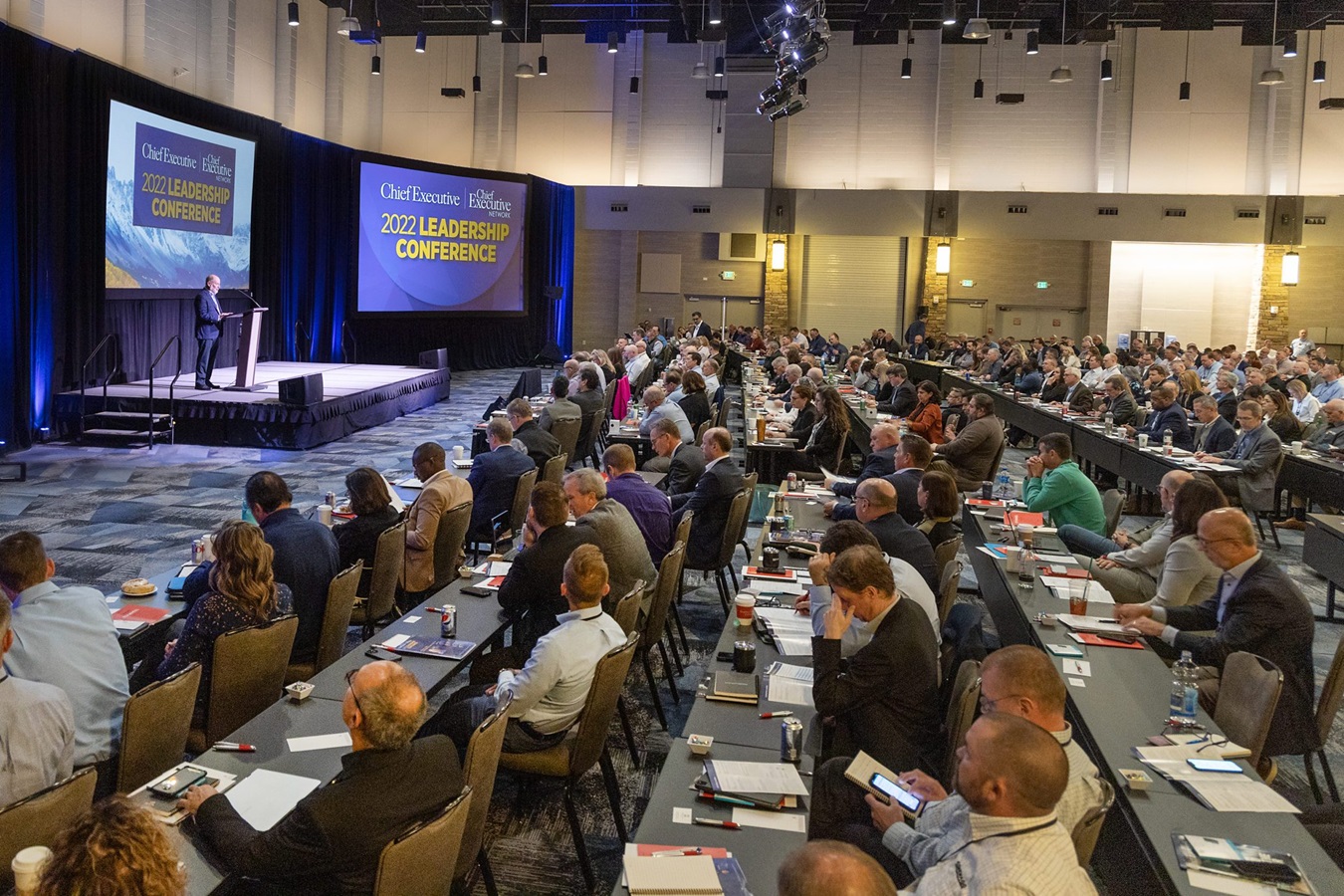
Aseminaris primarily a presentation format: one or more experts presenting to an audience that is primarily listening and occasionally asking questions. The value is in the quality of the content and the credibility of the presenter. Room layout is typically theatre-style or lecture-style with rows facing a front presentation area. The interaction level is structured and limited: Q&A at the end, perhaps small group discussion in defined segments.
Aworkshopis primarily a participation format: attendees learn by doing, practising, or working through exercises under guidance. The value is in the application of skills, not just the exposure to information. Room layout should support table groups, movement, and peer interaction. Classroom or cabaret layouts work better than theatre-style. The ratio of presenter talk to participant activity should be high on the activity side.
Awebinaris the online equivalent of a seminar, with the additional challenge of maintaining engagement across a screen-mediated experience. The principles from the virtual events guide apply here, particularly around session length, interactive elements, and technical reliability. The hybrid version, a physical seminar with an online streaming component, requires dedicated production attention to both audiences or one of them will feel underserved.
Choosing the right format requires honest thinking about what your attendees need to leave with. If the goal is knowledge transfer, a seminar format with a strong presenter works well. If the goal is skill development, a workshop with structured practice is significantly more effective regardless of how good your presenter is. If the goal is networking, neither pure seminar nor pure workshop serves it well: a format that includes structured networking time is worth designing explicitly.
Venue and room layout
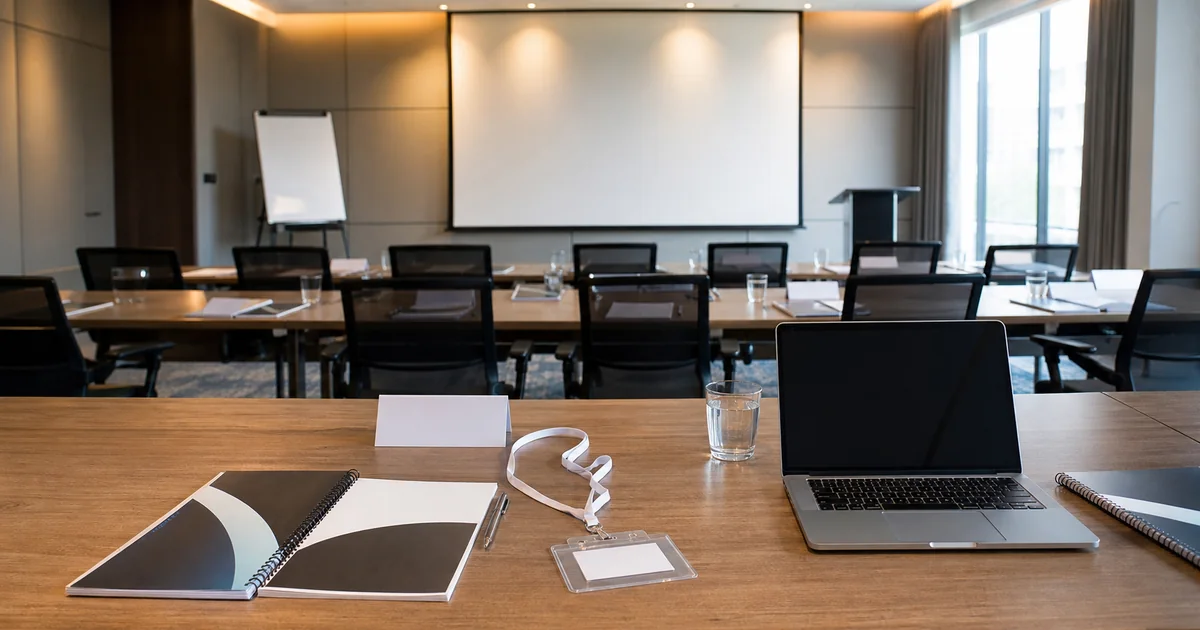
Room layout for professional events has a larger impact on learning outcomes and attendee experience than many organizers appreciate. A seminar audience in theatre-style seating is in the correct configuration for passive reception. A workshop audience in theatre-style seating is in entirely the wrong configuration for active learning and will feel cramped, awkward, and frustrated when they are asked to do activities that the room does not support.
For workshops, the minimum requirement is table groups with enough space between tables for participants to move comfortably and for the facilitator to reach every group. Breakout space is valuable for sub-group work. Natural light, working power sockets at tables for devices and chargers, and reliable Wi-Fi are practical necessities rather than luxuries for professional audiences who expect them.
Capacity should be set to serve the format. A workshop with 150 people cannot deliver the same quality of facilitated learning as one with 20. If demand justifies larger numbers, run multiple sessions or multiple dates rather than scaling a workshop format beyond what it can deliver well. The attendee experience at an overcrowded workshop is poor, and poor experiences produce poor reviews, refund requests, and non-renewal for future editions.
Ticket types for professional audiences
Professional event ticketing has different tier logic from entertainment events. The motivations that drive premium purchase in a concert or gala (proximity to a performer, exclusivity of experience) are replaced by different professional motivations: access, application, and status.
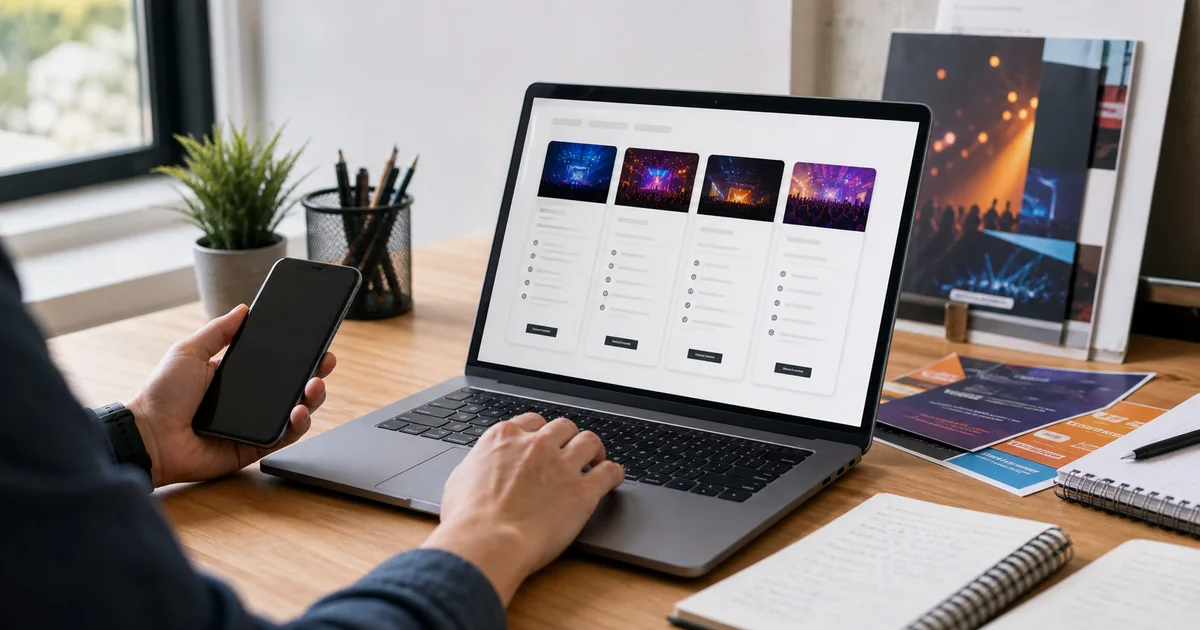
Astandard ticketcovers session access. AVIP or intensive tiermight add a smaller breakout session with the presenter, a one-to-one or small group consultation, or priority seating with access to the presenter during breaks. These are genuine differentiators for professional attendees who want more than passive attendance.
Corporate and group ticketsare particularly important for professional events because many attendees are sent by their employers rather than buying independently. A block booking at a group rate makes the purchase decision simpler for a manager who wants to send a team. Include corporate invoice availability if this audience segment is significant, as procurement processes in larger organizations require formal documentation.
Materials-inclusive ticketsbundle the cost of printed workbooks, resource packs, or digital materials into the ticket price. These are most effective when the materials have genuine standalone value and when including them in the ticket price removes a post-event purchase step that some buyers might defer or forget.
AddOns at checkout for professional events
Professional event AddOns typically focus on learning resources and follow-on access rather than merchandise. A recording of the session, a digital workbook, a supplementary reading list or resource bundle, a follow-on consultation session booked in advance, or a place on a future edition of the same event are all AddOns that professional audiences will genuinely consider at the point of ticket purchase.
Catering AddOns work particularly well for full-day events. A pre-ordered lunch or refreshment package removes a logistical uncertainty for attendees travelling specifically for the event and provides you with precise catering numbers in advance. Configure these with a clear order deadline in the description so buyers know when the option closes.
Marketing to a professional audience
LinkedIn is the primary digital channel for professional event promotion, but its effectiveness varies significantly by how specifically the event is positioned. A broadly described professional development seminar will underperform a specifically described one: the more precisely you can describe who this event is for and what they will leave with, the more relevant the content feels to a professional audience that is evaluating whether the time investment is justified.
Industry newsletters, professional association channels, trade publications, and specialist online communities often carry more weight with professional audiences than general social media advertising. A placement in the right professional newsletter can produce a higher quality of attendee (more senior, more engaged, more likely to buy) than a much larger social media audience with less focused professional relevance.
Past attendees are your highest-converting audience for successive editions. A professional development event that delivered genuine value produces attendees who recommend it to colleagues and return themselves. Maintaining a professional standard across every edition of a recurring workshop or seminar series is the most powerful long-term marketing decision you can make, because the referral network it builds over time significantly outperforms any paid acquisition strategy.
Managing registrations and pre-event communication
Professional audiences expect a higher level of pre-event communication than entertainment audiences. A confirmation email with essential logistics is the minimum. Beyond that, a pre-event communication with any preparation expected of attendees, pre-reading materials, topics to reflect on, questions to bring, or practical preparation for workshop exercises, significantly improves the quality of participation and the attendee's sense of value received.
Your attendee list gives you the contact details of every registered buyer, organized by ticket type. This allows you to send different pre-event communications to different tiers, which is particularly useful when VIP attendees have a different session structure or receive materials not included in the standard tier. The ability to segment communication by ticket type is one of the practical advantages of a ticketing platform over a simple registration form.
Managing registrations and using attendee data
A professional event attracts buyers who bring professional expectations to the registration process. A confirmation email that arrives immediately after purchase, contains all essential logistical information, and includes any pre-event preparation the attendee needs communicates that the event is organized and worth their time before they have attended a single session.
Configure your confirmation email to include, at minimum: the date, time, and venue address with transport links; a clear statement of what the attendee should bring or prepare in advance; the specific room or space within a larger venue if applicable; and a contact for logistical queries. For workshops that involve pre-reading, preparatory exercises, or advance material review, include those materials in the confirmation email. Attendees who arrive prepared participate more actively and report higher satisfaction, which produces stronger reviews and higher renewal rates for future editions.
Your attendee list, exportable at any point during the sales period, gives you a clear view of who is registered by ticket type. For professional events with multiple tiers, VIP or intensive access buyers may need separate pre-event communication that differs from the standard tier. Segmenting your communication by ticket type ensures each group receives the information relevant to their specific experience.
For events where group or corporate bookings are common, the attendee list helps you identify organizations that have sent multiple attendees. A follow-up to a company whose team attended the event, with an offer for a group booking at the next edition, is a commercial conversation that your attendee data makes possible and that you would otherwise have no systematic way to identify.
Managing no-shows is a specific challenge for professional events because no-shows at a paid workshop are financially costly and operationally disruptive if the format involves group work with a defined number of participants. Reminder emails in the week before the event are the most reliable no-show reduction mechanism available. For high-value workshops where a no-show creates a significant gap in a small group exercise, a direct message to registered participants 24 hours before asking for confirmation of attendance is a reasonable additional step.
The CTA that matches where the reader is
Once you have built your event page, configured your ticket types, and set up your pre-event communication sequence, the final step before promotion begins is checking that every part of the registration journey is clear from the buyer's perspective. Purchase a test ticket yourself, receive the confirmation, open it on a phone, and follow every link. The five minutes this takes will surface any issue before it affects a paying buyer.