Comedy nights live or die on the performer's audience, and the ticketing has to match
A well-run comedy night has three things working simultaneously: a lineup that gives people a specific reason to come, a venue that creates the right intimacy for the format, and a ticketing setup that captures commitment early enough to make the economics work. Get all three right and comedy nights are among the most reliable recurring event formats available to an independent promoter. Get the ticketing wrong and you end up with a sold-out room on social media that is two-thirds empty on the night.
The specific ticketing challenges for comedy events are distinct from most other formats. The venue is often small, which means capacity is tight and the difference between 80% and 60% fill rates is visible to everyone in the room. The audience often decides late, which means advance purchase rates can be low without specific incentives. And the performer is almost always the primary promotional channel, which means the ticketing setup needs to support performer-driven promotion through affiliate links as a core function rather than an optional extra.
Reserved seating versus standing: the format decision that shapes the tier structure
Comedy nights split between two physical formats: cabaret-style seating where tables are allocated and buyers choose a position, and theatre-style rows where seats are assigned or general. The format choice determines how ticket tiers are structured and what the checkout experience looks like for buyers.
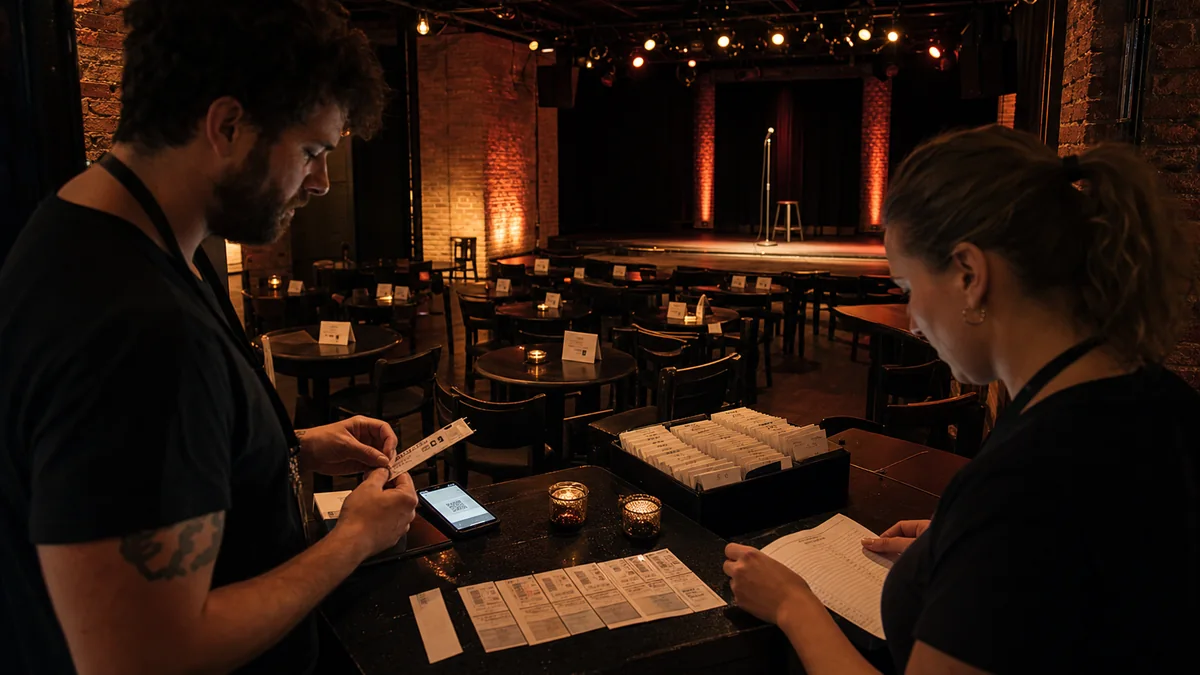
Cabaret-style comedy nights work well with ShowRave's zone-based seating. Configure sections of the room as distinct ticket types, front tables, mid-room tables, and back bar areas, each with their own price point and quantity. Buyers know broadly where they are sitting before they commit, which reduces pre-event queries and day-of disputes about seating expectations. Front tables at a premium, back bar at a lower price, with a realistic seat map that reflects the actual room layout, is the configuration that most closely mirrors what buyers experience at established comedy venues and sets accurate expectations.
Theatre-style comedy events, particularly for touring acts or one-off headline shows, typically use a general admission seated model: buyers purchase a ticket to the show and are seated on arrival. This is simpler to configure but produces less pre-event commitment because buyers have less skin in the game when their specific seat is not reserved. Pairing GA seating with a strong Early Bird tier that rewards early commitment compensates for the lower urgency.
The Early Bird that actually creates commitment
Comedy night audiences are natural last-minute buyers. They want to come but they will keep their options open until they feel a specific reason to commit. Early Bird pricing is that reason when it is configured correctly.
Set the Early Bird allocation as a genuine quantity limit, typically the first 25 to 35% of the room, at a price that represents a meaningful saving on the full advance price. The saving should be visible and specific enough to feel like a real benefit rather than a token gesture. A time limit helps but a quantity limit is more effective because the diminishing count creates urgency that counts down in real time rather than at an arbitrary date.
When the Early Bird tier closes, announce it. For a 100-seat comedy room, a sold-out Early Bird allocation means 30 to 35 confirmed buyers have already committed. That sold-out signal, shared through the event page and social channels, does more promotional work than any individual post because it turns the question from "should I go?" into "can I still get a ticket?"
Performer affiliate links: the most effective promotion channel for comedy
The performing comedian's audience is the highest-converting promotional channel available for a comedy night. Fans who follow a comedian specifically, watch their content, and identify with their comedy will buy a ticket to see them live at a conversion rate that no amount of general advertising can approach. The question is not whether to activate that channel but how to make it measurable and incentivised.
ShowRave's affiliate link system gives each performer a unique tracking link with commission on every ticket sold through it. For comedy nights, this means each act on the bill can share their own link, direct their audience to it, and earn a commission on the sales they drive. The organizer can see in the dashboard exactly how many tickets each performer's link generated, which is the data needed to understand which acts have the most commercially effective audiences and which promotional relationships to prioritise in future lineups.
Give affiliate links to performers when confirming the booking, not after the event is already on sale. Performers who receive their link at the time of confirmation have the maximum possible promotional window. Performers who receive it three days before the show have a last-minute push window at best.
The DP Generator for comedy audience identity
Comedy audiences share their enthusiasm publicly. Telling people you are going to see a comedian you follow is a social act: it is a statement about taste, about supporting someone's work, and about being part of that performer's community. The DP Generator at/dp-generatorconverts that impulse into a trackable organic promotion mechanism.
Attendees who update their profile picture with the event's branded frame tell their entire network that they are going. For audiences connected to the performing acts, this creates secondary reach into exactly the audience most likely to buy a ticket. The DP Generator is particularly effective in comedy communities because of the shared identity dynamic: fans of a comedian actively want to signal that membership.
Share the DP Generator link in the confirmation email and in the performer's communication to their audience. Include an example of what the frame looks like so buyers can see immediately what they are getting. Buyers who update their profiles in the first week after purchase generate promotion across a longer window than those who do it the night before.
Pricing and AddOns for comedy events
Comedy night pricing typically sits in a range that is lower than headline concerts but above free community events. The specific price depends on the act's profile, the venue's capacity, and what the organizer needs to cover costs at a realistic fill rate. The same break-even analysis that applies to any event applies here: the price multiplied by the expected attendance at a realistic sell-through rate needs to cover all costs with some margin. Set the advance price to achieve this at 65 to 70% capacity, and the door price to reward advance commitment.
AddOns work for comedy nights where the format supports them. A pre-show dinner or drinks package at a comedy club with a bar or restaurant is a natural AddOn: the buyer commits to eating before the show as part of the same checkout, the venue gets a confirmed food and beverage number in advance, and the average order value increases without any additional marketing spend. Configure the AddOn with a clear description of what is included, any reservation time implications, and a quantity limit that matches the restaurant's or bar's pre-show capacity.
Door management for a small comedy room
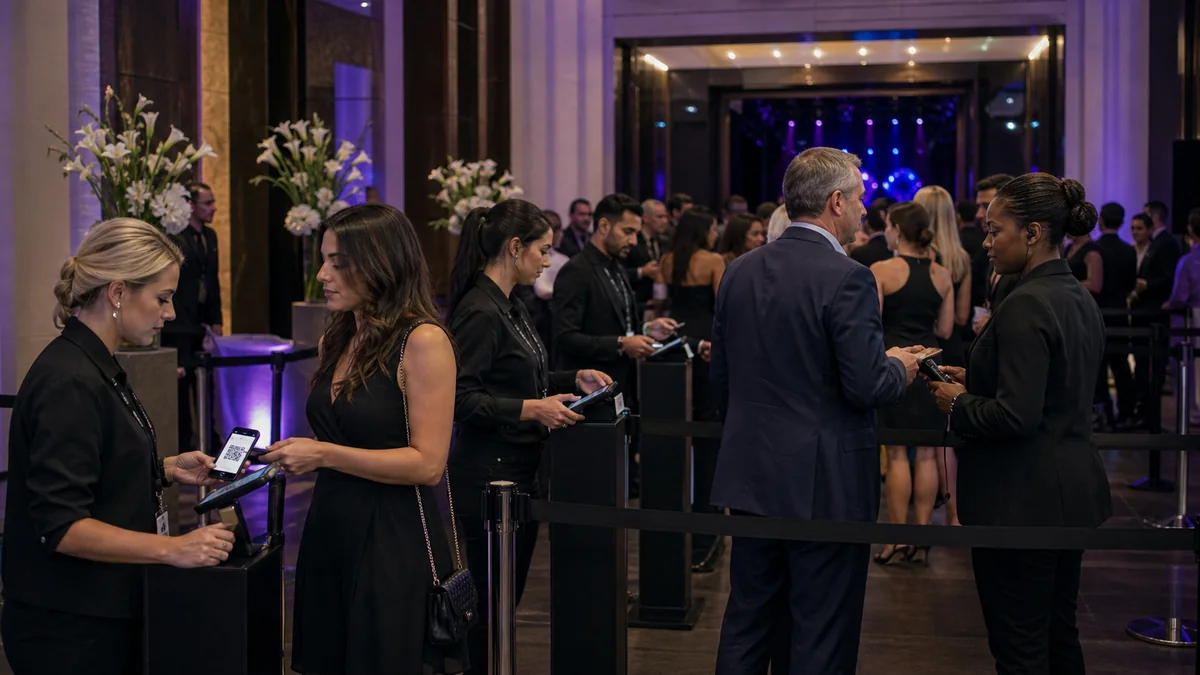
Small comedy venues have specific entry dynamics: a loud arrival during a performance is a significant disruption, which means entry management matters beyond just processing buyers through the door. Late arrivals at a comedy night can derail a performer's set if the room is not properly managed.
Download the ShowRave scanner app at/apps/scannerbefore the event. Assign a specific door manager whose sole responsibility during the show is handling the entry operation. For seated comedy rooms, have a seating plan or table assignment list ready so latecomers can be directed to their table with minimum disruption.
Configure a clear late entry policy in the event description: "Late entry may not be possible once the show has started to avoid disrupting the performance." This sets expectations before purchase and reduces the likelihood of disputes from buyers who were not aware of the format's entry requirements.
Building a returning comedy audience
The most commercially efficient comedy night is one that has a returning core audience supplemented by new buyers at every edition. Building that returning audience requires the same discipline as any recurring event: a clean attendee list from every show, a post-event email that keeps the relationship warm, and an early notification to past buyers when the next date is announced.
Export the full attendee list from ShowRave after every show. Send a thank-you email within 48 hours that mentions when the next edition is happening. Give past attendees first access to the next Early Bird tier before the public announcement. The audience that returns edition after edition is the foundation that makes the economics of a regular comedy night work, because their presence reduces the variable cost of filling a room with new buyers at every show.
Setting up the event page for a comedy audience
A comedy night event page needs to answer the question a prospective attendee is actually asking: who is on the bill, is this person funny, and is the room the right size for the comedy to work? The lineup, the venue character, and the seating arrangement are what sell a comedy event to someone encountering it cold.
Lead the description with the lineup. A specific name above the fold converts faster than a paragraph of atmosphere copy. If the headliner has credits, recent TV appearances, podcast appearances, or a recognisable body of work to a specific audience, include that detail. If they are an emerging act with a strong social following, reference the following rather than the credits. The audience is doing a trust calculation with the information you give them.
The venue matters for comedy in a way it does not for concerts. A small, seated, intimate room creates a different anticipation than a standing bar venue. Describe the room as specifically as its character merits: "a seated cabaret room of 80 with tables and stage lighting" tells a buyer what the experience will feel like. Include a room photo if one is available. A photo that shows the intimate scale of the space is a conversion driver because it tells buyers they will actually be able to see and hear the comedy clearly.
Set up your comedy night on ShowRave at/create/create-venue-eventand configure your Early Bird, advance, and door tiers before the first promotional post goes out. An event page that is live with accurate tier availability from day one captures the buyers who respond immediately to the announcement rather than losing them to the friction of a page that is not yet ready to sell.