For a fashion show, the ticket page is part of the brand
Fashion audiences evaluate everything through an aesthetic lens. The event page for a fashion show is not merely a functional ticket purchase mechanism; it is a first impression of the brand's visual standards, communication style, and production values. A buyer who arrives on a generic-looking event page for a fashion show will apply the same critical eye they bring to the collection itself. A well-designed, visually specific event page communicates that the show is run by people who understand aesthetics and have applied that understanding to every touchpoint, including the ticketing.
This means the header image on a ShowRave fashion show event page deserves the same attention that a campaign image would receive. The event description should read like editorial copy, not operational instructions. The ticket tier names should match the tone of the brand. These are not cosmetic concerns; they are conversion factors for an audience that is making purchasing decisions based partly on whether the event feels like their kind of thing before they have seen the collection.
Ticket structure for a fashion show
Fashion shows typically have a more controlled access model than most entertainment events. The guest list and the invitation determine the majority of attendance; public ticket sales, where they exist, are often secondary to the curated audience. The ticket structure should reflect this.
For shows with a mixed model, invited press and industry guests alongside a public-sale component, configure separate ticket types for each group. A press and industry ticket type, often complimentary, handles the invited audience through a free ticket registration that issues QR codes and captures contact details. A public ticket type at a paid price handles buyers who were not directly invited but want to attend. The private event setting in ShowRave can be used for the invitation-only component while the public component remains listed.
Front-row and premium position seating commands a significant premium at fashion events because proximity to the collection is the defining sightline difference. Configure a front-row or VIP tier with a strict quantity limit that matches the actual number of front-row positions in the venue layout. The scarcity of front-row tickets is genuine and should be communicated as such: "12 front-row tickets available" is accurate and creates legitimate urgency among buyers who specifically want that position.
Standing or gallery positions, for shows where the audience surrounds a runway or installation, are less differentiated by position but may still benefit from a tiered structure where buyers can choose between dedicated seating and standing viewing areas at different price points.
Merchandise drops and AddOns at checkout
Fashion show tickets and fashion merchandise are a natural pairing. Buyers attending a collection launch are the most engaged possible audience for the pieces they are about to see. A merchandise AddOn at checkout, where buyers can pre-order items from the collection before the show, captures purchase intent at the moment of maximum engagement with the brand.
For limited-run or capsule collections where scarcity is part of the commercial model, configuring the AddOn with a quantity limit that reflects the actual production run creates genuine collector urgency. A buyer who knows that only 50 pieces of a specific item will be produced and that ordering at ticket checkout is the first access point, before public release, has a specific and compelling reason to add to their order. This is the scarcity mechanic that luxury brands deploy across their sales model; ticketing provides a natural access point for it.
For brands where the show itself is the product rather than a platform for selling pieces, AddOns for program books, signed prints, or exclusive brand items connected to the specific collection serve the same commercial function without requiring available inventory of the collection itself.
Press and industry guest management
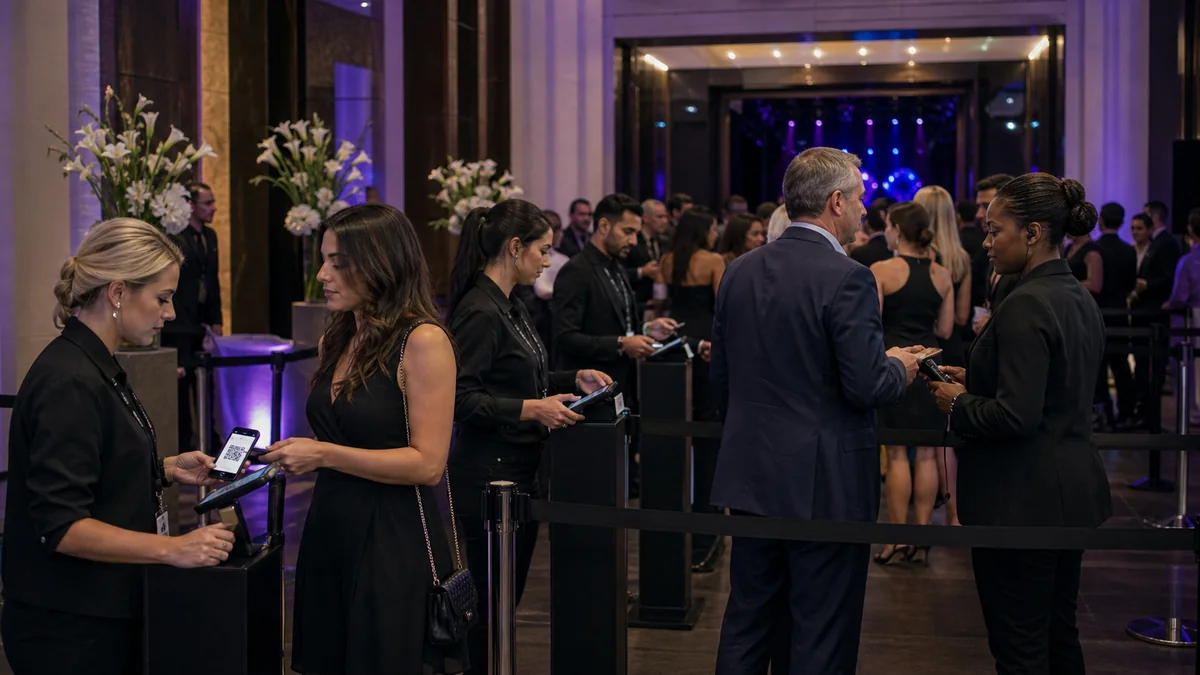
Fashion show press and industry guest management is a specific operational challenge because the guest list is curated carefully, changes up to the day of the show, and the individuals on it have professional expectations about how their attendance is handled. ShowRave's private event mode and free ticket types handle this cleanly: configure a private event page for the press and industry component, issue free tickets through direct link distribution rather than public listing, and use the attendee list to manage the curated guest experience.
For shows with a named seating arrangement for press and industry guests, the ShowRave attendee export provides the confirmed guest list that the seating team works from. Review it the day before the show to identify any last-minute additions or changes that need to be reflected in the seating plan. For shows where specific guests need specific positions, such as photographers who need access lanes or press who need a specific sightline to the collection, noting this in the registration confirmation process rather than managing it at the door reduces the day-of complexity.
Post-show content and the DP Generator
Fashion show audiences share their attendance publicly as a matter of cultural identity. A profile picture frame featuring the collection's visual identity, distributed through the DP Generator at/dp-generator, reaches the personal networks of every buyer who uses it with a specific, branded aesthetic signal. For fashion brands where audience members' visible association with the brand is itself a form of brand promotion, this is not incidental organic reach. It is part of the communication strategy.
Share the DP Generator link in the ticket confirmation email and in the pre-show communication to all registered attendees. Include an example of the finished frame so buyers can evaluate whether they want to use it without needing to generate a preview first. For shows where the frame design is particularly strong, the DP Generator adoption rate is meaningfully higher, which means the frame design deserves the same creative attention as the other visual elements of the show.
Configure your fashion show at/create/create-venue-eventfor venue shows or/create/create-online-eventfor digital or hybrid shows. Set up the ticket tiers, private and public configurations, merchandise AddOns, and the DP Generator frame before the first invitation goes out.
Timing and the fashion calendar
Fashion shows exist in relationship to the fashion calendar, whether officially, as part of fashion week schedules, or informally, as independent brands producing seasonal collections. The timing of the show relative to the fashion calendar affects both the promotional approach and the buyer's motivation for attending.
Shows that coincide with fashion week in a major city benefit from the heightened industry attention and media presence that the broader fashion week context creates. Independent shows that run outside the official fashion week schedule benefit from being the only show in town on their date, without the competition for press and buyer attention that fashion week creates.
For the event page, reference the seasonal and calendar context where it strengthens the show's positioning: "Autumn/Winter collection preview" or "Opening the season with..." connects the show to the fashion calendar in a way that buyers and press understand as a cultural signal. For independent shows with no fashion week affiliation, the show stands on its own identity rather than borrowing calendar context; the event page should lead with the brand and the collection rather than the date's position in a calendar.
Hybrid digital and in-person fashion shows
Fashion shows increasingly operate in hybrid formats: a live runway presentation for an invited in-person audience alongside a digital stream for a broader online audience. The ticketing infrastructure for each component differs in its requirements but can be managed from the same ShowRave event setup.
Configure in-person ticket types with the physical venue capacity limits, seating arrangements, and appropriate registration data requirements. Configure a separate digital access ticket type for the online component, linking the digital stream access instructions in the ticket confirmation email or a pre-show communication. The attendee export distinguishes in-person from digital attendees by ticket type, which supports the post-show analytics needed to understand the reach of the collection across both audiences.
For digital fashion shows where the collection is the entire product, the event page becomes the primary brand expression for a global audience. The visual quality of the header image, the editorial quality of the description, and the specific tier structure for digital access all carry more weight than in a physical show where the venue and physical experience provide context that supplements the page.
Post-show: the collection and the community
The 48 hours after a fashion show is when the social sharing of the collection is at its peak. Attendees are posting, press is writing, and the show is trending in its community. The DP Generator campaign, the merchandise AddOn fulfilment, and the post-show communication to all registered buyers should all happen in this window while the collection is fresh in the audience's attention.
For brands building a community around their shows across multiple seasons, the post-show email is both the close of the current show's campaign and the opening of the relationship with buyers for the next collection. Include a note about what is coming next, even if the details are not yet confirmed, and offer registered buyers the first opportunity to express interest in attending future shows. The fashion audience's relationship with a brand is built across collections, not just single shows; every communication touchpoint is an opportunity to deepen that relationship.
\n\nThe fashion show that builds a returning audience of buyers, press, and industry contacts across multiple collections is the one whose organizer treats each show as the foundation for the next rather than a standalone production. The ShowRave attendee data, the affiliate attribution from performer and community partner links, the DP Generator reach data, and the merchandise AddOn sales together tell the story of which elements of the show are building lasting audience relationships and which are producing transactional one-time interactions. Use that data deliberately after every show to make the next one more commercially and culturally effective than the last.
\n\nA fashion show that is well-ticketed, thoughtfully communicated, and followed up with genuine creative care for the audience builds the kind of brand loyalty that subsequent collections benefit from. The attendee who attended the last show and had their expectations met is the easiest buyer for the next one.