A film screening is one of the most format-flexible events you can ticket
The same ticketing infrastructure handles a free community documentary screening in a village hall, a paid independent film premiere at an arthouse cinema, and a themed cult-film night with a drinks package and a costume competition. What changes across these formats is the pricing model, the ticket tier structure, and the AddOns that make commercial sense. What stays the same is the need for a confirmed guest list, capacity management, and a registration that captures the data the organizer needs to run the night.
Film events also have a higher proportion of last-minute buyers than most other ticketed formats, particularly for regular cinema programming and community screenings. The ticketing setup needs to accommodate both the advance buyer who reserves a specific seat and the walk-in buyer who shows up on the night and expects to pay at the door if capacity allows.
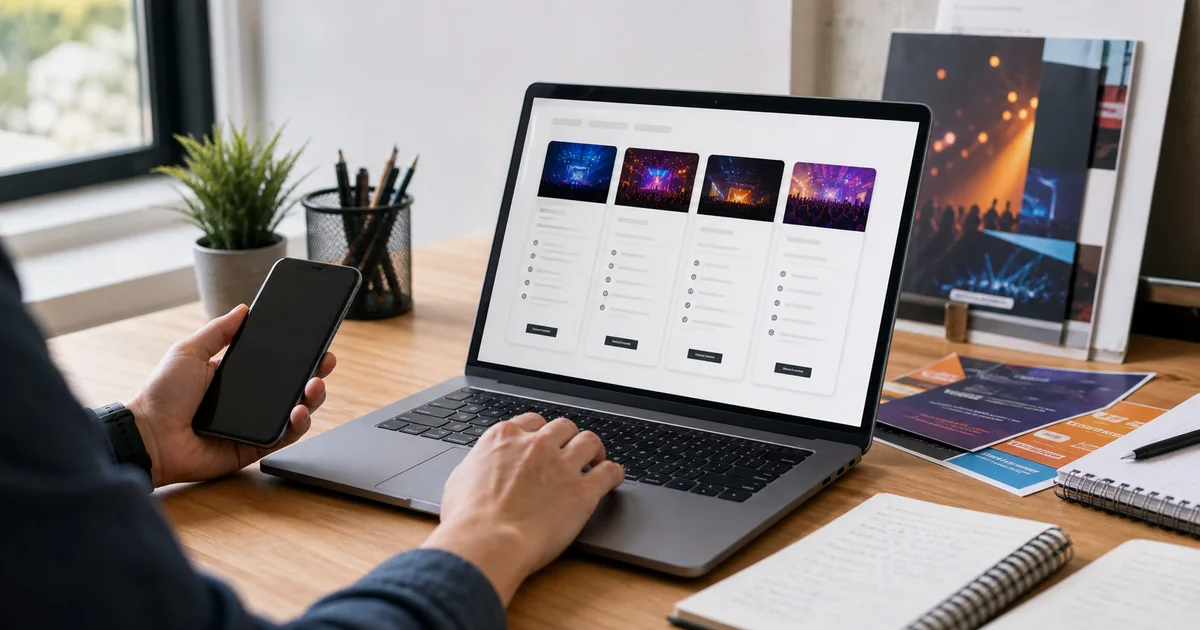
Ticket structure for the most common film screening formats
A standard paid film screening needs three ticket types in most cases: an advance standard ticket at a price that covers the organizer's costs at realistic fill rate, an advance concession ticket for students, seniors, or community members at a reduced price, and a door ticket at a price above the advance rate to incentivise advance purchase and allow walk-in revenue when capacity is not yet full.
For premiere or special screening events, the standard tier structure from the entertainment guide applies: Early Bird at a meaningful discount below standard admission for the first confirmed buyers, Standard Admission at the operational break-even level, and a Premium or VIP tier for experiences that genuinely differ from standard admission such as a pre-film Q&A session with the filmmaker, a post-film drinks reception, or a reserved front-row section.
For double bills, themed marathon screenings, or festival-format events with multiple films across one day, session-based ticket types with independent capacity limits manage the flow. A Morning Session ticket is different from an All-Day Pass, which is different from a specific film slot ticket. Each type closes when its allocation is gone, leaving the others available. A buyer who wants only the evening screening can buy for that session specifically without needing a full-day pass.
Reserved seating for film events
Cinema audiences have clear seat preferences: some want the center front third, some prefer the back row, some need aisle access. A film screening with reserved seating allows buyers to choose their position at checkout, which reduces the door management complexity of people arriving early specifically to secure preferred positions.
ShowRave's seating plan feature handles zone-based seating, where buyers choose a section rather than an individual numbered seat, and individual seat selection where the full seat map is presented at checkout. For small screening venues under 100 seats, zone-based seating, front-third, mid-section, back-third, covers the meaningful preference differentiation without the overhead of managing a full seat number map. For larger or more formal screening venues, individual seat assignment is the standard that cinema audiences expect.
Configure accessible seating positions as a clearly labelled zone with a direct contact route for buyers who need specific arrangements beyond the standard seat selection options. A film screening audience is diverse in age and mobility, and accessible seating planning built into the ticket structure is preferable to reactive accommodation at the door.
AddOns that work for film events
The most commercially effective AddOns for film events are the ones that are directly related to the viewing experience: a pre-film drink, a themed food item that connects to the film's setting or era, a printed program for significant screenings, or a physical copy of a cult film on a collectible medium for collector audiences. These AddOns convert because they enhance an experience the buyer is already committed to, not because they represent a separate commercial transaction.
For premiere and filmmaker screening events, a Q&A session with the director or cast is the most premium AddOn available: limited places, significant value to film-interested buyers, and a genuine differentiator from the standard screening experience. Configure it as a capacity-limited AddOn, separate from the standard ticket, so that the Q&A session has its own attendance count and can sell out independently of the general screening capacity.
For community cinema events, a program donation AddOn, where buyers can add a small contribution to support the continuation of the screening series, captures community investment at the moment of ticket purchase without changing the core ticket price structure for buyers who want to attend without contributing beyond their ticket.
Promoting a film screening
Film audiences discover screenings through channels specific to cinema culture: local arts listings, film society newsletters, Letterboxd for cinephile communities, cinema-focused social accounts on Instagram and Twitter, and university film society networks for student-oriented screenings. General entertainment social media reaches a broad audience; these specialist channels reach the film-engaged audience specifically.
For screenings of films with an existing fan base, whether a cult classic, a new release by a filmmaker with a following, or a documentary on a topic with an engaged community, affiliate links to the community that surrounds the film produce the highest-converting promotion. A film appreciation group whose members are specifically interested in this genre or filmmaker, given a unique link to the screening, brings an audience already motivated to attend rather than a general public that needs to be persuaded of the value.
The DP Generator at/dp-generatorworks particularly well for cinephile audiences who publicly identify with specific films and filmmakers. A profile picture frame featuring the film's imagery or the screening's visual identity reaches personal film-interested networks with a trusted personal endorsement. Film culture has strong aesthetic identity; the visual quality of the DP Generator frame matters more for a film event than for most other formats.
Day-of operations for a film screening
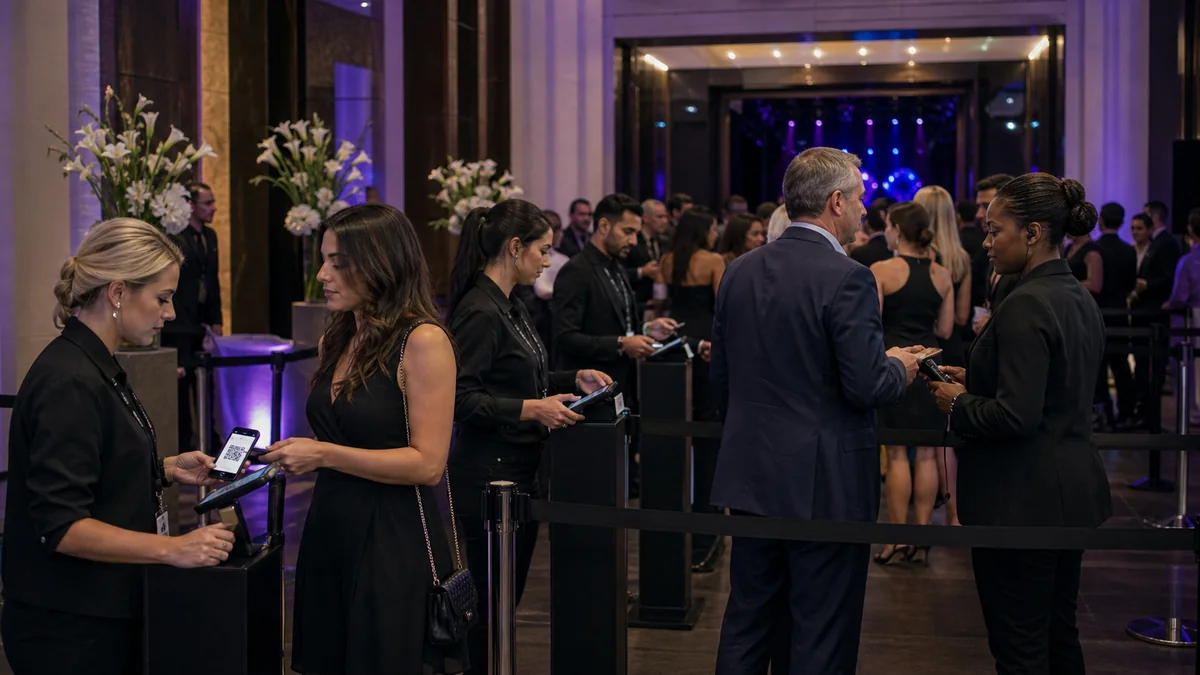
Film screening check-in has a specific timing consideration: the vast majority of buyers arrive in the 15 to 20 minutes before the screening starts, because unlike a concert or social event, arriving early at a cinema has limited value beyond securing the preferred seat. This means the entry peak is concentrated and short, which requires a scanner setup that can process arrivals efficiently within a narrow window.
Download the ShowRave scanner app at/apps/scannerbefore the screening. For screenings of more than 100 people, two scanner devices operating simultaneously prevent a bottleneck at the doors-open moment. Brief the door team that the scanner works on printed tickets and phone screens equally: film audiences often have tickets in email or screenshots rather than in dedicated apps.
For Q&A sessions configured as AddOns, the scanner records which buyers selected the AddOn in their order. The organizer can use the attendee export to prepare the Q&A seating or access list without manual verification at the door. Buyers who selected the Q&A AddOn are visible in the export and can be directed to the correct space after the main screening.
Building a recurring film screening audience
Regular film screening programs, whether a monthly community cinema, a weekly arthouse series, or an annual film festival, benefit from the same audience retention principles that apply to any recurring show. The attendee data from each screening, retained consistently across the program, is the foundation of the warm audience database that makes each subsequent screening easier to fill than the previous one.
Export the ShowRave attendee list after every screening. Over time, the aggregate database tells the organizer which film genres, formats, and themes attract the most engaged and most return-prone audience. A documentary program that consistently produces a 40% returning audience across editions has evidence that its specific audience values the curation. A mixed genre program with a lower return rate may benefit from more focused programming or more targeted promotion to the specific community each film is most relevant to.
For recurring screening series, the post-screening email is the first step in the retention sequence. Send it within 48 hours while the film is fresh. Include a brief note about the next screening and give past attendees early access to tickets before the general announcement. A regular cinema audience that always hears about the next film first builds a loyalty habit that is far more commercially efficient than re-acquiring the audience from scratch each month.
The ticket page as the press and community anchor
A well-configured ShowRave page for a film screening serves multiple functions beyond ticket sales. It is the source of truth for press and listings submissions: a journalist or listings editor who wants to verify the film title, running time, screening date, and ticket price can do so from the event page without contacting the organizer. It is the destination link in all promotion: social posts, newsletter mentions, and press coverage all point to the same URL. And it is the community page for attendees who want to share the event: the DP Generator frame, the event description, and the header image all serve the purpose of giving the screening a presentable identity that buyers can share with their networks.
Configure the event page with specific attention to the film metadata: title, director, year, running time, and a brief description of the film's themes and tone. This information is what film-interested buyers are evaluating when they decide whether this is a film they want to see on this screening's terms. A film description that reads like a marketing summary is less useful than one that gives a film-literate buyer a genuine sense of whether this is their kind of film.
Create your film screening at/create/create-venue-event. Configure ticket tiers, seating if applicable, and any AddOns before the first promotional post goes out. The page should be fully live before press contacts receive the pitch.
\n\n\n\nA film screening that is well-ticketed, well-promoted through the right channels, and followed up effectively after each edition builds a loyal cinema audience that is more valuable than the single-show headcount suggests. The organizer who treats each screening as one instalment in an ongoing program, rather than a one-off event to be promoted and forgotten, produces an audience that grows in engagement and commercial reliability with each film added to the series.