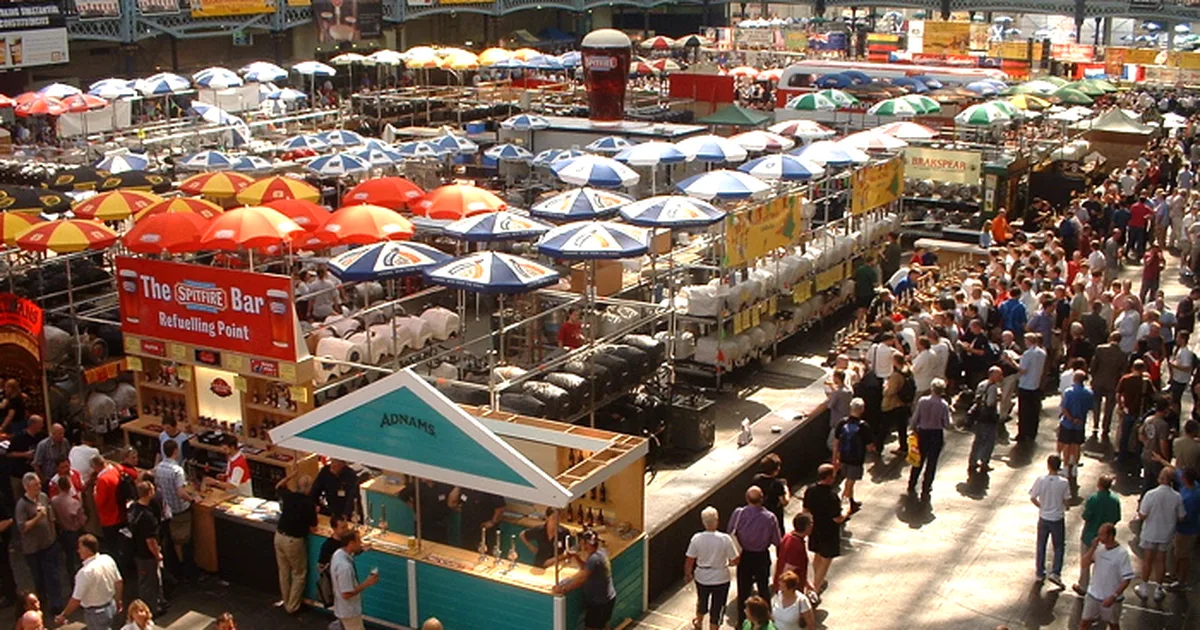
Tasting events sell a sensory experience in a controlled environment, not just access to a room
A beer or wine tasting is a curated experience: a specific selection of products, a guided format, a defined duration, and a capacity that is part of the product's value proposition. The intimate, guided character of a well-run tasting is what buyers are paying for. If the room is too full, the experience degrades. If the format runs over time, the next session's buyers are inconvenienced. If the dietary and allergen data was not captured in advance, the organizers cannot confirm which products are safe for every participant.
The ticketing configuration for a tasting event needs to reflect this controlled character from the first buyer interaction. Session-based capacity management, age restriction display, dietary information capture, and AddOns for products available at checkout are all standard elements of a professionally configured tasting event page. Setting them up correctly before the first ticket is sold is what allows the event to deliver on its promise.
Session-based capacity: the configuration that manages the experience
Most tasting events run in multiple sessions, with an afternoon tasting and an evening tasting being the most common format, or a morning and afternoon session for events that attract both enthusiasts and professionals. The session structure allows the organizer to control the number of attendees per session, which directly determines the quality of the experience. A tasting with 20 people per session feels different from one with 60, even in the same room.
Configure each session as a separate ticket type in ShowRave with its own capacity limit. When the afternoon session sells out, only that session closes; the evening session remains available for buyers who arrive on the page after the afternoon has closed. Include the session time clearly in the ticket type name: "Afternoon Session, 2pm to 4pm" rather than just "Session 1," which tells a buyer nothing about when the experience takes place.
For premium masterclass sessions with very limited capacity, such as a guided tasting with the winemaker or a tutored vertical of a specific producer's wines, configure these as separate premium ticket types with a higher price and a quantity that reflects the intimate character of the session. A masterclass for 12 people priced at a meaningful premium communicates the exclusivity of the experience correctly and converts buyers who specifically want that level of access.
Age restriction: front and center
Alcohol tasting events are age-restricted events without exception in every jurisdiction where they operate. The age restriction should be stated prominently in the event title or subtitle, in the ticket type names, and in the event description. "All attendees must be 18 or over (21 or over for US events)" is not a detail that belongs at the bottom of the description; it belongs at the top, where buyers encounter it before they decide to purchase.
Stating the age restriction prominently before purchase prevents the dispute at the door where a buyer who brought an underage companion discovers on arrival that their companion cannot enter. That buyer either loses their ticket value, disrupts the event entry, or requires an organizer decision that creates friction for everyone at the door. A clearly stated restriction before purchase means every buyer has been informed before they committed.
For events where age verification at the door is a legal requirement rather than just a policy, brief the door team specifically on the verification process before the event. The ShowRave scanner app validates the QR code; age verification is a separate, manual step that must be completed before or simultaneously with the QR scan for every attendee.
Dietary data for food-inclusive tastings
Tasting events that include food pairings, canapés, charcuterie boards, or any other food element alongside the drinks require dietary information from every attendee. A serious food allergy in the context of a guided tasting is a safety issue, not just a catering preference. The information must be captured before the event, communicated to whoever is preparing or handling the food, and acted on for every affected attendee.
Configure a dietary requirement field as part of the ticket registration on ShowRave. Include a separate free-text field specifically labelled "Allergies" rather than combining it with dietary preferences: a buyer who is coeliac has a medical need, not a preference, and the field labelling should reflect this distinction. Include a deadline note in the ticket description for when dietary information can no longer be accommodated.
Export the dietary data from ShowRave before any food is ordered or prepared. The export gives the organizer a precise count of each dietary category and a record of every allergy declaration. Share this with whoever is preparing the food elements as the definitive brief. If last-minute dietary changes arrive on the day, have a process for handling them that does not rely on improvisation at the tasting table.
AddOns that convert for tasting events
Tasting event buyers are spending an afternoon or evening with a specific product category they care about. They are the most receptive audience in the world for purchasing products or experiences related to that category. AddOns at checkout capture this receptiveness at the moment of maximum engagement.
High-converting tasting event AddOns: a take-home bottle of a featured product, where the buyer can select the specific bottle from the tasting lineup; a mixed case of three or six bottles from the producers featured at the tasting, available at a discount to tasting attendees; a physical guide or tasting notes booklet for buyers who want a permanent reference beyond the guided tasting itself; and a follow-up masterclass at a later date, available to tasting attendees at a preferential price before it opens to the public.
Configure each AddOn with a specific quantity limit where appropriate. A limited allocation of a specific bottle, where the organizer has secured a defined quantity from the producer, creates the same genuine scarcity mechanism that Early Bird tickets create in entertainment event campaigns. A buyer who sees that only eight bottles of a highlighted wine are available at checkout has a specific, time-limited reason to add it during the same transaction rather than intending to purchase later and forgetting.
Promoting a tasting and reaching the right audience
Tasting events reach their most receptive audience through channels specific to the drinks community: wine and beer enthusiast newsletters, sommelier and wine educator networks, hospitality industry communities, food and drink Instagram accounts, and local speciality retailers who stock the products being tasted. These channels reach buyers who are already engaged with the product category and who are predisposed to attend a guided experience around it.
Affiliate links from ShowRave work well for tasting events when given to producers, importers, wine merchants, or specialist retailers who stock the products featured. A wine merchant who sends their customer list a unique link to a tasting featuring their producers is reaching buyers who have already demonstrated interest in exactly the wines being tasted. The conversion rate from this audience is significantly higher than from a general social media campaign, because the relevance is pre-established.
Create your tasting at/create/create-venue-event. Configure session-based ticket types, the age restriction statement in the description, dietary fields, and the product AddOns before any promotion begins. A tasting event page that answers every practical question a buyer has before they ask it converts at a higher rate and produces fewer pre-event queries than one that leaves details to be resolved through organizer communication.
Building a tasting series audience
Tasting events that run as a recurring series, whether monthly, quarterly, or seasonally, build a community of enthusiasts whose attendance compounds across editions. The buyer who attended the spring tasting and had a positive experience is the most motivated person in the world to book the autumn tasting. Their conversion rate from the post-event follow-up email is dramatically higher than any cold audience's response to the same event promotion.
Retain the ShowRave attendee export from every tasting. Send a post-event follow-up within 48 hours that thanks attendees, shares one highlight from the tasting, and provides early access to the next session before the public announcement. For a recurring tasting series, this post-event email is simultaneously the closing of the current session and the opening of the next campaign.
The attendee database built across multiple tastings tells the organizer which producers, regions, or styles generate the strongest return attendance rate. A producer whose tasting consistently fills and converts buyers into returning attendees has a relationship with the audience that the organizer can leverage for future programming decisions. A style that attracts first-time buyers but does not generate returns may be attracting an audience whose broader interest in the category is lower than the specific occasion suggested.
Age restriction compliance at the door
The age restriction for an alcohol tasting is not optional and is not managed by the ticketing system alone. The QR scan validates the ticket; age verification is the organizer's and venue's legal responsibility at entry. Brief the door team before every tasting session specifically on the age verification requirement: every attendee must produce valid age identification on request, regardless of apparent age. For events in markets where challenge age policies apply, include the applicable challenge age in the door team briefing as a specific policy rather than a general instruction.
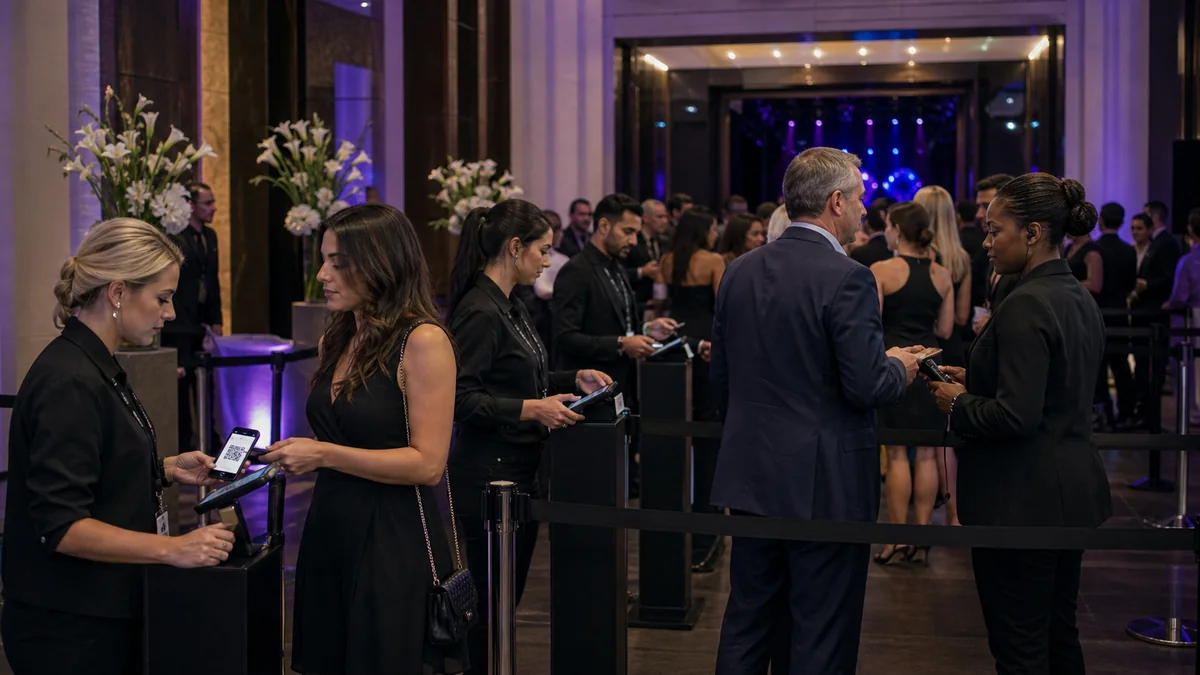
The ShowRave scanner app validates QR codes quickly; the age check is the step that requires additional attention. For tastings with a queue at peak arrival time, a two-person entry team, one scanning and one verifying ID, prevents the queue from building while ID checks slow the entry rate. Brief both roles clearly before doors open so the coordination between them is smooth rather than improvised.
Partnerships with producers and merchants
The most credible promotion for a wine or beer tasting is the one that comes from the producers or merchants whose products are being featured. A producer who promotes a tasting featuring their wines to their own customer list is reaching buyers who have already purchased those wines and who are the most motivated possible audience for a guided experience around them.
Configure affiliate links for each producer or merchant partner. Share the unique link with each partner alongside the invitation to promote the tasting to their audience. The attribution data from each partner link tells the organizer which producer relationships are most commercially effective for driving registrations, which informs both the partner outreach for future tastings and the programming decisions about which producers to feature most prominently. A producer whose link consistently drives the most attendees is a relationship worth investing in beyond the tasting itself.