Cultural festivals serve the community first, then the public
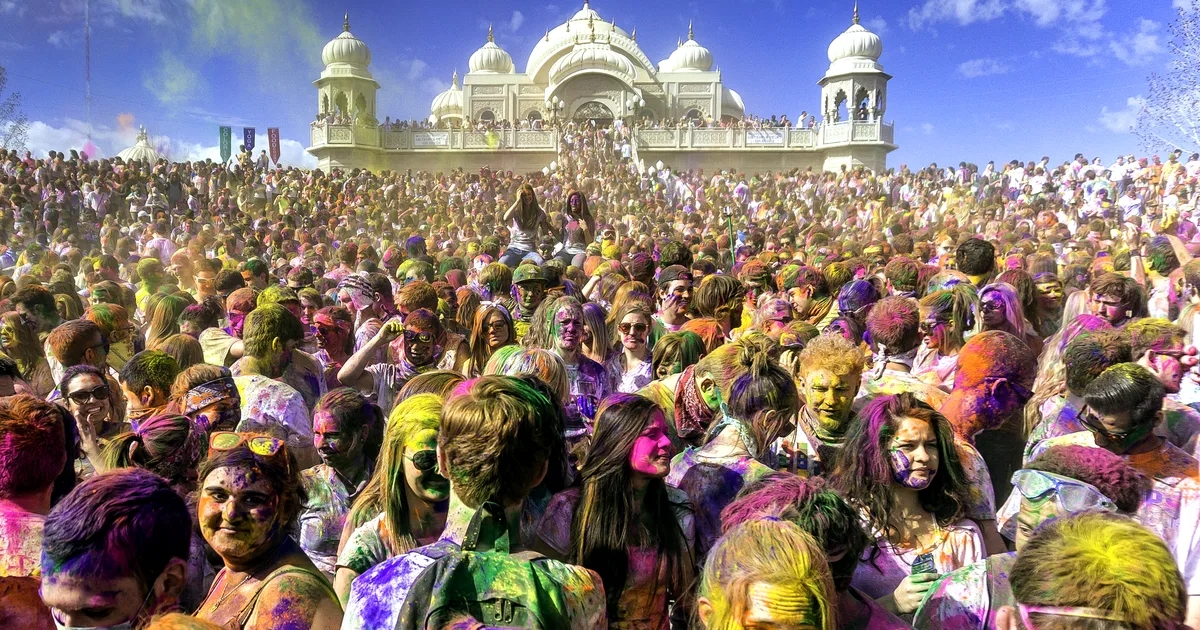
A well-run cultural festival or heritage celebration has two audiences with different relationships to the event. The community whose culture is being celebrated has a primary relationship: this is their history, their practice, their identity being expressed in public. The general public, the media, and visitors from outside the cultural community have a secondary relationship: they are guests at something whose primary meaning is not theirs.
The ticketing structure should reflect this distinction. A cultural festival that prices out the community it is celebrating has made a fundamental error in its commercial model. Free or low-cost community access, alongside appropriately priced tickets for general public and premium experiences, is the configuration that serves both audiences and keeps the event's cultural integrity intact.
This guide covers how to structure a cultural festival or heritage celebration on ShowRave to serve both the community audience and the general public audience, while generating the revenue needed to sustain the event.
Ticket structure for mixed free and paid access
Most cultural festivals benefit from a tiered access structure that combines free entry for some elements with paid ticketing for others. The free-entry layer provides broad community access and generates the footfall and atmosphere that makes the festival feel alive. The paid layer captures commercial revenue from specific premium experiences that justify a ticket price.
Common configurations: free general admission to the festival grounds with paid tickets for headline performances in dedicated performance spaces; free daytime programming with paid evening headline events; free community market access with paid workshops, masterclasses, or cultural demonstrations with limited capacity; and free attendance with paid AddOns for specific food or craft items from cultural vendors.
Configure each access type as a separate ticket type on ShowRave, even free ones. A free ticket issued through ShowRave gives the organizer a confirmed attendee count for the free elements, which is useful for capacity planning, catering, and reporting to funders. It also provides the contact details and communication channel needed to send pre-festival logistics information to registered attendees.
Community access: pricing that keeps the community in the center
For festivals funded partly through community grants or cultural organization support, a community rate at a significantly reduced price, or entirely free, for members of the specific community being celebrated is both ethically appropriate and often a funding requirement. Configure community tickets as a separate free or low-cost tier with a clear description of who the rate is intended for.
The private event setting in ShowRave can be applied selectively: a community ticket link can be distributed through community channels, such as a community newsletter, a cultural organization mailing list, or a community social media group, without being publicly visible on the general event listing. This ensures that the community rate reaches the community it is intended for while the public-facing event listing presents the standard admission pricing to the general audience.
For festivals with a formal community membership or cultural organization affiliation structure, a coupon code distributed to members provides a more controlled mechanism for the community rate than a separate private link. Members enter their code at checkout to access the community price; the code data tracks redemption and prevents the rate from spreading beyond its intended audience.
Multiple categories and the discover page
Cultural festivals often span multiple ShowRave categories simultaneously: Arts, Music, Community, Religion, Food, and Social may all apply to a single festival depending on its program. The category selection in ShowRave determines where the event appears in the explore page at/explorebrowse results. For cultural festivals, selecting the category that most precisely describes the primary audience motivation, typically Community or Arts, will place the event in the browse results section where the most relevant audience is searching.
For festivals with international or diaspora audiences, the general public discovery benefit of the explore page may be less important than the direct communication through community channels. Invest more in the direct community channels, such as cultural organization communications, diaspora community social groups, and cultural media, than in broad public discovery. The community audience who knows about the festival and the public audience who discovers it through explore page browse will both find the event page; the community audience should be reached first and directly.
Cultural media and community promotion
Cultural festivals are among the events that cultural media covers most enthusiastically, because the coverage serves both the media's audience and the cultural community's visibility. A well-pitched press release to the relevant cultural media, diaspora press, community radio, and cultural organizations often produces coverage that general event promotion channels cannot match for the specific audience the festival serves.
The pitch should lead with the cultural significance of the event rather than its entertainment value: what community is being celebrated, what cultural practice is being expressed, why this specific year or edition is particularly significant, and who within the community is involved as performers, practitioners, or organizers. Cultural journalists covering this beat are looking for these specific elements because their readers are the community whose culture is being covered.
Affiliate links through ShowRave work effectively for cultural festivals when given to cultural community organizations, diaspora media outlets, and cultural associations whose audiences directly overlap with the festival's community. Each organization's unique link attributes the sales they drive and earns them a commission that creates a tangible benefit for their support of the festival.
After the festival: community relationship and next year
The most commercially and culturally valuable asset a cultural festival builds across multiple editions is its relationship with the community it serves. The attendee data from ShowRave, specifically the contact details of buyers who opted in to future communications, is the foundation for the direct relationship that makes the next edition's communication possible. Treat it with the care that the community relationship deserves: communicate only with opted-in contacts, be specific about what each communication is about, and prioritise the community audience in every communication before the general public announcement.
Send the post-festival email to all attendees within 48 hours. Include highlights from the program, a note of gratitude to the community and performers who made it possible, and an indication of when the next edition will happen. For heritage celebrations that mark a specific annual occasion, this closing email is also the first communication for the following year's event, setting the expectation of continuity in the community's mind before the memory of this year's edition has faded.
Accessibility and inclusivity in cultural festival ticketing
Cultural festivals and heritage celebrations have a specific responsibility around accessibility that entertainment events share but that is particularly acute in community-facing cultural contexts. A community that has historical experience of exclusion or limited access to public spaces and cultural institutions will notice when a festival celebrating that community's culture is itself inaccessible. The accessibility configuration of the festival should reflect the same values that motivate the festival's existence.
Configure accessible ticket types and accessible venue information in the ShowRave event page before the first ticket goes on sale. Include a clear contact route for accessibility requirements that cannot be accommodated through the standard ticket options. Brief the door team specifically on accessibility provisions at the venue and on the protocol for attendees who arrive with needs that were not communicated in advance. For cultural festivals where elders, participants with mobility needs, and families with young children are a significant proportion of the community audience, these provisions are not edge cases. They are central to whether the festival actually serves the community.
Managing volunteer door teams
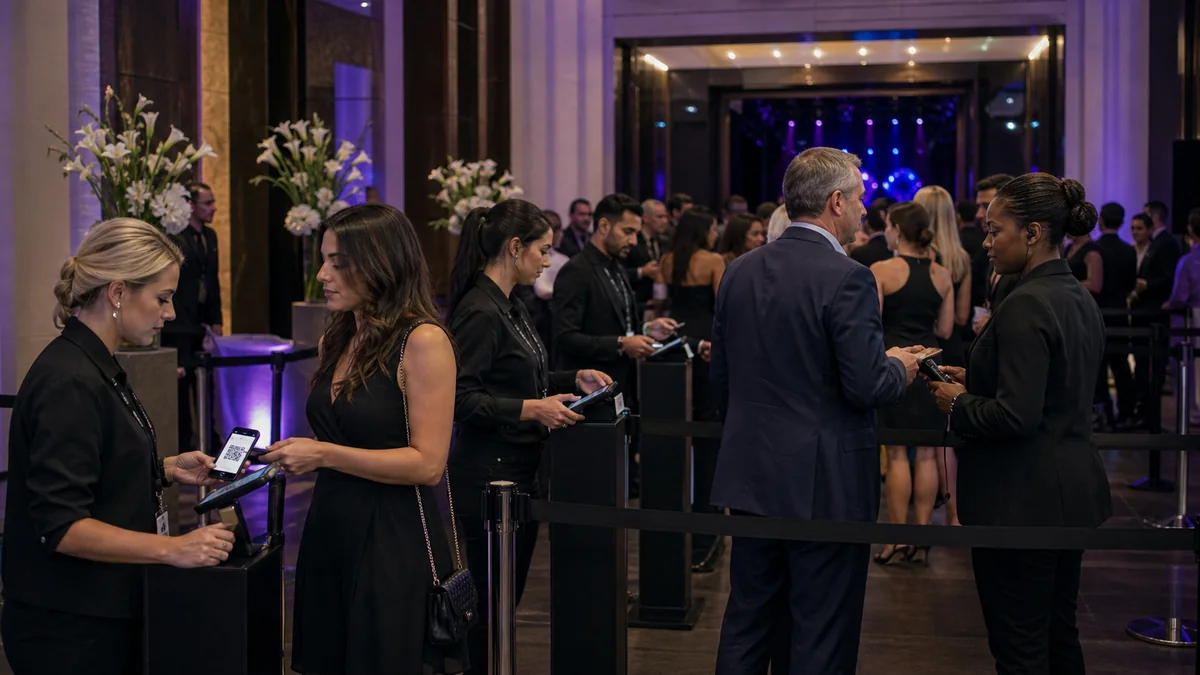
Cultural festivals run by community organizations typically depend on volunteers for all door operations, including check-in. The ShowRave scanner app at/apps/scanneris designed to be usable by volunteers with no prior technical experience: point at the QR code, observe the result. Most volunteers are confident within the first few scans. A brief team briefing before doors open covers everything they need to know.
For festivals with large free-entry components and smaller paid ticketed components, coordinate the volunteer door team to distinguish between the two: free entry admits everyone without scanning, while ticketed areas or sessions require QR validation for confirmed ticket holders. Brief this distinction clearly in the pre-event team meeting so that the volunteer at each entry point knows exactly which process applies at their specific post without needing to make judgement calls under pressure.
Funding reports and attendance documentation
Cultural festivals funded through arts councils, community grants, or heritage organizations typically have post-event reporting requirements that include confirmed attendance figures, demographic reach data where available, and evidence of the event's community impact. The ShowRave attendee export provides the verified attendance count and the registration field data that feeds these reports.
For festivals where geographic reach is a reporting criterion, configuring a postcode or city field in the free ticket registration captures the data needed to demonstrate reach beyond the local neighbourhood. For festivals where the proportion of community versus general public attendance matters to funders, separate ticket types for community access and general public admission produce a clean breakdown in the export without manual categorisation after the event.
Configure your cultural festival at/create/create-venue-event. Set up the tiered access structure, community rate tickets, and any paid premium experience types before any promotion goes out. The festival page, when correctly configured, serves simultaneously as the public-facing promotional asset, the community communication hub, and the registration and check-in infrastructure for the full event program.
\n\nThe cultural festival that builds a trusted, well-attended, returning community over multiple editions does so because it takes the community relationship seriously at every operational level: accessible ticketing, transparent pricing, culturally appropriate communication, and a post-festival follow-up that honors the community that made the event meaningful. ShowRave provides the operational infrastructure. The cultural integrity and the community relationship are the organizer's responsibility and the festival's most valuable asset.
\n\nA cultural festival that serves its community well, is accessible in its ticketing, transparent in its pricing, and honest in its post-event communication builds the trust that fills the next edition faster. That trust is the most valuable asset any cultural organizer can build, and it grows with every festival that delivers on its promise.