
A ticketed dining event is the format where registration data has the highest safety stakes
At most events, missing a dietary requirement produces an inconvenient conversation. At a ticketed dining event, missing a serious food allergy produces a medical emergency. The gap between these outcomes is entirely determined by whether the registration process captured complete and accurate dietary information from every diner before the menu was finalised and the food was prepared.
This is why restaurant dining event and supper club ticketing is a distinct discipline from general event ticketing. The data capture is not a nice-to-have. It is a core operational requirement that affects how the event is delivered safely and how the kitchen is briefed. Getting the configuration right at the setup stage means the information arrives complete and usable. Getting it wrong means a series of follow-up calls in the week before the dinner that take time and still risk gaps.
Capacity and seating configuration
Dining events operate with the tightest capacity constraints of any event format because the capacity is not defined by a room maximum but by the physical table configuration. A restaurant with 30 covers can accommodate 30 dining guests. Selling 31 tickets to a 30-cover dinner is not recoverable on the night without significant disruption to every diner at the table.
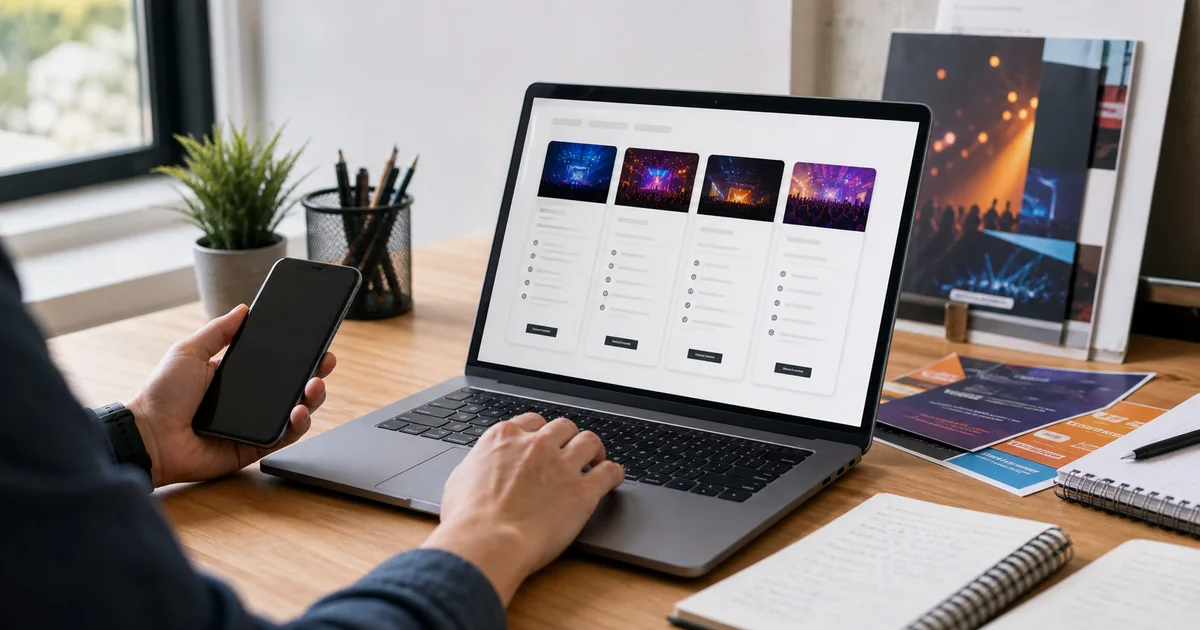
Configure ShowRave with a ticket capacity limit that exactly matches the venue's dining capacity, not the fire safety maximum. For events with multiple seatings, such as an early and a late sitting at a restaurant that turns the room, configure separate ticket types for each sitting with independent capacity limits. When the 7pm sitting sells out, only that sitting closes. The 9pm sitting remains available. Buyers who see the 7pm sitting is full can choose the 9pm without any friction from the organizer.
For supper clubs with a single long table format, the capacity limit reflects the physical table length and the number of place settings that can comfortably fit. For events with a specific spatial character, such as an intimate eight-seat chef's table, a 20-seat pop-up in a converted space, or a 60-cover private dining room, the capacity limit is the design specification of the space, not an approximation.
Dietary data: the configuration that matters most
Configure dietary requirement capture as a required or strongly encouraged field for every ticket type at a dining event. A free-text field for dietary requirements with a separate free-text field specifically for allergens, labelled explicitly as allergies rather than preferences, produces the most complete and actionable data. Buyers who have serious allergies understand the distinction between a preference and an allergy; the form should make it equally clear.
Include a deadline note in the ticket description for when dietary information can no longer be accommodated. Most professional catering operations need confirmed dietary data at least five to seven days before the event to source appropriate ingredients and prepare allergen-free dishes safely. A note in the ticket description and the confirmation email, stating the dietary deadline explicitly, sets the expectation with the buyer before any follow-up is needed.
For events where the menu includes multiple options, such as a set menu with a choice of starter and main course, use ShowRave's AddOn feature to present the menu choices at checkout. Each AddOn represents a course option: "Starter: Seared scallops or Heirloom tomato salad" presented as two AddOn options for the starter. The buyer selects at checkout, the kitchen receives confirmed counts from the export, and the event coordinator does not need to chase 40 individual menu confirmations before the dinner.
Pricing a dining event: the premium signals that convert
Dining events typically command higher per-head prices than entertainment events because the buyer is purchasing a curated, time-limited experience that is directly comparable to a restaurant meal but with additional curation, exclusivity, or social context that justifies a premium. The pricing needs to reflect both the commercial reality of food cost and the perceived value of the experience.
For supper clubs and pop-up dining events, the price per head should communicate the quality level of the experience rather than just covering cost. A ticket price that is too low for the evident production value of the event signals to the prospective diner that something is amiss: either the quality will not be as described or the organizer does not understand the market they are competing in. Price deliberately to match the experience being offered.
For events with an optional drinks pairing, a premium wine flight, or a cocktail welcome, configure these as checkout AddOns with specific descriptions. A buyer who selects a wine pairing at checkout is making a premium add-on decision at the moment of maximum commitment to the evening. This conversion rate is significantly higher than a follow-up offer after the ticket is purchased.
Communication for dining event buyers
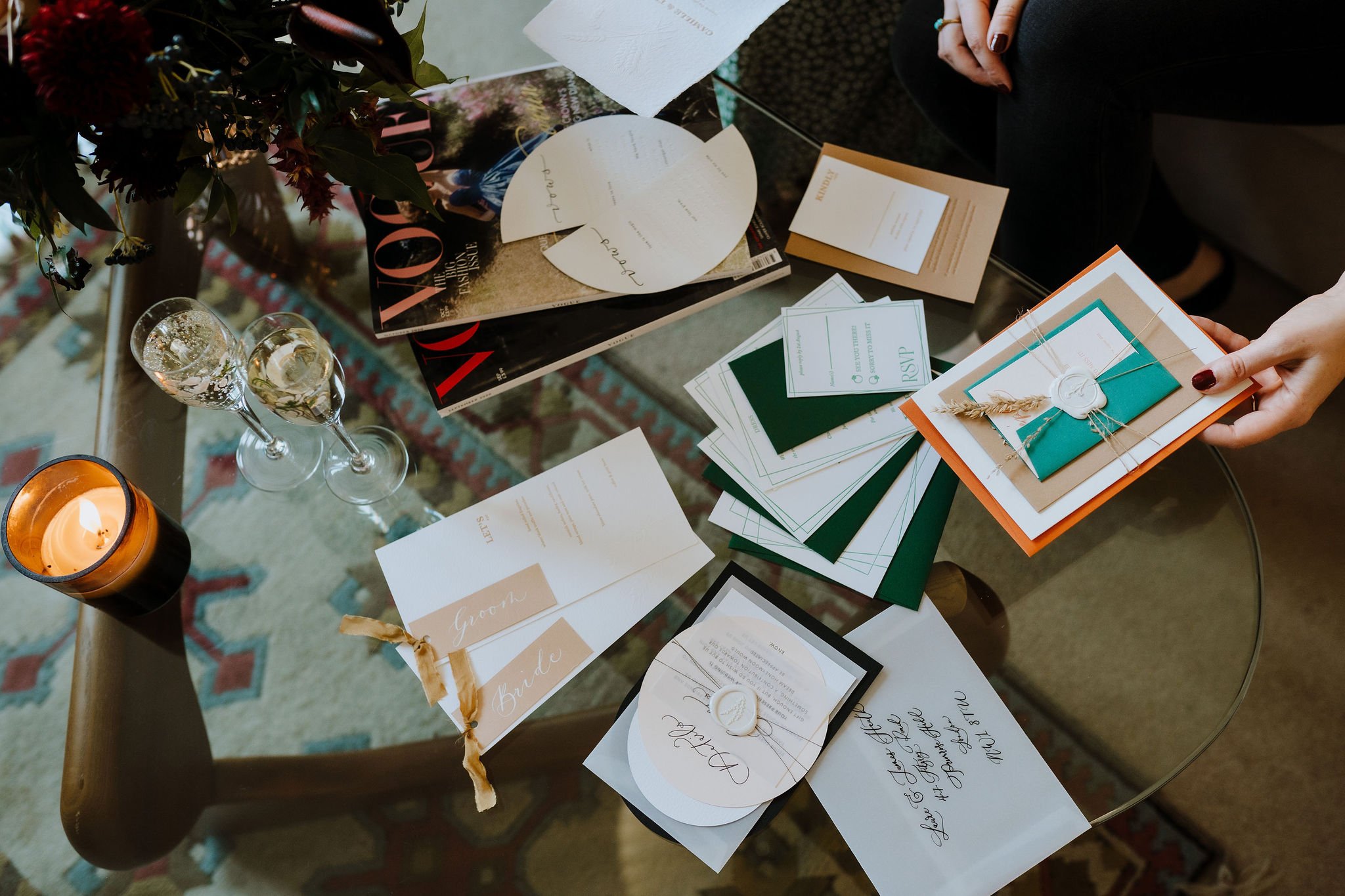
Dining event buyers expect a higher level of pre-event communication than most other event types, because the experience involves a significant investment of time and money and the quality of the evening is affected by practical information the organizer needs to communicate: the exact address and any entry instructions specific to a private dining space, the start time and the recommended arrival window, the dress code if applicable, and any information about parking or transport to the venue.
Send a comprehensive logistics email 48 to 72 hours before the dinner. Include a map link or what3words reference for venues that are not easily findable by address alone. State the seating time clearly, noting that late arrivals after the kitchen has begun service may not be able to receive all courses. Include a direct contact number for genuine day-of queries.
For recurring supper clubs with a regular guest list, a short description of the evening's menu or theme in the pre-event communication builds anticipation and reduces the practical friction of guests who are uncertain about what to bring, wear, or expect. The email serves both the operational purpose of logistics and the experiential purpose of setting the right frame for the evening before guests arrive.
The post-dinner follow-up that fills the next seating
A dining event audience that had an exceptional experience is the most qualified audience imaginable for the next edition. They know what the experience is like, they trusted the organizer with a significant evening investment, and their social recommendation to friends is the most compelling form of promotion the organizer has access to. The post-dinner email, sent within 48 hours while the experience is vivid, should capitalise on this.
The post-dinner email should: thank guests specifically for the evening; share one photograph from the event that captures the atmosphere; provide first access to the next seating before the public announcement; and include a prompt for the DP Generator at/dp-generatorfor guests who want to share their experience publicly. Dining audiences with a food-centered social identity will update their profiles with event-branded frames, which reaches their food-interested personal networks with a trusted endorsement.
For supper clubs and recurring dining series, the conversion rate from post-event email to next-edition booking is the highest of any marketing action available. Guests who had a positive experience and receive a personal, well-timed invitation to the next one will book faster and in higher proportions than any cold-audience promotion effort.
Check-in for a dining event: the arrival experience that sets the tone
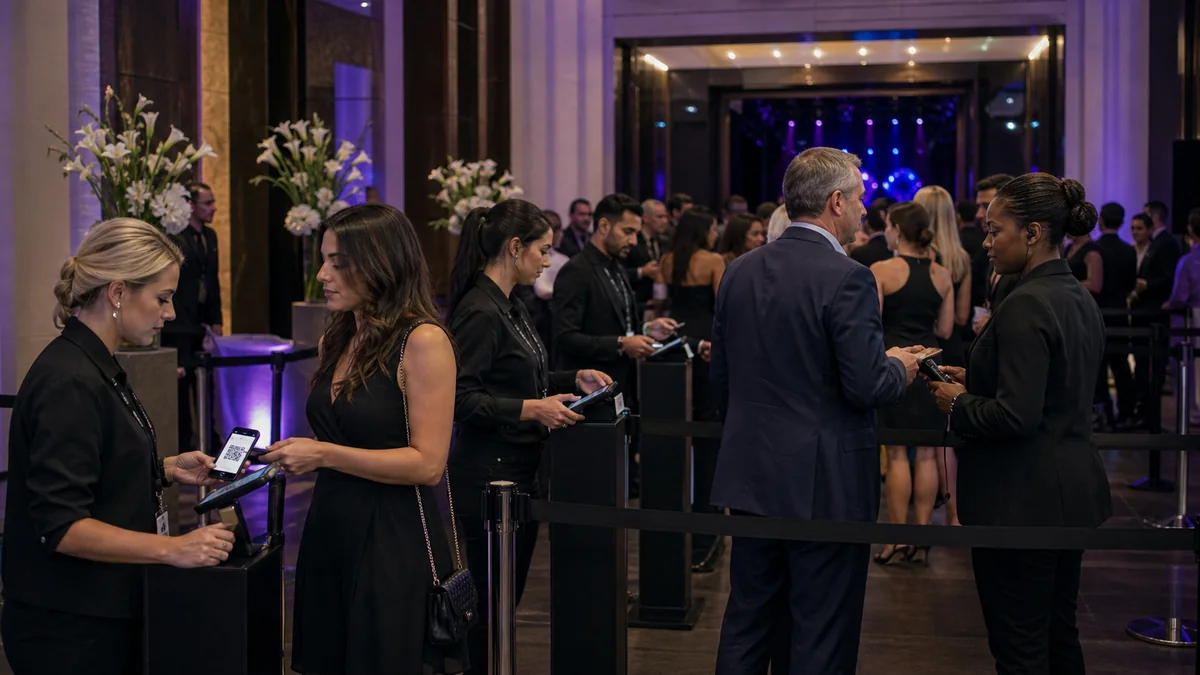
The door experience at a dining event is the first physical moment of the evening, and for a premium dining event, it sets the quality register before a single course is served. A smoothly managed arrival, where each guest is recognised, welcomed by name, and directed to their seat without confusion, communicates the same care and attention that the meal itself should reflect.
Download the ShowRave scanner app at/apps/scanneron a dedicated device before the event. Log in, sync the event, and confirm the attendee list is cached. For a seated dinner, the seating plan should be ready at a separate station from the entry scan point, staffed by a host or coordinator who can direct each guest after their QR code is validated.
For small dining events with fewer than 20 guests, the host may prefer to greet each guest personally by name from the confirmed attendee list rather than operating a formal QR scan process. ShowRave's attendee export provides the confirmed guest list in a format that can be used as a reference for this personal welcome approach. The QR scan capability is available if preferred, but the organizer chooses the appropriate level of formality for the event's character.
When dietary data reveals a gap
Despite a well-configured registration form, some guests will arrive at a dining event having provided incomplete dietary information, or with a dietary need that changed after they registered. A contingency process for handling this at the door prevents it from becoming a crisis during service.
Brief the kitchen on the number of confirmed dietary accommodations from the export. Build in a small buffer for each accommodation category: if the export shows three vegetarian guests, prepare for four. If it shows one nut allergy, ensure the kitchen is prepared to handle at least one additional nut-free plate. The marginal cost of this buffer is minimal; the operational benefit when an unexpected requirement arises is significant.
When a guest arrives with an unregistered dietary need, a brief conversation between the host and the kitchen coordinator, conducted discreetly, typically resolves the situation before service begins. A kitchen that was briefed on the confirmed dietary breakdown and is prepared for minor additions handles this better than one that received no advance information and is encountering every requirement for the first time at the table.
Building a returning dining audience
The most commercially efficient dining event program is one with a high proportion of returning guests. A diner who had an exceptional experience at a supper club is a highly motivated prospect for the next seating: the trust is established, the quality has been demonstrated, and the only question is whether the date works and whether the menu sounds appealing. Converting first-time diners to returning guests requires the same post-event follow-up sequence that any recurring event benefits from: a thank-you email within 48 hours, early access to the next seating before the public announcement, and enough communication between seatings to maintain the relationship without becoming intrusive.
Configure your dining event at/create/create-venue-eventwith the appropriate seating capacity, dietary registration fields, and menu choice AddOns before the first invitation goes out. The configuration that captures complete, accurate data from every diner at registration is the foundation on which the evening's execution depends.