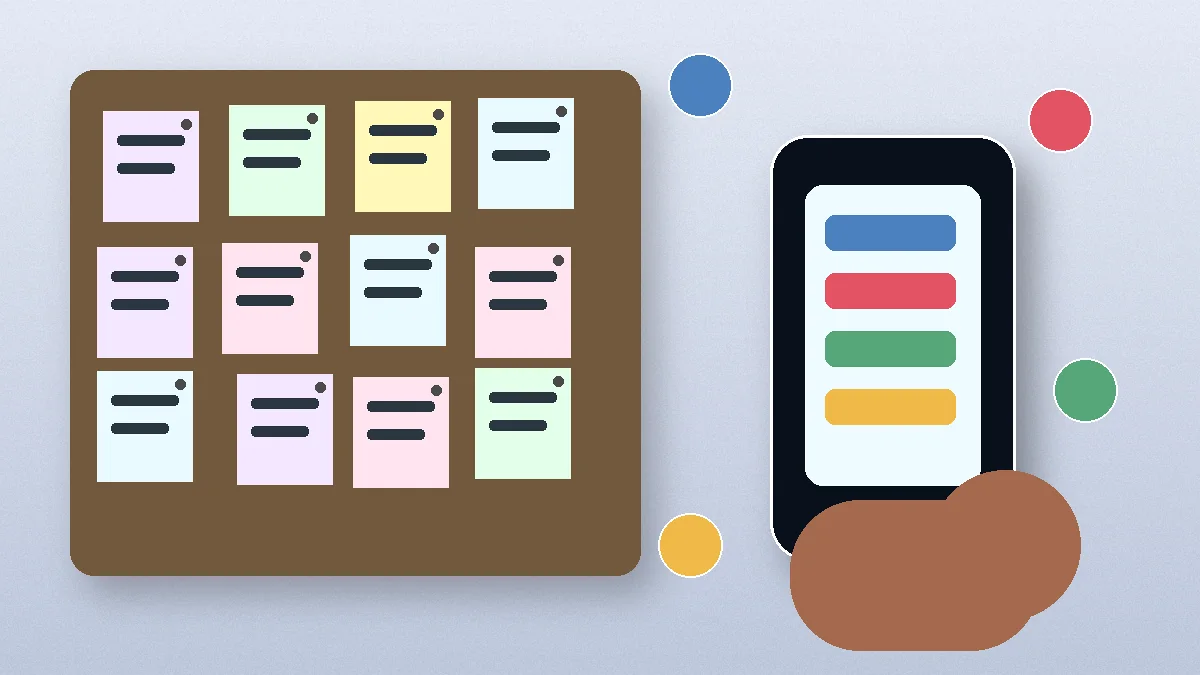
Discovery marketplaces and organizer-controlled sales serve different business models
Music ticketing apps that operate as consumer-facing marketplaces, where people browse an app or website to discover shows, are built around a different premise from organizer-controlled ticketing. The marketplace model generates value for organizers who have no existing audience and need the platform's discovery traffic to fill their shows. It generates less value for organizers who already have an audience, because those organizers are paying for a discovery service they are not using.
Organizer-controlled ticketing, where the promoter uses a platform to sell tickets directly to their own audience without a marketplace intermediary, is built around the premise that the promoter's existing relationships are the primary acquisition channel. The platform provides the infrastructure; the promoter provides the audience.
Most experienced independent music promoters fall firmly into the second category. They have built an audience, they promote their own shows, and they do not need a marketplace to find buyers. What they need is a ticketing platform that gives them the tools to sell to that audience efficiently, without taking a large cut of the revenue or retaining ownership of the buyer relationship. This guide covers that distinction in detail.
What music ticketing apps offer and what they cost
Marketplace music ticketing apps offer one genuine advantage: passive discovery by buyers who are browsing for shows in their city or genre. For a first-time promoter with no existing audience in a market where the app is heavily used by the relevant music community, this discovery channel has real commercial value. Shows that would otherwise rely entirely on the promoter's own limited promotion can generate attendance through organic discovery.
The costs of this arrangement are structural rather than just financial. The fee per ticket on paid events is typically significant, whether charged to the organizer or added to the buyer's checkout price. The buyer relationship flows through the platform rather than directly to the promoter: the buyer's email address and purchase history exist in the platform's system, and the promoter's access to this data is often limited or conditional. The platform also retains the ability to market to the same buyers for other shows, which means the audience the promoter helped attract may be contacted by the platform to attend competing events.
For promoters who do have an established audience, these costs represent a significant net negative: they are paying for a discovery service that contributes little to their attendance while ceding audience ownership that compounds their competitive disadvantage with every show.
What organizer-controlled ticketing delivers instead
Organizer-controlled ticketing on ShowRave gives the music promoter every ticket sale made through a buyer relationship they initiated and own. Every buyer who purchases through the event page provides their contact details to the promoter, not to a platform. The promoter owns the attendee list from every show, which becomes the foundation for every subsequent show's promotion. The buyer who came to Show 3 is the warm prospect who gets early access to Show 4, at a lower acquisition cost than any cold promotion effort.
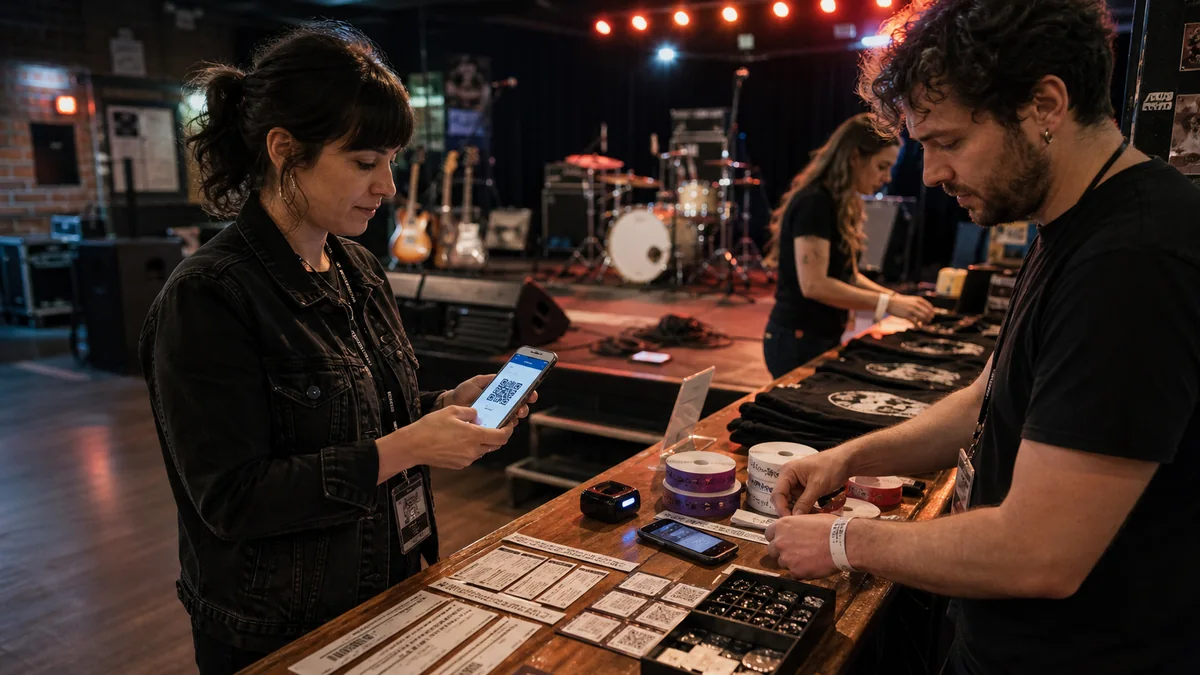
The commercial model is structured to match what independent promoters actually need. ShowRave deducts a fee from the organizer's payout on paid ticket sales. Buyers at checkout pay only the ticket price the promoter sets, with no added booking fees that inflate the visible price and create friction at the conversion moment. The scanner app at/apps/scanneris free, works offline, and handles multi-device simultaneous scanning for venues with multiple entry points. Affiliate links give each performer, promoter partner, and community contact a unique tracking link with commission on attributed sales, turning the artist's existing fan relationship into a measurable, incentivised distribution channel.
The DP Generator at/dp-generatoris specifically suited to the social identity dynamics of music show audiences. Buyers who update their profile pictures with a show's branded frame tell their personal networks they are attending, creating organic peer-recommendation reach that marketplace advertising cannot replicate in the same authentic register.
The performer as the primary distribution channel
In independent music promotion, the performing artist's audience is almost always the most efficient promotional channel available. A performer with 5,000 engaged followers who share a unique affiliate link to their show is reaching buyers with a direct personal endorsement from the person they are coming to see. The conversion rate from that audience significantly exceeds the conversion rate from cold marketplace discovery, and the ticket price they pay represents more of the show's revenue because no marketplace takes a cut of the distribution.
Configure affiliate links for every artist on the bill before the show goes on sale. Each artist's link attributes sales to that performer and earns them a commission on attributed purchases. For an independent promoter building long-term relationships with artists, the attribution data from affiliate links provides a specific, honest account of which artist drove which sales, which is a commercial relationship that strengthens with every show where the data proves mutual value.
When the marketplace model is genuinely the right choice
The honest answer is that marketplace ticketing apps are the right choice in a specific set of circumstances: a first-time promoter in a market where the app has strong consumer presence, no existing artist or community relationships to activate, and a show format that fits the app's discovery categories. In this scenario, the marketplace fee is the cost of an audience the promoter does not yet have.
As the promoter builds an audience across multiple shows, the economic case for marketplace ticketing becomes progressively weaker. By the time a promoter has run five to ten shows and built a few hundred past attendees as a warm audience database, the platform's discovery contribution as a proportion of total ticket sales is typically small enough that paying the marketplace fee for it represents poor value.
The transition from marketplace to organizer-controlled ticketing should happen before it is economically obvious rather than after. The earlier the transition, the earlier the attendee database begins compounding in value, and the earlier the promoter stops paying for discovery they are not using. Review current platform pricing and the full feature set for organizer-controlled ticketing at/pricingand/sell-tickets-online.
Running both during the transition
For promoters who have built a partial audience but are not yet confident they can fill a show without any marketplace support, running a transition period where both channels operate simultaneously is a practical approach. List the show on the organizer-controlled platform as the primary checkout destination and compare the channel attribution data after the show: how many tickets came from the promoter's own audience versus any marketplace contribution? This data tells the promoter directly whether the marketplace is contributing enough to justify its cost.
For most promoters who have been running shows for more than a year, the answer from this comparison is that the organizer's own channels, email list, social promotion, artist affiliate links, and community outreach, are already producing the significant majority of ticket sales. The marketplace is contributing a marginal number of sales at a significant cost. That comparison makes the decision clear.
What a consistently owned audience is worth over five years
The difference between a promoter who has used organizer-controlled ticketing for five years and one who has used marketplace ticketing for the same period is not just the accumulated fee savings. It is the audience database. The organizer-controlled promoter has five years of attendee exports: 5,000 verified past buyers with confirmed email addresses and show attendance history. They know which shows generated the most returning attendance. They know which performers' names on the bill drove the fastest Early Bird sell-out. They know which promotional channels produced the most conversions in which seasons.
The marketplace promoter has five years of shows and a fragmented picture of who came to each one. The platform has the buyer data; the promoter has a headcount.
This gap is the compounding return on the decision to use organizer-controlled ticketing from the first show rather than after the audience has already been built through a platform that retains the buyer relationship. Every show adds to the owned database. Every show that did not use organizer-controlled ticketing is a cohort of buyers who are not in the owned database, and whose re-acquisition for future shows costs money and effort that the organizer-controlled promoter does not have to spend.
The financial value of a directly owned audience of 5,000 past buyers for a music promoter, measured in reduced promotional spend per show, higher conversion rates on launch day emails, and faster sell-out of Early Bird allocations across every subsequent show, is significantly larger than the cumulative fee savings. The audience ownership is the primary argument for organizer-controlled ticketing. The fee savings are a secondary benefit.
\n\nStarting right: the first show decision
The first show a promoter runs sets the pattern for everything that follows. If the first show uses a marketplace platform, the buyer relationships from that show belong to the marketplace. The promoter starts the second show with less audience than they generated because the audience they built is not one they own. If the first show uses organizer-controlled ticketing, the buyer relationships from that show belong to the promoter. The second show starts with a warm audience that already exists, and every subsequent show adds to it.
The difference between these two starting points compounds over time in exactly the way that the previous section described. The decision to use organizer-controlled ticketing from show one, rather than switching after the marketplace model has already spent several years retaining the buyer relationship, is worth making before the first ticket is sold. Set up your first show at/create/create-venue-event.
\n\nConsistency in the operational layer is the foundation of everything else. The first show that was set up correctly is the first step in a program that compounds in audience value, commercial efficiency, and operational confidence with every edition. The shortcuts taken on the first show, whether in data capture, attendee communication, or post-event follow-up, are the gaps that take multiple editions to recover from. Build it right from the beginning.
\n\nOrganizer-controlled ticketing is not a feature upgrade. It is a business model decision. The promoter who makes that decision early, applies it consistently, and reviews the data after every show builds an operation that becomes more efficient and more commercially powerful with each edition. The one who defers it waits for a scale that never quite arrives, because the scale is built on the foundations the earlier decision provides.