The audience you build is not the audience you keep
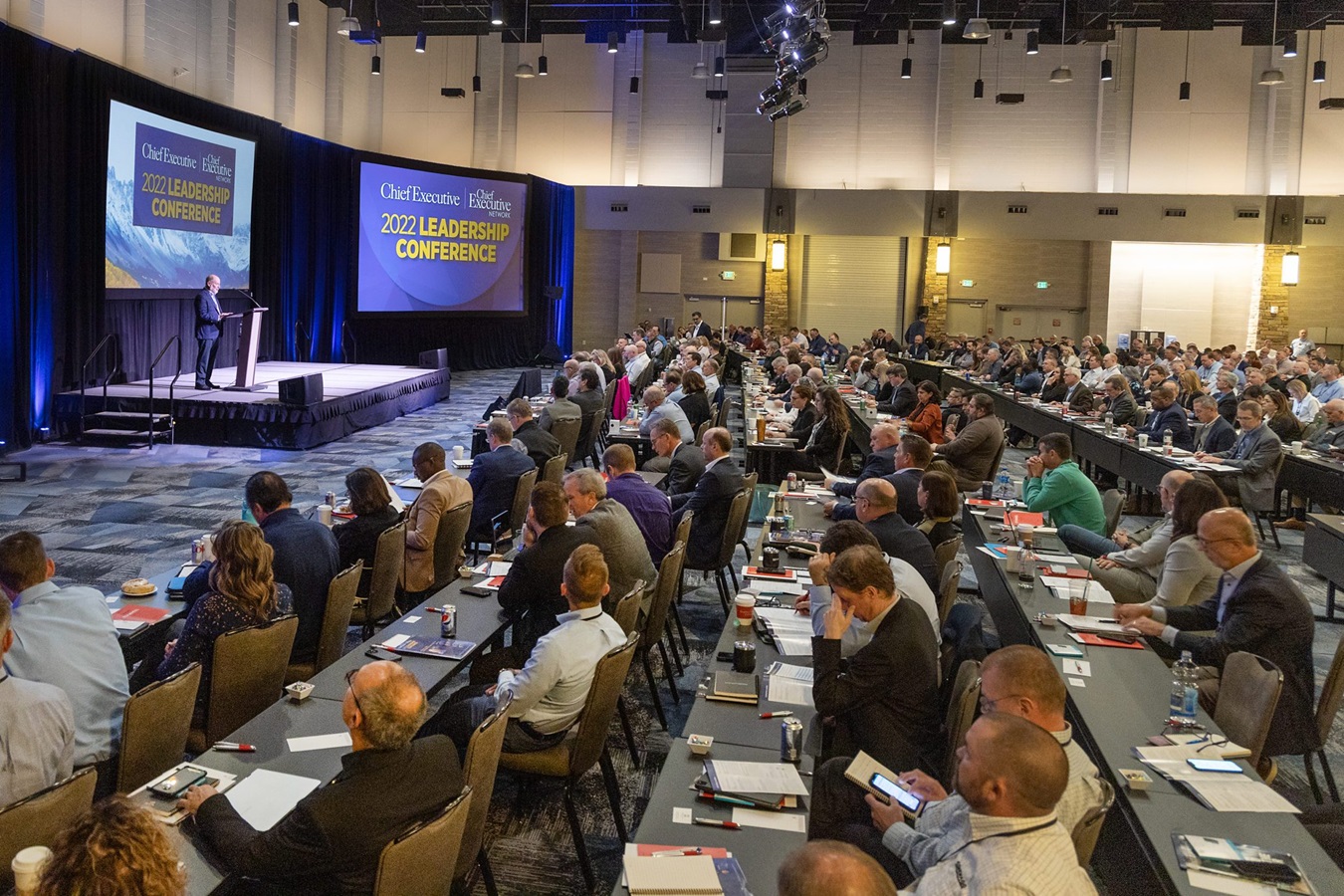
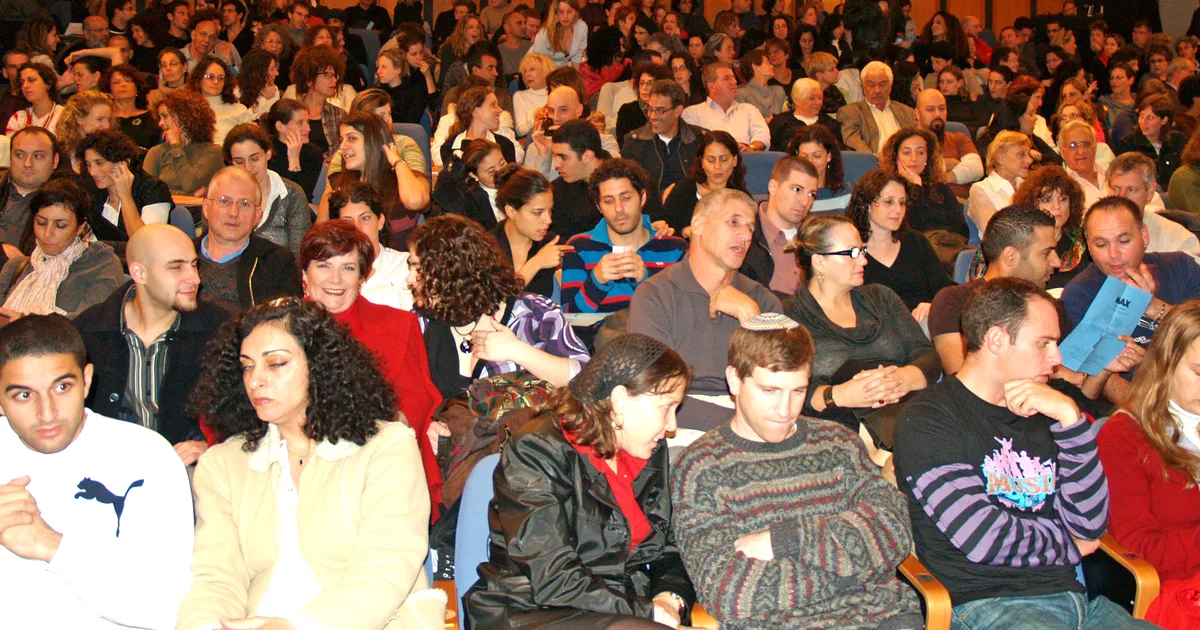
Every event you run creates an audience. People find out about it, they buy tickets, they show up, they have a good time. Some of them will come to your next event. Most of them will not, not because they did not enjoy the first one, but because they never heard about it.
This is the structural problem with building events one at a time. Each launch starts from scratch. You find new people, convince them to trust you with an evening, and deliver. Then the event ends and the relationship, such as it was, also ends. The person who came to your show three months ago has no particular reason to be watching for your next announcement. They are not subscribed to your newsletter. They did not follow you anywhere. They just came to an event they heard about through a friend or a social post, and now they have moved on.
The organizers who build loyal audiences are not the ones who run better events than everyone else, although quality matters. They are the ones who maintain the connection between events. They give their audience a mechanism to stay in touch without requiring the audience to do the heavy work of tracking them down.
What a subscription actually does
When someone subscribes to your organizer profile, they are making a simple, explicit statement: they want to know when you put on something new. That is the whole transaction. You post a new public event, they get an email. They can decide from there whether they want to come.
This sounds small, but it represents a fundamentally different relationship than the one most organizers have with their past attendees. The standard model is that an organizer announces something, the announcement either reaches people or it does not, and the results depend heavily on timing, social algorithms, and luck. The subscription model removes the luck. The people who asked to hear from you will hear from you when there is something to say.
From the attendee's side, the value is just as clear. There are organizers whose events a person will always want to attend. A promoter who runs a particular kind of night. A venue team that books a specific calibre of act. A community organizer whose events always feel like the right room of people. For those organizers, a subscription is a convenience. It removes the anxiety of missing a ticket drop because you were not watching at the right moment. You subscribe once and from then on, when something goes live, you find out about it.
The gap between the event and the next one
Consider what happens in the gap between two events from an organizer who has not built a subscription mechanism.
Someone attends an event in October. They enjoy it. They think they would come to another one. But no mechanism exists for the organizer to reach them. When the next event is announced in January, that person might see a social post, or they might not. They might have their notifications turned off for that account, or the post might appear at a time when they are not scrolling. The connection that existed in October is entirely dependent on social platforms to maintain itself, and social platforms are not optimised for that job.
Now consider the same scenario with a subscription. The person who attended in October, or who arrived at the event page and chose to subscribe even if they could not make it to that particular event, receives an email when the January event goes live. The gap between October and January did not erode the connection because the connection was not maintained by chance. It was maintained by an explicit request from the attendee and a direct notification from the organizer.
The email arrives. The person sees the event details. They decide whether to buy a ticket. That is the whole process. No algorithm made a decision about whether they should see the announcement. No social post missed them on a busy Tuesday. The subscription bridged the gap.
How subscribers are different from your general audience
Not everyone who has ever attended one of your events will subscribe to your profile. The people who do are telling you something specific about their relationship with what you do.
They did not just come to one event. They came, they decided they wanted more, and they took a deliberate action to stay connected. That is a meaningfully higher signal than a general attendee. They are not a cold audience who needs to be convinced that you put on events worth attending. They have already been convinced. They are now asking to be kept informed.
When you announce a new event to a subscriber list, the conversion dynamics are different from a cold announcement. You are not introducing yourself. You are telling someone who already wanted to hear from you that the thing they were waiting for is now available. The email arrives in their inbox as relevant information rather than unsolicited promotion. That shift in context changes how people read and respond to the message.
Subscriber lists are also more stable than social followings. A person who subscribes to your profile has given you a direct line to their inbox. That relationship does not disappear if you change platforms, if an algorithm changes, or if you go three months without posting anything. When you have something to announce, the infrastructure to reach interested people is already in place.
Guest subscriptions and why they matter
Subscribing to an organizer profile does not require an account. Anyone can subscribe using just an email address. They land on your profile page, click Subscribe, enter their email, and they are in.
This matters because it removes the highest point of friction in the conversion. A person who discovers your profile and wants to follow your events should not have to create an account, verify an email address, set up a password, and navigate a new app just to hear about your next show. That process turns a high-intent moment into a bureaucratic one. Many people will not complete it, not because they were not interested, but because the effort exceeded the immediate value.
With a guest subscription, the same person can be subscribed in thirty seconds. They express interest, they enter their email, and the connection is made. When your next event goes live, they hear about it. If they decide to buy, they complete their account at the point of purchase. The subscription itself requires nothing beyond an email address.
For organizers who are building toward their first event or who are newer to running shows, this is especially useful. Your subscriber list does not need to wait for you to have an established user base. Every person who discovers your profile is a potential subscriber, regardless of whether they already have an account. The list starts growing from the first person who finds you.
What your profile page communicates
The subscription mechanism lives on your public organizer profile. That profile is the page that represents who you are as an organizer independent of any specific event. It is where people land when they want to understand what kind of events you run, who you are, and whether they should care about your next announcement.
A profile page with a visible Subscribe button communicates something to the visitor. It says: this organizer has a future. They are not just running one event and disappearing. There is more coming and you can stay connected. That implicit signal matters for first-time visitors who are deciding whether to invest any attention in what you do.
It also provides a natural next step for the person who arrives at your profile and finds that your current event is either already sold out or not quite what they are looking for right now. In the absence of a subscription mechanism, that visitor leaves with nothing. With a subscription, they have a way to remain connected to your profile without committing to a specific event. When something that does suit them goes live, the notification arrives and the connection they made on their first visit becomes useful.
The notification that lands at the right moment
Timing is a significant factor in ticket buying decisions. An event that sells out quickly does so partly because the announcement reached motivated buyers in the first few hours. The people who see the announcement later often find that the best tickets are already gone, or that early-bird pricing has closed, or that the event is sold out entirely.
Subscribers are not guaranteed to be the first buyers, but they are in a better position than people who rely on social discovery. The notification goes to their inbox when the event goes live, not when an algorithm decides to show it to them. The gap between launch and discovery is shorter for subscribers than for anyone who depends on social platforms to surface the announcement.
For the organizer, this creates a natural launch advantage. The most motivated segment of your potential audience already knows the event exists the moment it goes live. If that group converts at even a moderate rate, the early sales that establish the event as real and worth attending are already happening before you have done anything beyond publishing the event page.
Building toward consistent shows
The organizers who run consistently successful events are not starting from zero with every launch. They have accumulated something between events: a group of people who are already oriented toward what they do and who will respond positively to a new announcement.
This accumulation is not automatic. It has to be built deliberately. Subscribers are one part of that. Every event you run, if the experience is good, should add a few more people to the group who will want to hear about the next one. The mechanism for capturing that interest and maintaining it between events is the subscription.
Over multiple events, the subscriber list compounds. People who found your profile from an event you ran a year ago are still on the list. People who subscribed but never bought a ticket are still on the list, waiting for something that suits them. People who have come to three of your shows are on the list. When you announce a new event, you are announcing it to the accumulated result of every good impression your events have ever made.
This is what it means to build an audience rather than just run events. The events are the product. The audience is the asset. A subscriber list is one of the mechanisms by which the asset grows and persists between events.
Private events and what subscribers do not receive
Subscribers receive notifications only for new public events. Private events, unlisted events, and events that are not in a published state do not trigger subscriber notifications. This is intentional.
If you use private events for specific groups, invited guests, or closed communities, the subscription mechanism does not interfere with that. People who subscribe to your profile will not receive notifications about events that were not meant for a public audience. The public subscription is strictly about public events.
This also means that publishing a public event is a meaningful action. When you take a new event public, that is the moment your subscribers hear about it. The decision of when to publish is also, implicitly, the decision of when to notify your most engaged audience segment.
Unsubscribing is always available
Every notification email includes an unsubscribe link. Clicking it removes the subscriber from notifications for that specific organizer. It does not globally unsubscribe them from anything else, and it does not affect other organizers they may be subscribed to.
This matters for subscribers because it means the commitment of subscribing is low. They are not signing up for a broad marketing relationship. They are signing up to hear about your events specifically, and they can stop hearing about them at any point with a single click. That low-friction exit is what makes the high-intent entry worth taking. People subscribe more willingly when they know that unsubscribing is simple.
For organizers, this is a list that stays clean. The people who remain subscribed are the ones who have chosen to remain subscribed after every notification they have received. They are not people who forgot they signed up for something. They are people who keep deciding, email by email, that hearing from you is worth their inbox space.
The organizer whose next event is already expected
The difference between an organizer who works hard for every event and an organizer for whom events seem to fill themselves often comes down to accumulated audience trust. The second organizer has a group of people who are already expecting something new, who have already decided they will probably buy a ticket, and who only need to know the details.
Getting to that position takes time and consistent delivery. But the mechanism that allows that position to be maintained between events, that keeps the audience connected and oriented toward you when there is nothing immediate to act on, is something that can be in place from your first event. You do not have to wait to build it. You build it by making it available and by running events that give people a reason to use it.
The Subscribe button on your profile is small. It does not take much space on the page and it does not require anything complex to set up. But what it represents, the possibility of an audience that does not disappear when the music stops, is one of the more significant things an organizer can offer the people who come to their shows.