American holidays generate some of the most urgency-driven ticket sales of any calendar occasion
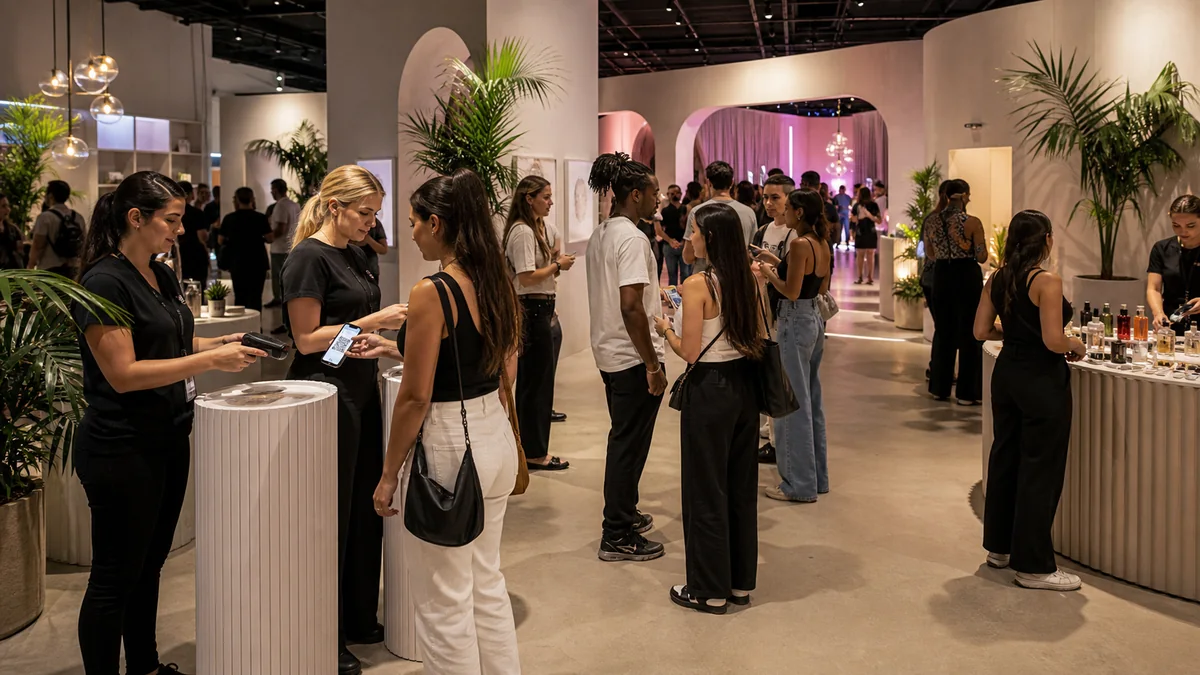
A Fourth of July viewing party at a rooftop bar with fireworks view, a Thanksgiving dinner at a community venue, a Halloween haunted experience, a New Year's Eve gala with countdown, or a Super Bowl watch party with big screens and catering: American holiday and seasonal events are characterised by a specific emotional intensity that drives faster purchasing decisions than most other event formats. Buyers are not deciding whether to celebrate these occasions; they are deciding where. The event that offers the best experience of the occasion with the least logistical friction gets the booking.
ShowRave is fully operational in the United States, with US dollar pricing and payout to American bank accounts. This guide covers the specific ticketing approach for the major American holiday and seasonal event categories that generate the highest demand and the most time-sensitive buying decisions.
Fourth of July events
The Fourth of July generates the largest single-day event attendance in the American calendar. Rooftop parties with fireworks views, outdoor concerts, community barbecue events, and waterfront celebrations all see concentrated demand in the weeks before July 4th, with the strongest advance purchase window in the two to three weeks before the date.
For Fourth of July events with premium views, such as a rooftop with a specific fireworks vantage point or a waterfront location with unobstructed sightlines, the view itself is the primary commercial differentiator and should be featured prominently in the event title and description. "Rooftop 4th of July Party, Direct Fireworks View Over [Location]" is specific and converts buyers who are specifically seeking a fireworks viewing experience.
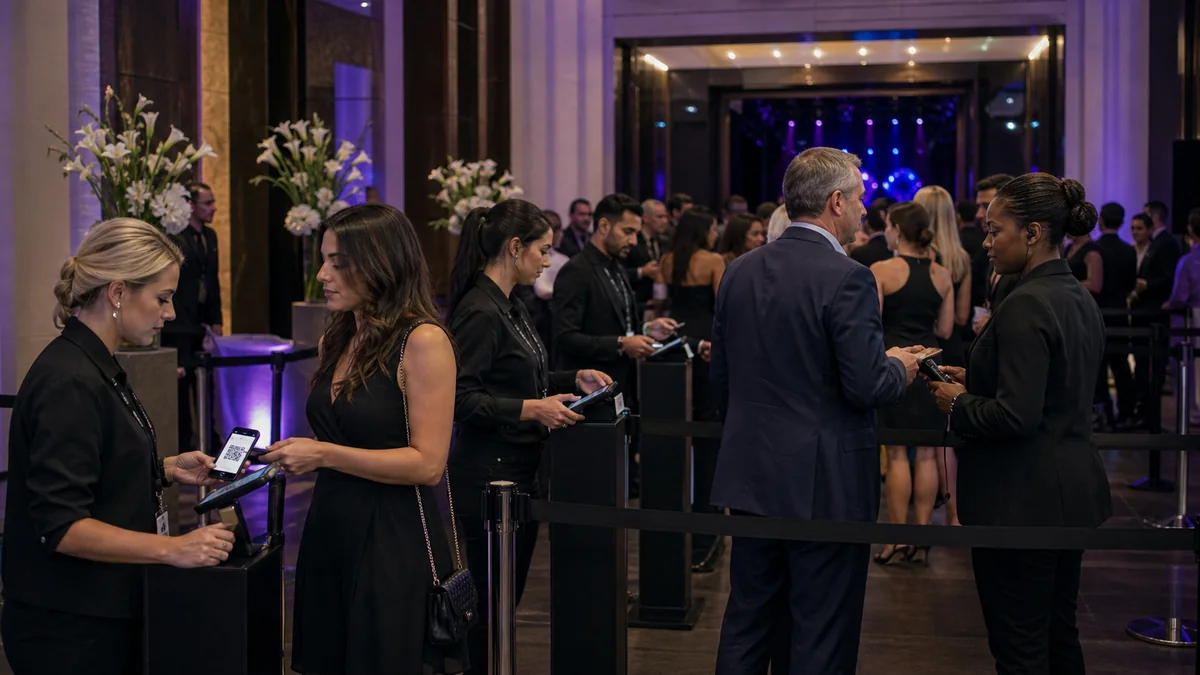
Capacity management is critical for Fourth of July events because the fireworks viewing window is fixed: a buyer who arrives at capacity and cannot get in has missed the primary reason they bought the ticket. Configure ShowRave capacity limits conservatively relative to the physical space and ensure that door operations are resourced to handle concentrated arrival in the 30 to 60 minutes before the fireworks begin.
Halloween events
Halloween in the United States generates one of the longest commercial events seasons of any holiday: events begin in early October and run through October 31st, with multiple event types operating simultaneously, haunted houses and experiences, costume parties at bars and clubs, Halloween dinners, family pumpkin-carving events, and charity costume balls.
For Halloween costume parties and adult entertainment events, the costume element creates a social motivation that is almost unique to this format: buyers want to attend with their social group in coordinated costumes, which makes group ticket types particularly effective. A table package for six to eight people attending in group costumes is a natural purchase decision for a group that is already coordinating their outfit choices. Configure group packages with a per-group pricing that reflects the social coordination the event facilitates.
For Halloween haunted experiences, timed entry is essential: a haunted house or immersive horror experience requires controlled flow to maintain the atmosphere. Configure timed entry slots with independent capacity limits so that each slot provides the intended experience quality. A slot that admits too many people simultaneously defeats the purpose of a carefully designed haunted experience.
Thanksgiving and Christmas dinners
Community Thanksgiving dinners and Christmas holiday gatherings at restaurants, event venues, and community spaces are a growing event format that serves Americans who want a communal celebration outside the home setting. These events have specific operational requirements: confirmed headcounts for catering, dietary requirement capture for a multi-course meal service, and a guest experience expectation that matches the holiday's emotional significance.
Configure dietary requirement capture as a required or strongly encouraged registration field for Thanksgiving and Christmas dinner events. The Thanksgiving menu is a relatively fixed American tradition with specific dishes that require advance planning for dietary accommodation. A vegetarian or vegan guest at a Thanksgiving dinner needs an entirely different main course from the standard turkey service; this cannot be improvised on the day of the event.
Table packages and family group tickets work particularly well for holiday dinners because the natural social unit for American Thanksgiving and Christmas celebrations is the family or close friend group rather than the individual diner. A "Friends and Family Table" package covering four to eight people reflects how Americans actually plan these holiday celebrations.
New Year's Eve galas and countdown events
New Year's Eve generates the highest per-head ticket price of any American holiday event category because the demand is concentrated on a single night and the expectations are correspondingly high. Buyers paying a premium for a New Year's Eve gala expect dinner service, entertainment, an open bar or drinks package, a countdown moment, and a midnight celebration that justifies the price.
Configure a detailed event description that specifies exactly what the ticket price includes: "Includes four-course dinner, open bar from 8pm to 1am, live band performance, midnight champagne toast, and party favours." Ambiguity about inclusions at a premium price point generates disputes; specificity prevents them. Configure drinks or dinner upgrade AddOns for buyers who want to add to the standard package.
Early Bird pricing works strongly for New Year's Eve events because buyers know from experience that prices increase as the date approaches and premium events sell out. Configure a genuine Early Bird allocation in August or September when forward-planning buyers are willing to commit at a lower price in exchange for certainty. The social proof of a sold-out early allocation, announced publicly when it closes, is a powerful driver of standard-price purchases in October and November.
Super Bowl watch parties and sports holiday events
Super Bowl Sunday, March Madness watch parties, and major American sports occasion celebrations generate event ticketing demand that is tied to sports scheduling rather than the calendar year. The specific game date is announced weeks or months in advance, giving the most organized promoters a lead time to configure and launch events before the broader market activates.
For watch party events, the screen size, the viewing angle, and the food and drinks offering are the primary differentiators. Configure AddOns for food packages, drink packages, or premium reserved seating for buyers who want guaranteed positioning. For sports bars and venues, configuring timed entry for different game time slots, such as a pre-game party admission and an in-game general admission, manages the door flow around the specific game schedule.
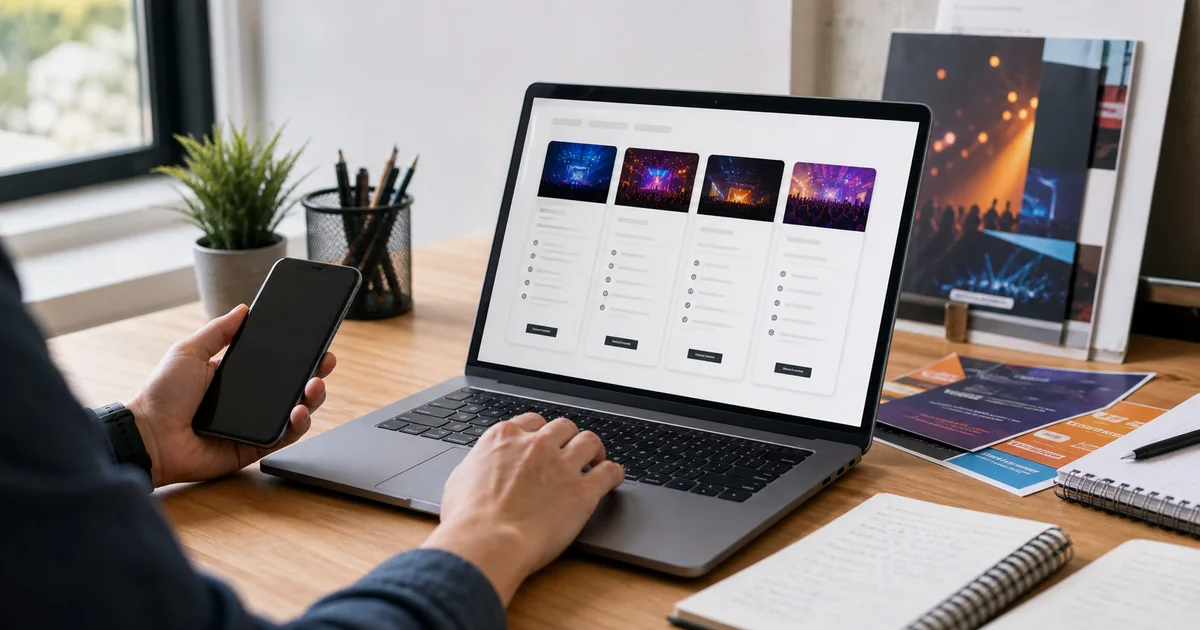
Configure your American holiday or seasonal celebration at/create/create-venue-event. Review payment and payout details for US events at/payment-and-payout.
State Fair and community festival season
The American state fair and county fair season, running from late summer through early autumn, generates some of the most broadly attended community events in the country. State fairs in states such as Texas, Iowa, Minnesota, and North Carolina attract hundreds of thousands of attendees across their multi-day runs. For smaller county fairs and regional festivals, the community character of the event is the primary draw: local food vendors, agricultural competitions, carnival rides, and live entertainment that reflect the specific region's character.
For regional fairs and festivals with ticketed premium elements, such as a ticketed grandstand concert or a ticketed gourmet food and wine pavilion within a free general admission fair, configure the premium tickets in ShowRave alongside the free general registration. The combination of free general admission that captures the broadest possible community audience and paid premium experiences that capture the revenue from the most engaged buyers reflects the commercial model of the American fair tradition.
School and university seasonal events
American schools and universities generate a significant calendar of seasonal events with specific ticketing requirements: homecoming games and dances, spring formal events, graduation celebrations, alumni gatherings, and seasonal fundraising galas. For school and university events where attendance is tied to community membership, the private event setting in ShowRave, combined with institution-specific distribution of the event link, provides the controlled access that ensures the right audience is the one that registers.
For homecoming and formal dance events, the group and couple ticket structure is particularly relevant: American high school and university students attend these events as couples or in social groups rather than as individuals. Configure couple tickets and group packages that reduce the individual purchase friction and reflect how the audience actually attends.
Building a recurring holiday event program
The American holiday calendar is predictable, which makes a recurring holiday events program one of the most commercially stable formats available to an independent event organizer. The same audience that attended the Fourth of July rooftop party will return for the New Year's Eve gala. The families who came to the Halloween haunted experience will look for the same organizer's Christmas event. The friends who shared a Thanksgiving community dinner will look forward to the following year's edition.
Build and maintain the attendee database from every holiday event through consistent ShowRave exports. The audience that builds across a year-round American holiday program is a compounding asset: each edition adds new buyers to a warm audience that becomes the foundation for every subsequent campaign. An organizer who has run four consecutive Fourth of July events with the same core audience has a promotional channel, the direct email list to past attendees, that is more efficient and more cost-effective than any cold-audience promotion at the same scale.
\n\nUsing the platform effectively in this market
Every market has its own audience behavior, cultural calendar, and promotional ecosystem. The organizers who succeed consistently in their specific market are those who combine platform discipline, the consistent use of attendee data, affiliate links, and post-show follow-up, with local cultural intelligence: knowing which occasions matter, which channels reach the right audience, and what the specific audience expects from the checkout experience. ShowRave provides the operational infrastructure; the local knowledge is the organizer's contribution. Together, they produce a show program that builds in commercial efficiency and audience loyalty with every edition.
\n\nThe show program that builds on itself, using each edition's data to improve the next, treating every buyer as a long-term audience member rather than a transactional ticket sale, and respecting the cultural character of the occasions it serves, is the program that lasts. Configure your next show at/create/create-venue-eventand build it on the operational foundation that makes every subsequent show easier to fill than the last.