
Corporate sponsors are not donating to your event. They are buying an audience.
The most common mistake in entertainment event sponsorship pitches is leading with what the organizer needs. An entertainment promoter who approaches a corporate sponsor with a request for support is asking a business to make a charitable decision. A promoter who approaches the same sponsor with an audience profile, an attendance figure, a visibility package, and a marketing return estimate is making a business proposition. Corporate sponsors respond to business propositions.
Understanding this shift in framing changes everything about how entertainment events are marketed to corporate buyers. The event's artistic or entertainment merit is irrelevant to the sponsorship decision. What matters is whether your audience is their target market, whether your venue and format create the associations they want, and whether the visibility they receive justifies the spend against competing marketing options.
The data that makes an entertainment event attractive to corporate sponsors
Corporate marketing teams evaluate sponsorship opportunities on the basis of audience reach, audience relevance, and brand association. Your event needs to provide credible data on all three to compete for their budget.
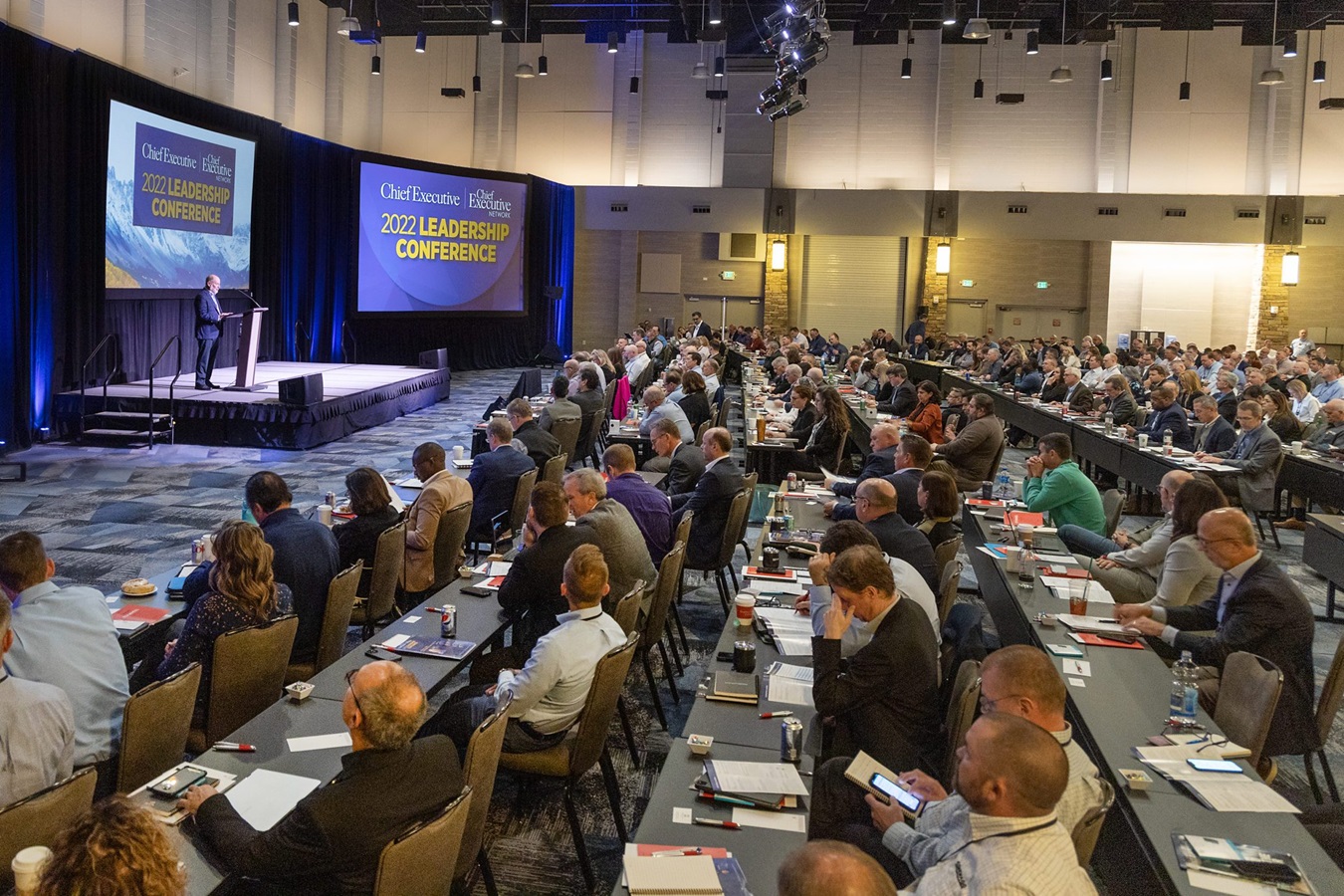
Audience reach is measured in attendance: how many people will attend, how many events per year, and what the trend across previous editions looks like. A music night that has grown from 300 attendees in its first year to 800 in its third year is a more compelling reach story than one that has been stable at 400 for five years. Growth demonstrates audience engagement and indicates trajectory. Present attendance data per edition with a trend line, not just the most recent figure.
Audience relevance depends on who your attendees are, not just how many there are. A corporate technology company wants to know whether your music night audience includes professionals in their target sector. A consumer brand wants to know the age, lifestyle, and spending profile of your festival audience. The ShowRave registration data captures name and email as a minimum; for events where you can justify asking for more, job title, industry, or age range data makes the audience profile demonstrably more useful to corporate prospects.
Brand association depends on the event's identity: the genre, the values the event communicates, the visual language, and the other brands associated with it. A craft beer festival has a specific brand association that a classical music concert does not. An urban street art event communicates something different from a corporate networking mixer. Corporate sponsors choose events whose brand association is compatible with how they want to be perceived by the target audience.
Packaging visibility into a tiered sponsorship offer
Corporate sponsors need to understand exactly what they are buying before they will commit a budget. A vague offer of "sponsorship opportunities" is not a proposition. A tiered structure with specific, defined benefits at each level is.
The standard tier structure for entertainment event sponsorship moves from logo placement and digital mentions at the entry level, through named association with specific event elements at the mid level, to headline naming rights and branded experiences at the premium level. Each tier should be described in concrete, verifiable terms: how many times the logo appears, in what format and size, on which materials; what the social media commitment is and how it is measured; whether the sponsor receives tickets and how many; whether there is physical presence at the event and what form it takes.
Ticket allocations are one of the most valued benefits in entertainment event sponsorship because they allow the sponsor to use the event for client entertainment. A hospitality package, where the sponsor receives a table or a reserved area at the event, is often the most commercially compelling element of the sponsorship offer because it delivers a tangible client-facing benefit. The event becomes a client entertainment venue, which gives the sponsorship a direct revenue link for the corporate buyer who needs to justify the spend.
Leveraging your attendee data in the sponsorship conversation
The data captured through ShowRave across your event program is your primary evidence of audience quality in the sponsorship conversation. Attendance figures by edition, tier breakdown showing the proportion of premium buyers, and any demographic or professional data captured at registration are all inputs to the audience profile document that accompanies a sponsorship proposal.
For events that have run multiple editions, the data tells a growth story. An event that can show consistent attendance growth, increasing ticket revenue per head as tiers have been refined, and an audience that has returned across editions is a more credible proposition than a first-time event with projected figures and no historical evidence. If your event is in its first or second year, the data story is forward-looking, but grounding it in realistic projections based on comparable events and your current promotional capability is more persuasive than aspirational numbers.
The DP Generator at/dp-generatoradds a social reach dimension to your sponsorship data. If attendees create branded profile pictures featuring your event and sponsor artwork, the social reach generated by those profile updates is an additional audience metric that extends the sponsor's visibility into attendees' personal networks without additional media spend. Include DP Generator reach data in your sponsorship reporting if available.
Following up after the event
The post-event sponsor report is the document that either renews the sponsorship or ends it. A sponsor who receives a clear, specific account of what their investment delivered, how many people attended, how their brand appeared and how many times, any social reach generated, and any qualitative feedback about their presence, is a sponsor who can make an informed renewal decision. A sponsor who received no post-event communication, or only a thank-you message without any data, is making that decision blind and is likely to deprioritise the renewal.
Build the post-event sponsor report into your standard event delivery workflow, not as an optional extra. Export the ShowRave attendance data, combine it with your own media monitoring data, and produce the report within two weeks of the event. Send it to the sponsor with a specific follow-up request for a call to discuss the next edition. The renewal conversation is most productive when the positive memory of the event is still fresh and the sponsor has the data they need to make the case internally for continued investment.
Why entertainment events appeal to corporate buyers differently from charity or sports sponsorship
Corporate buyers allocate sponsorship budgets across different entertainment categories based on audience alignment and brand association goals. Entertainment events, music, arts, comedy, culture, attract a consumer audience that is typically younger and more culturally engaged than the audience at professional sports or corporate networking events. For brands targeting that demographic, entertainment sponsorship can deliver audience access that digital advertising cannot replicate with the same organic context.
The argument for entertainment event sponsorship to corporate buyers is not just reach. It is context. A buyer who sees a brand logo while watching a concert by an artist they love is experiencing that brand in a positive emotional context that an online ad cannot create. That emotional context is the premium that entertainment sponsorship charges for, and it is the reason corporate buyers pay more per impression for a well-aligned event sponsorship than for equivalent digital reach.
Position your event in the sponsorship conversation around the specific emotional context and audience demographic it delivers, not just the attendance number. A 2,000-person music event attended primarily by 25 to 35 year olds with disposable income and strong cultural engagement is a specific product for the right brand. Know what that product is worth to the right buyer and present it accordingly.
Building a sponsor pipeline across the event program
Sponsorship pipelines for entertainment events are built over time, not generated from a single outreach campaign. A brand that declines to sponsor the first edition of an event is not a closed door: they may be interested in the third edition, when attendance has grown, the event has a track record, and the audience profile data is demonstrably more compelling. Managing a pipeline of prospective sponsors across multiple editions of an event, with regular updates on growth and performance, turns the sponsorship conversation from a single ask into an ongoing relationship.
After each event, send a brief performance update to every sponsor who declined, as well as to existing sponsors. Keep it factual and positive: attendance grew, the audience profile matched their target demographic, the brand visibility generated was significant. Position it as a notification that the event continues to grow rather than as a renewed ask. When the event reaches a scale where the sponsorship proposition is clearly right for them, the sponsor who has been kept informed for two years is significantly easier to convert than one who has heard nothing since the initial decline.
\n\n