Email consistently outperforms every other promotion channel for event ticket sales
Across almost every type of event, for almost every type of organizer, the email channel converts at a higher rate than social media, paid advertising, or organic search. The reason is not complicated: email reaches people who have already chosen to hear from you, at a moment when they are likely to be in a reading and decision-making mode, with a message that is personal rather than broadcast. Those three factors combine to produce conversion rates that social media posts rarely match.
But email's effectiveness depends entirely on how it is used. An email list that is treated as a broadcast channel for every event announcement will produce declining engagement over time as subscribers who are not interested in specific events start ignoring messages that do not feel relevant to them. An email list that is managed with segmentation, timing discipline, and messages that match the audience's relationship with the organizer will consistently deliver early sales momentum at the beginning of every campaign.
The three most important segments in any event email list
Before sending any email campaign for an event, divide the list into at least three segments. Each segment has a different relationship with the organizer, a different level of purchase intent, and needs a different message.
Past attendees of this specific event or series.These are the highest-value segment. They have already attended once and decided they valued the experience enough to remember it. Their conversion rate on a well-timed early communication will be significantly higher than any other segment. They should receive the first email, before the public announcement, with language that acknowledges the relationship: "You attended last time, here is early access." Early Bird access for this segment alone will produce a meaningful first wave of sales before the public campaign begins.
Past attendees of other events by the same organizer.This segment knows and trusts the organizer but has not specifically attended this event type before. They are warm but need a slightly more persuasive message: what is this event, why is it relevant to them specifically, and what makes it worth adding to the calendar alongside the events they have already attended. Reference their past attendance if possible: "You came to [event name] last year, we think you will enjoy this too."
Subscribers who have never attended.This segment is cold in terms of direct experience but opted in to communications, which gives them a different status from a cold advertising audience. They know the organizer exists and chose to receive updates. The message for this segment needs to build the case from the beginning: what the event is, who it is for, why now is the right time to buy, and what the social proof is that makes it worth attending for the first time.
ShowRave's attendee export, maintained consistently across events, gives you the data to build these segments. Past attendee history by event type is available from the export records if they are retained and organized. A clean mailing database that distinguishes between these three groups will consistently outperform a single undifferentiated list for any given campaign.
The email sequence that works
A campaign email sequence for a paid event typically spans six to ten weeks from launch to close, with a specific message type at each stage.
Pre-announcement exclusive (week 8 to 10 before event):Sent only to past attendees. Early Bird access before the public announcement. Short, personal, specific. The tone is insider access, not broadcast marketing. This email generates the first sales and creates the social proof that subsequent emails can reference.
Public launch email (week 8 before event):Sent to all subscribers. Announces the event, describes what it is, states the Early Bird availability and quantity, and includes a single clear call to action: buy now while Early Bird is available. No competing messages, no event history, no excessive context. One decision to make, easy to make it.
Mid-campaign social proof email (week 5 before event):Sent to non-buyers who opened the launch email. References what has happened since the launch: Early Bird sold out (if it has), general sales update, any new additions to the program such as confirmed performers or speakers. The goal is to convert buyers who were interested but did not act on the first email. The social proof of sales already made is the most persuasive additional element available.
Last chance email (3 to 5 days before event):Sent to all non-buyers. Urgency-led. A specific, honest reason the window is closing: the event is approaching, remaining tickets are limited, or the advance sale closes at a specific time. No new content, no event description rehash. One message: the time to buy is now or the opportunity closes.
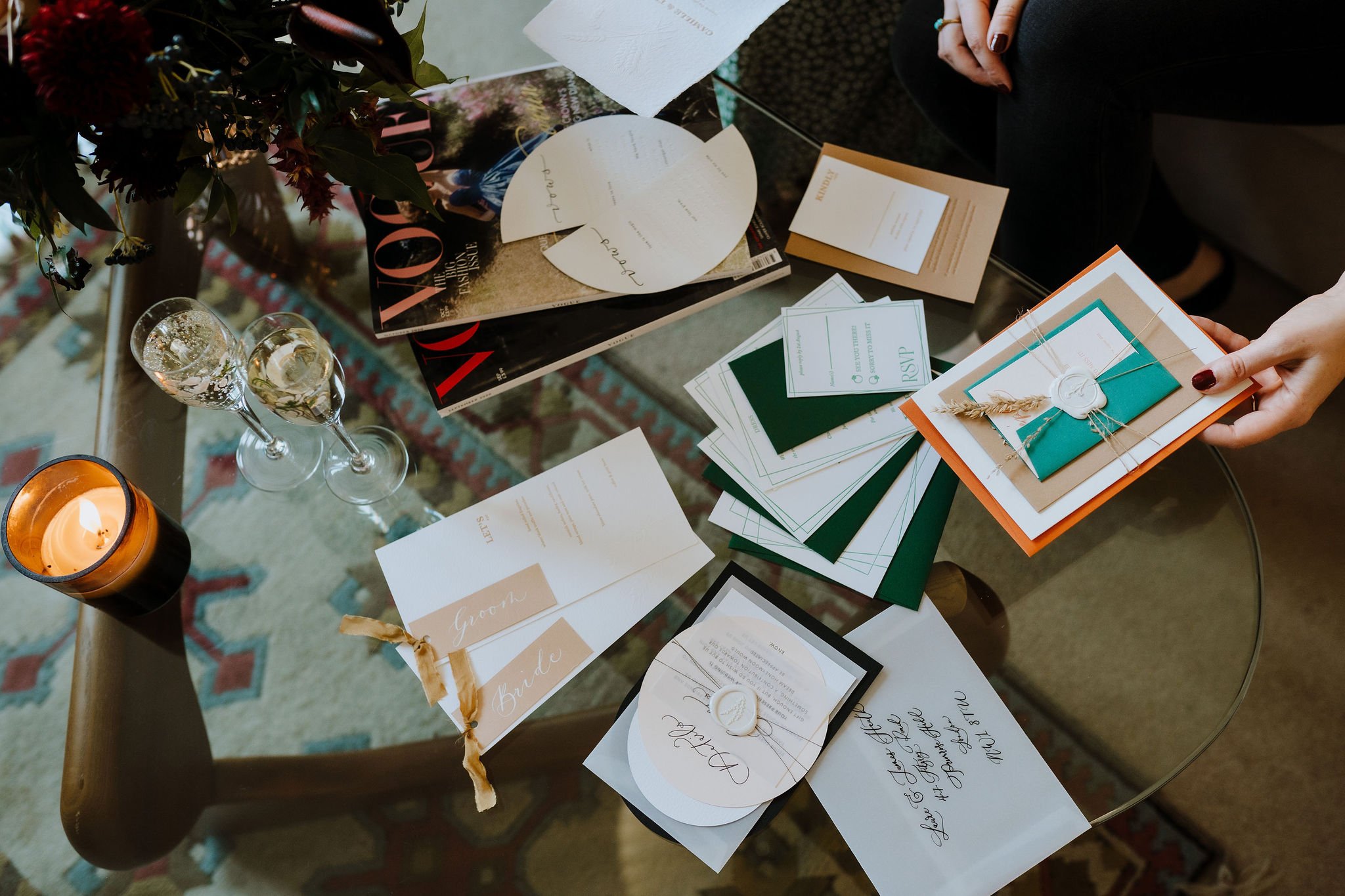
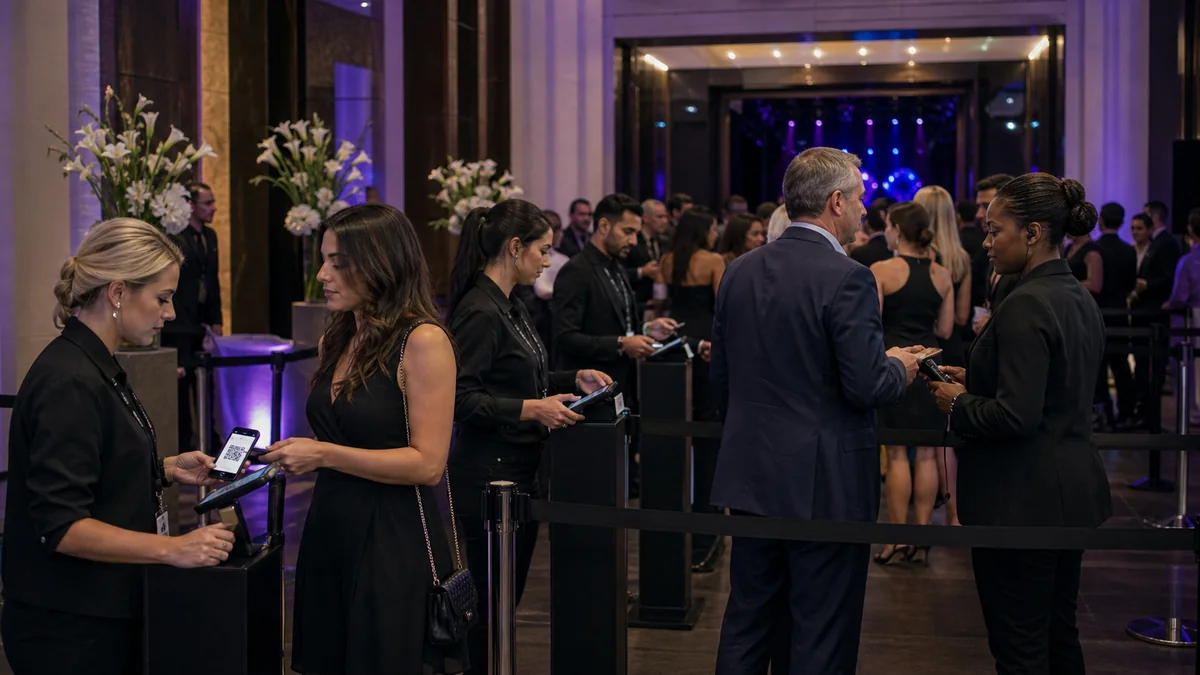
Pre-event logistics email (48 to 72 hours before event):Sent to all confirmed buyers. Practical details: venue address, arrival time, what to bring, QR code reminder, contact for day-of queries. This email reduces no-shows and day-of queries simultaneously.
Subject lines that determine whether the email is opened
The most carefully written email in the world does nothing if the subject line does not generate an open. For event emails, the subject lines that consistently produce higher open rates share three characteristics: they are specific about what the email contains, they are short enough to read at a glance, and they create a clear reason to open now rather than deferring.
Subject lines that work: "Early Bird tickets for [Event Name], just for past attendees"; "[Number] tickets left at Early Bird price"; "Your ticket for [Event Name], 3 days to go"; "The lineup for [Event Name] is confirmed." Subject lines that underperform: "Exciting news from [Organizer Name]"; "Don't miss this amazing event"; "A special message for our community." The first set tells the reader what is inside. The second set requires the reader to invest effort to find out, which most will not do when scanning an inbox.
For the pre-event logistics email specifically, the subject line should include the event name and the date: "[Event Name], what you need to know for [day]." This is the one email in the sequence where the reader is looking for it, so a clear, functional subject line is more appropriate than a persuasive one.
Using ShowRave's attendee list to build the email program
Every event run through ShowRave produces an exportable attendee list with names, email addresses, ticket type, and check-in status. Retaining these exports, consistently labelled and organized by event, is the infrastructure for the email program described above. The past attendee segments that produce the highest-converting early emails are only available to organizers who retained and organized the data from previous events.
Build the habit of exporting and filing the attendee list within 24 hours of every event. Filter for attendees who checked in versus those who registered but did not attend. The buyers who actually showed up are a more valuable marketing segment than the full registration list, because their attendance confirmed that the event was worth their time rather than just their advance commitment. Separating these two groups in the mailing database produces progressively more precise segmentation across successive events.
What to do when an email campaign is not converting
A well-crafted email campaign that produces fewer responses than expected usually has one of three problems. The list has low engagement because subscribers have not heard from the organizer recently and the sending domain has poor inbox placement as a result. The subject line is not generating opens because it is too vague or too promotional to stand out in a busy inbox. Or the email is reaching the right people but the event page it links to is not converting the traffic into buyers.
Diagnose before changing anything. Check the open rate first: if opens are in line with industry averages for event marketing emails, the problem is not the subject line or deliverability. Check the click-through rate next: if clicks are occurring but ticket sales are not following, the problem is on the event page rather than in the email. Each diagnosis has a different fix, and changing the wrong element wastes time without solving the conversion problem.
For a list that has gone cold, a re-engagement email sent before the event campaign begins can warm up the segment that is still genuinely interested. A simple message that asks recipients to confirm their interest in future event communications gives them a clear action and identifies who is still engaged before the event campaign begins. This improves deliverability for the campaign emails that follow because the sending domain's engagement signals improve when inactive addresses are removed.
Integrating the email program with the ShowRave attendee list
The ShowRave attendee export is the data source for the most valuable email segment available to any event organizer: people who have already attended. This segment does not need to be convinced that the organizer runs events worth attending. It needs to be told what is coming next, given early access, and treated as the loyal audience it represents.
Export the attendee list after every event. Add the opted-in buyers to the organizer's main email list with an event-specific tag. Over time, the list develops meaningful segmentation: multi-event attendees who are the highest-value audience for any campaign, single-event attendees who may be convertible to regular attendance, and registered-but-did-not-attend contacts who need a different message from those who showed up and had a positive experience.
The email program and the ShowRave event page work together: the email drives traffic to the event page, the event page converts that traffic into buyers, and the confirmation email the buyer receives after purchase begins the pre-event communication sequence that leads back to check-in. Each element in this loop depends on the others working correctly. A strong email campaign sending traffic to a poor event page produces frustrated buyers who bounced on the page. A strong event page receiving no direct email traffic produces low visibility. Build both and the campaign performs reliably event after event.
\n\nThe organizers who fill event seats consistently through email are not the ones with the largest lists. They are the ones who manage their lists with discipline: segmenting by relationship history, timing messages to the stage of the campaign they are currently in, writing subject lines that generate opens rather than blending into the inbox, and treating each email as a specific tool for a specific objective rather than a broadcast to the full list at convenient intervals. These habits are not advanced. They are repeatable disciplines that produce compounding results across a full events program.