
A discount code is not just a price reduction, it is a targeting tool
Most organizers who use discount codes think of them as a last resort: something to deploy when sales are slow or when a friend asks for a deal. That is the least effective way to use them. A discount code used strategically is a targeting mechanism. It tells you exactly who used it, lets you attribute sales to specific channels or promoters, creates exclusivity for defined audiences, and converts buyers who were interested but hesitant without reducing the ticket price for everyone.
ShowRave supports coupon codes at checkout. Buyers enter a code during ticket selection and the discount is applied before they complete the purchase. Every code usage is logged against the order, which means you know after the event exactly how many tickets each code generated and which buyers used which promotion. That attribution data is as valuable as the discount itself.
The five situations where a discount code outperforms a price cut
Reducing the ticket price for everyone is the bluntest possible promotion tool. It signals that the event is struggling, it reduces margin from buyers who would have paid full price, and it cannot be targeted at a specific audience. A discount code does none of these things when deployed correctly.
The situations where a code consistently outperforms a general price reduction:
Rewarding a specific audience before the public knows.Send a unique code to your email list before you announce Early Bird availability publicly. The list receives an exclusive offer, feels treated differently from the general public, and converts at a higher rate because the scarcity and exclusivity are real. The code expires when the Early Bird allocation is gone or when the private window closes, and you know exactly how many of your list's conversions came from that specific campaign.
Activating a partner audience.Give each partner, sponsor, or community organization a unique discount code to share with their audience. A local business posting about the event with a code exclusive to their followers creates a more compelling offer than a generic social post, and you receive channel attribution from every purchase made through that code. At the end of the campaign, you know which partner drove sales and how many.
Converting hesitant late buyers.In the final week before an event, a 48-hour flash code for buyers who visited the event page without purchasing converts a meaningful proportion of that warm audience. These people already know about the event. The code gives them a specific, time-limited reason to act that a general "tickets still available" reminder does not.
Rewarding community groups.Running an event for a community that has a formal membership structure, such as a sports club, a professional association, or a school parent group? A code exclusive to members provides a tangible membership benefit while giving you a clean purchase record of which buyers came through that community relationship.
Supporting a promoter alongside an affiliate link.A promoter given both a unique affiliate link and a unique discount code has two tools working together: the link tracks attribution, the code gives their audience an incentive to buy. The combination converts better than either tool alone and gives you two-factor confirmation of each sale's source.
How to set up a discount code on ShowRave
Coupon codes in ShowRave are configured at the event level. Each code can be set as a percentage discount or a flat amount reduction, applied to specific ticket types or to all tickets, and limited to a specific number of uses so that the code becomes inactive once the allocation is exhausted.
The key configuration decisions when creating a code: what the discount value is and whether it applies to all tiers or specific ones; how many uses the code allows before it deactivates; whether the code has an expiry date or runs until all uses are consumed; and what the code string itself is. For partner codes, use a string that references the partner clearly (for example, a community name or a promoter handle) so that when you review usage data post-event, each code's source is immediately obvious without needing a separate mapping table.
For codes intended to be exclusive, avoid common or guessable strings. A code that spreads beyond its intended audience through social sharing defeats the targeting purpose and erodes the perceived exclusivity for the audience it was designed for.
Using codes alongside affiliate links for maximum precision
Affiliate links and discount codes serve different functions and they compound when used together. An affiliate link tracks which promoter's channel sent each buyer. A discount code tells the buyer they are receiving something exclusive through that channel. Together, they create a measurable, incentivised promotion arrangement where the promoter earns a commission on their attributed sales, the buyer receives a specific benefit from following that promoter's recommendation, and you receive two-factor attribution showing both the link source and the code redemption.
This combination is particularly effective for community-based events where the organizer relies on a network of trusted voices to drive attendance. A local community leader, a performer's fan account, or a past attendee with an engaged following can promote with both a tracked link and an exclusive code, creating a promotion that feels personal to their audience while producing measurable, commission-based results for the organizer. See the partner program at/partner/earnfor how ShowRave's affiliate system works.
When not to use a discount code
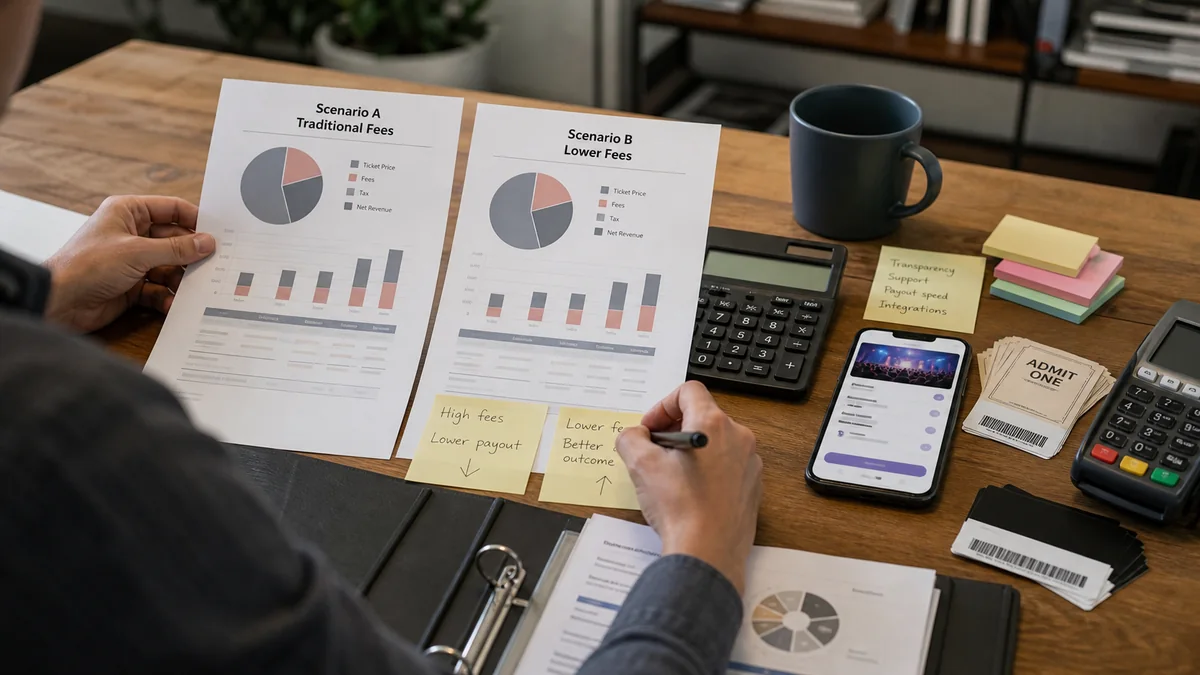
A discount code sent to an audience that was already going to buy at full price simply reduces your margin from those buyers. If your Early Bird tier is selling well and generating strong social proof on its own, opening a separate discount code to the same audience cannibalises revenue without producing incremental sales.
Similarly, a code used too broadly, shared publicly on social media without any audience targeting or scarcity mechanic, functions as a general price reduction with an extra step. The buyer does not feel they received something exclusive because the code is available to everyone. The exclusivity that makes codes effective comes from how they are distributed, not from the existence of the code itself.
Reserve codes for moments where you are trying to activate a specific audience that has not yet purchased, reward a defined group, or convert hesitant buyers with a time-limited reason to act. Use them with a clear expiry or usage limit so the scarcity is genuine. And track every code so the attribution data is complete before the event closes.
What the data from code redemptions tells you
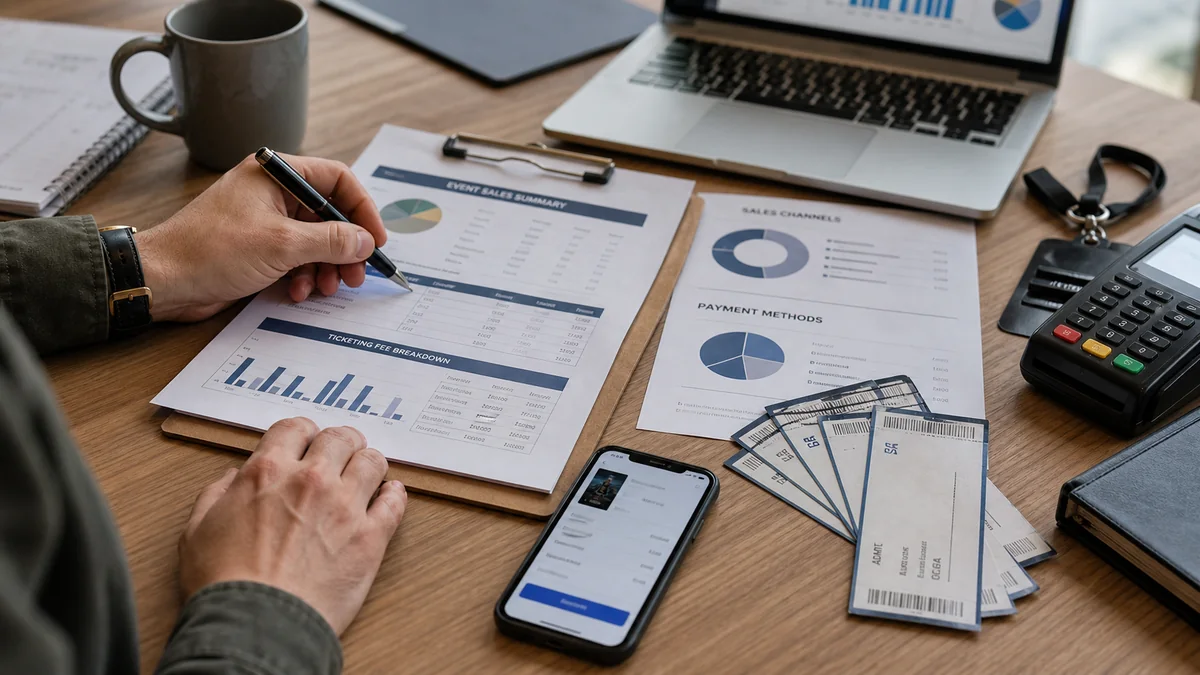
After the event, the code redemption data in your account dashboard shows which codes generated how many purchases and which buyer accounts redeemed each code. For codes distributed through partner channels, this tells you which partner community produced the most sales and the relative efficiency of each relationship. For codes sent to your own email list, it shows the conversion rate of that specific campaign against the segment you targeted.
This data shapes how you allocate codes at the next event. A partner whose code generated a meaningful number of sales is a relationship worth maintaining and deepening. A code that saw very low redemption despite wide distribution suggests either the audience was not well-matched to the event or the code was not positioned compellingly enough. Reviewing this honestly after each event makes the code strategy progressively more efficient across successive events rather than repeating the same broad deployments hoping for better results.
Code naming conventions that keep your attribution clean
A simple but important operational practice: name each code in a way that makes its source obvious without a reference document. A code named after a community, a promoter, or a campaign date is self-explanatory when you review redemptions six weeks after the event. A randomly generated string requires you to maintain a separate lookup table to interpret the data.
For recurring events, use a consistent naming convention across editions so that year-on-year comparisons are straightforward. A community that received a code in year one and returned in year two with the same code structure will generate data that tells you whether that community grew, shrank, or held steady as a ticket source across editions.
Codes for free events and nominal registrations
Discount codes are not only for paid events. For free events where you want to create a sub-tier of acknowledged registrants, a code that unlocks a specific registration type, such as a VIP registration for a free community event or a recognised member registration for an organization event, creates distinction within a free-entry experience without involving any payment.
For nominal registration events where you charge a small amount to reduce no-shows, a code that brings the price to zero for specific attendees, invited guests, speakers, or volunteers, for example, creates a clean record of which attendees were comped and why, without requiring manual adjustments to the attendee list after the fact.
Getting started
Create your event on ShowRave, configure your ticket tiers, and set up your first discount codes before the event goes on sale. Codes created after the launch are still useful but will not capture the first wave of buyers. For partner and community codes specifically, the earlier you activate them and share them with the relevant channels, the more of the sales campaign they can cover. For more on combining codes with affiliate tracking, see our guide onusing coupon codes and affiliate links together.
\n\nThe organizers who use discount codes most effectively are the ones who treat each code as a specific experiment: a defined audience, a defined offer, a defined time window, and a clear post-event check on what it actually produced. Applied with that discipline, codes are not a sign that tickets are struggling. They are a precision tool for reaching the specific audiences that a broadcast promotion cannot efficiently convert.
\n\nSet up your event and configure your first codes at/pricingto review ShowRave's current offering, then start building with codes from day one of your sales campaign rather than after momentum has already stalled. The buyers who receive a code early, when the Early Bird is fresh and the social proof is building, convert at the highest rate of any window in the campaign.