Social media promotion only works if you treat each platform differently
The most common mistake in event promotion on social media is treating every platform the same. The same post, the same image, the same caption, shared everywhere at once. It looks like coverage. It performs like noise.
Each platform has a different audience, a different content format that earns reach, and a different relationship between the person posting and the people seeing it. What converts on Instagram Stories is not what converts in a Facebook Group. What gets traction on TikTok is not what gets traction on LinkedIn. This guide covers what actually works on each, and how to build a campaign that compounds across them rather than just repeating itself.
Instagram: where atmosphere sells the ticket
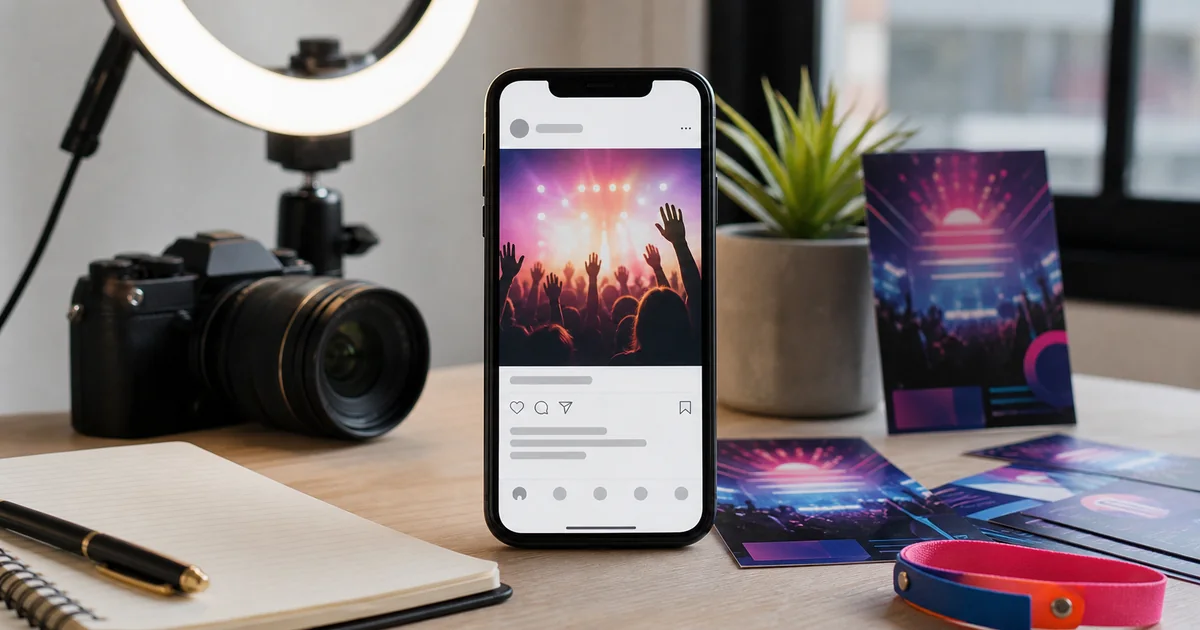
Instagram is a visual medium and event promotion fits it naturally. The challenge is that static graphics of event names and dates perform poorly. What works is atmosphere: images and short video that give a potential attendee a sense of what it feels like to be there.
For feed posts, past event photography consistently outperforms designed graphics. A crowd shot, a performer mid-set, or a well-lit venue at capacity tells a story that a poster cannot. Write captions that speak to the reader directly and include a clear direction to the link in bio.
Stories are your conversion tool. A countdown sticker to the Early Bird deadline, a poll asking "are you coming?", or a swipe-up link to the ticket page during the final push converts significantly better than feed posts alone. Stories disappear in 24 hours and that ephemerality is an asset for urgency, not a limitation.
Reels earn disproportionate organic reach compared to static posts. A 15 to 30 second clip from a previous event, or a behind-the-scenes of setup, is worth more for reach than a week of designed graphics. If you have no previous event footage, a short video walking through the venue or the concept is still more engaging than a static post.
TikTok: the highest organic reach available to small accounts
TikTok is the only major platform where an account with a small following can still reach tens of thousands of people with a single video if the content resonates. For events, this makes it the most valuable channel for top-of-funnel awareness, particularly with younger audiences.
The content that performs is almost always authentic rather than polished. A walk-through of the venue, a time-lapse of setup, a short interview with a performer, or a genuine reaction to the event concept will outperform a produced promotional video. TikTok users specifically distrust content that looks like an advert.
Post frequently in the weeks leading up to the event. Volume matters more on TikTok than on any other platform because each post reaches a fresh audience independently. Direct ticket links in the bio and in video captions give viewers a path to purchase after the awareness is built.
Facebook: still the best channel for community reach
Facebook's organic reach for pages has declined significantly, but two specific features remain genuinely useful for event promotion: Facebook Events and Facebook Groups.
Create a Facebook Event linked to your ShowRave page from the day tickets go live. When someone clicks "Interested" or "Going", that interaction surfaces in their friends' feeds, giving you passive organic reach from a platform that no longer gives it readily. Post updates to the Facebook Event regularly, performer announcements, program additions, attendee milestones, because each update re-enters the feeds of people who engaged with the event listing.
Facebook Groups are where community events actually convert. Identify the groups where your target audience is active, local community groups, interest groups, neighbourhood pages, and post where group rules allow. A single relevant post in a well-targeted local group will often outperform a week of page posts. It feels like a recommendation rather than a promotion, because in that context it essentially is.
LinkedIn: only when the audience is professional
LinkedIn earns its place in an event promotion strategy when the event is professionally relevant: a workshop, seminar, conference, networking event, or industry gathering. For entertainment events, community events, or anything social in nature, LinkedIn is the wrong channel and will produce very little.
When it is the right channel, the framing matters more than the format. Lead with the professional outcome, not the event itself. "A half-day workshop for HR leaders on managing hybrid teams in 2026" is a proposition. "Join us for a great day of learning!" is not. LinkedIn users respond to specific professional value, not warmth. A LinkedIn Event alongside your ShowRave page works similarly to a Facebook Event, creating another surface for organic discovery.
X (formerly Twitter): situational
X performs best for events that are culturally or conversationally driven: live commentary events, sports, politics, media, and tech communities where X is still the active real-time platform. For those events it is genuinely worth being present. For most other event types, the effort-to-return ratio is low compared to Instagram, TikTok, or Facebook.
If you use X for event promotion, keep it conversational. Announcements, short takes about the event topic, and direct engagement with people discussing related subjects outperform broadcast promotional posts.
A content calendar that builds rather than broadcasts
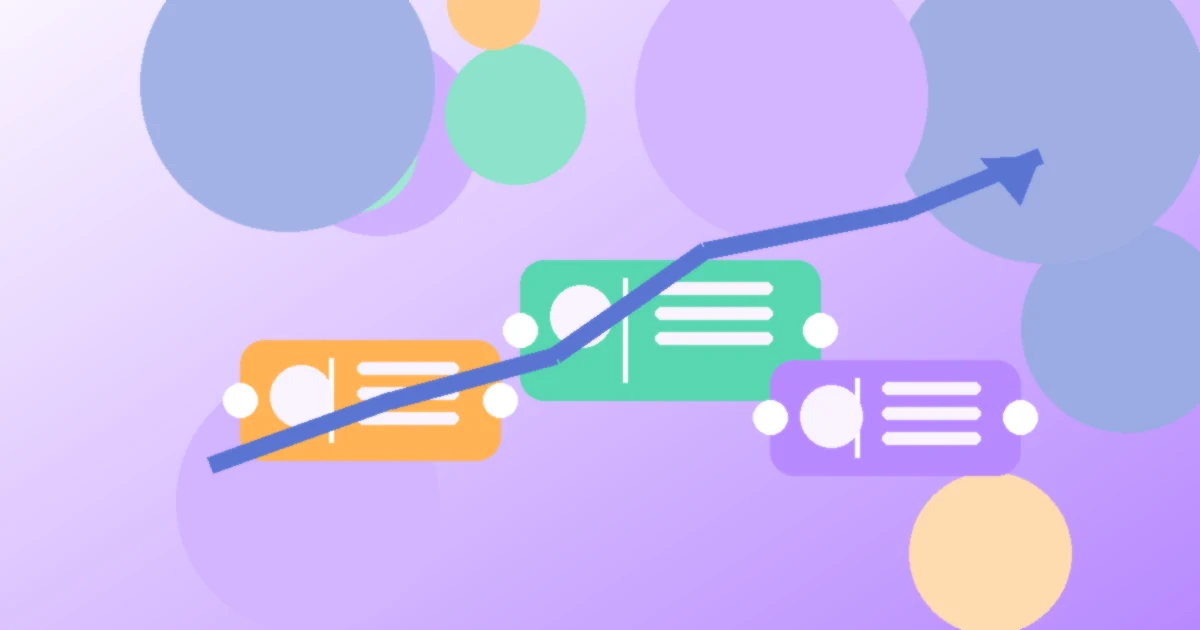
The biggest structural mistake in social media event promotion is treating it as a series of individual announcements rather than a campaign with stages. A well-structured campaign builds over four to six weeks and each phase serves a different purpose.
In the first week, the goal is awareness and Early Bird urgency. Announce the event, share the best visual asset you have, and point directly to the ticket page. The opening push should be your heaviest day of posting across all active channels.
In weeks two and three, the goal is social proof and deepening interest. Share any Early Bird sell-out news. Post performer or speaker reveals if they apply. Share any media coverage or community mentions. Reshare posts from buyers who have already tagged the event. Real people posting about your event is worth more than anything you post yourself.
In the final week, the goal is urgency and logistics. Post the remaining ticket count honestly if it creates real scarcity. Share practical information (venue, timing, what to bring) so that buyers feel prepared. A post that mixes last-chance urgency with practical information serves both the undecided buyer and the confirmed attendee.
Turn your attendees into part of the campaign
The most credible promotion your event can get is from people who are already going. An attendee who posts about buying a ticket, updates their profile picture with your event branding, or shares your event link with their own audience is reaching people you cannot reach through your own channels, and doing it with a level of personal endorsement that no paid promotion replicates.
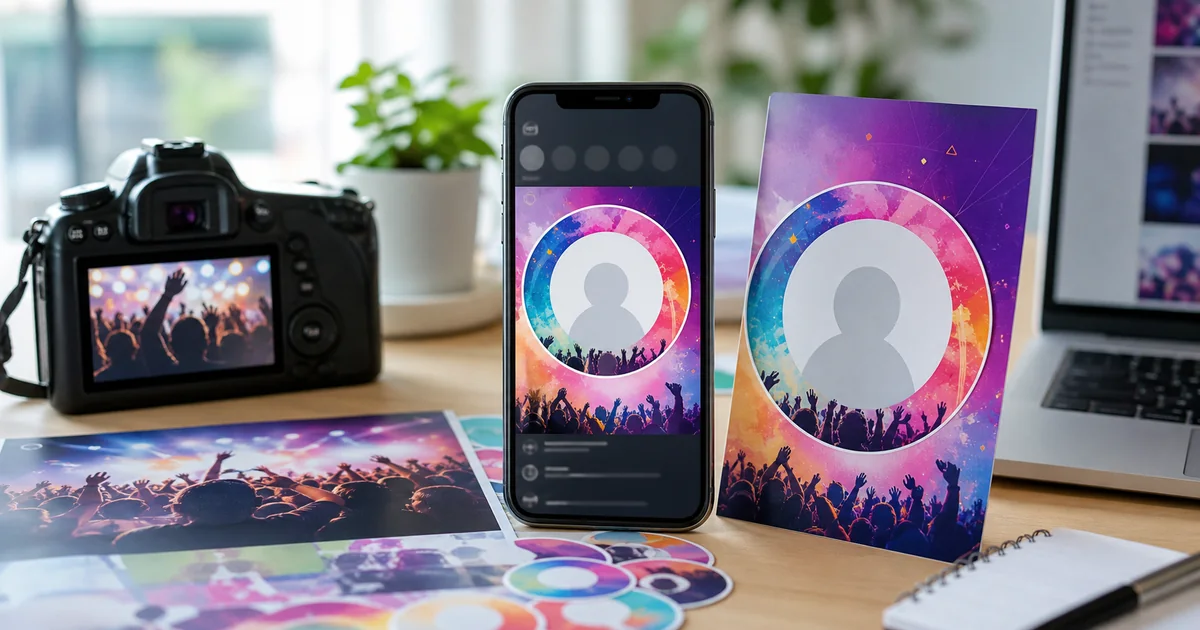
ShowRave's DP Generator lets attendees create a branded profile picture featuring your event artwork. When an attendee updates their Instagram, WhatsApp, or Facebook profile photo with your event's frame, their entire network sees it. The promotion cost is zero. The reach is real. Set up a DP Generator campaign for your event atthe ShowRave DP Generatorand share the link with your buyers as part of your ticket confirmation or pre-event communication.
Affiliate links compound this further. Give your most active community members a unique link that earns them a small commission on every ticket sold through it. The combination of a personal endorsement, a direct financial incentive, and a trackable link turns a handful of engaged regulars into a measurable sales channel.
Paid ads on a small budget
Paid social advertising is not required to run a successful event promotion campaign, but it amplifies what is already working rather than replacing organic effort. The highest-return use of a small paid budget is retargeting: reaching people who have already visited your event page without buying.
Install a Meta Pixel on your event page if you plan to run Facebook or Instagram ads. In the weeks before the event, run a retargeting campaign specifically at page visitors who did not convert. These people already know about your event. The ad just needs to overcome their hesitation or remind them the window is closing. Retargeting converts at a meaningfully higher rate than cold audience advertising because the awareness work is already done.
If you run cold-audience ads, keep targeting tight. Interest targeting, location targeting, and lookalike audiences built from your past buyer list are all more efficient than broad demographic targeting. A small, well-targeted spend will outperform a large budget pointed at the wrong people.